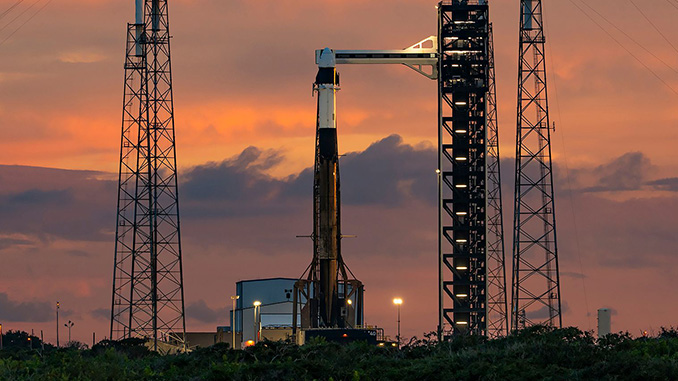
SpaceX targets Cape Canaveral's SLC-40 for Falcon 9 launch
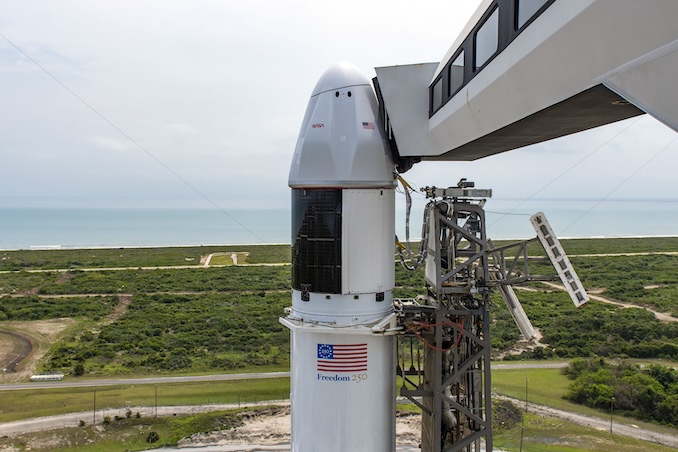
SpaceX was gearing up for another launch attempt of its commercial resupply mission to the International Space Station, with liftoff planned from Space Launch Complex 40 at Cape Canaveral Space Force Station. The window was set for 22:05 UTC on May 15, 2026, with a Falcon 9 rocket carrying a Cargo Dragon spacecraft packed with approximately 6,500 pounds of cargo — a mix of scientific experiments, crew provisions, and station hardware.
The mission, operated under NASA's Commercial Resupply Services contract, marked yet another chapter in SpaceX's now-routine role as a primary logistics provider for low-Earth orbit. The fact that this was described as another attempt suggests a previous launch opportunity had already slipped, though no technical details were immediately confirmed.
Northrop Grumman's Cygnus set an appetizing precedent
Just days before SpaceX's launch window opened, NASA released a lighthearted photograph taken on April 19, 2026, aboard the station. It showed four crew members — NASA astronauts Jack Hathaway, Jessica Meir, and Chris Williams, along with ESA astronaut Sophie Adenot — playing with fresh food items in microgravity. The oranges, apples, and onions floating through the frame had arrived aboard Northrop Grumman's Cygnus XL spacecraft.
The image captures something that tends to get overlooked in technical mission reports: fresh food is not a luxury in orbit, it is a genuine operational and psychological necessity. Extended missions in microgravity take a measurable toll on the human body, and the periodic delivery of perishable provisions is a carefully planned element of crew welfare programs. Northrop Grumman's Cygnus, though it cannot return to Earth and eventually re-enters the atmosphere as a disposal vehicle, plays a meaningful role in sustaining those conditions.
Two providers, one continuous supply chain
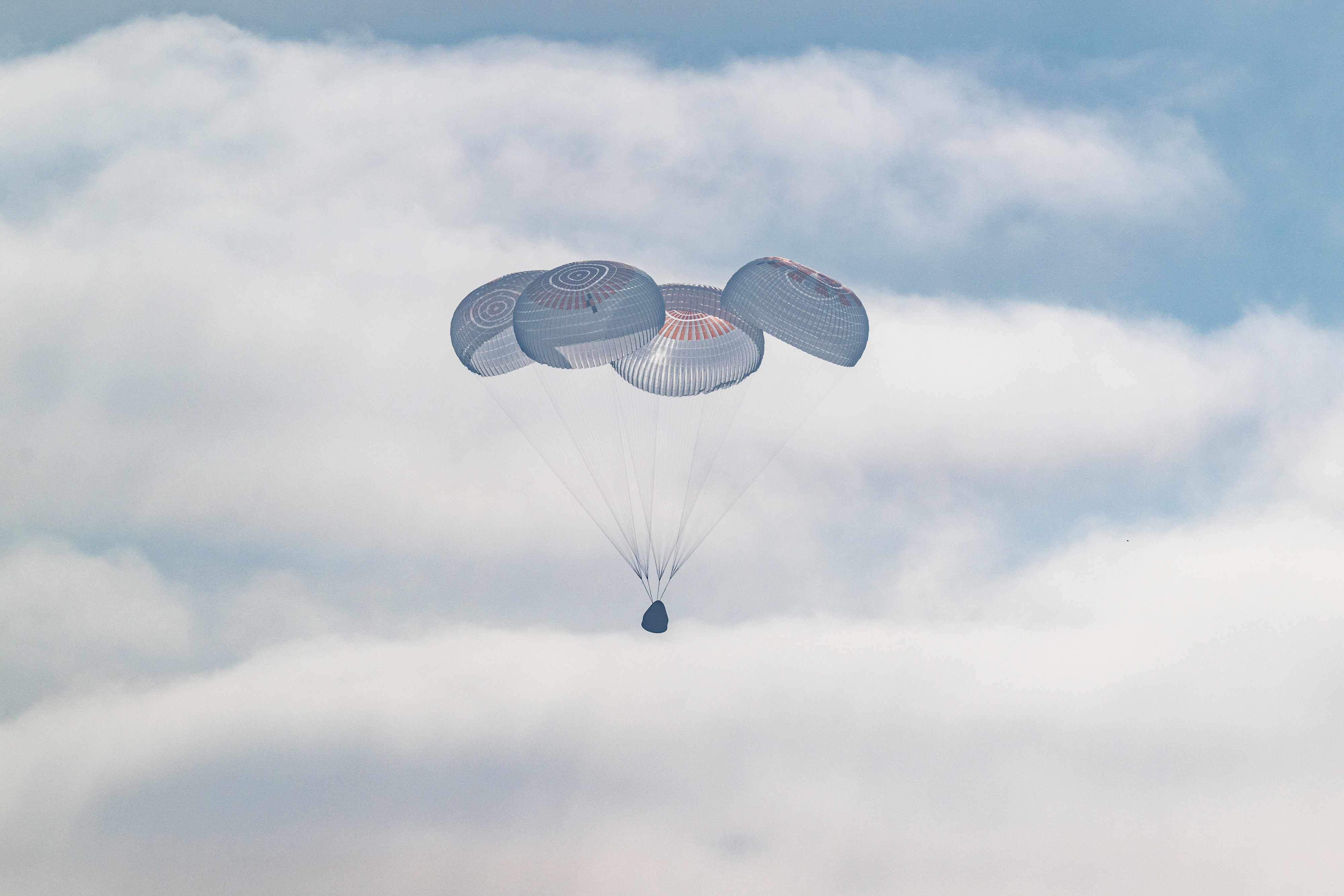
The close timing of these two missions underscores how NASA has structured its ISS resupply strategy around redundancy and complementarity. SpaceX's Dragon and Northrop Grumman's Cygnus serve distinct but overlapping functions. Dragon is reusable and returns to Earth with scientific samples and used equipment. Cygnus is expendable, and doubles as an orbital trash collector before its destructive re-entry.
Together, these two commercial systems form the backbone of a logistics pipeline that has kept humans aboard the ISS continuously for well over two decades. When one vehicle faces a delay — as appears to have been the case with this Dragon mission — the other can help bridge the gap, reducing the risk of any critical shortage on the station.
For NASA and its international partners, the goal is simple in principle and demanding in execution: keep the station running, keep the crew healthy, and keep science moving forward, cargo delivery by cargo delivery.