A milestone measured in tracks and rocky terrain
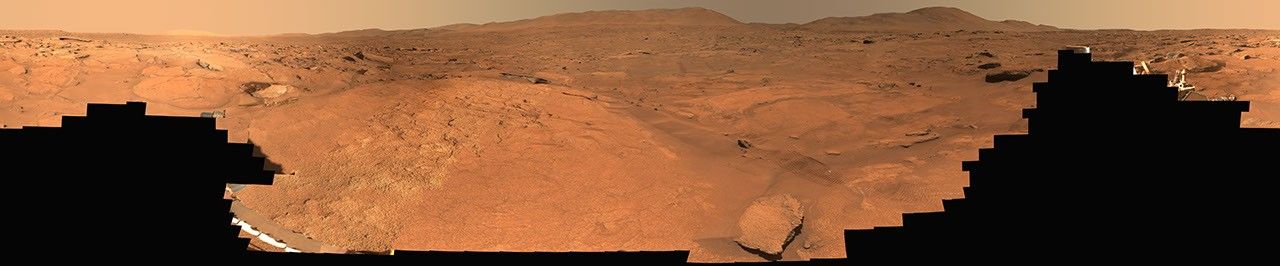
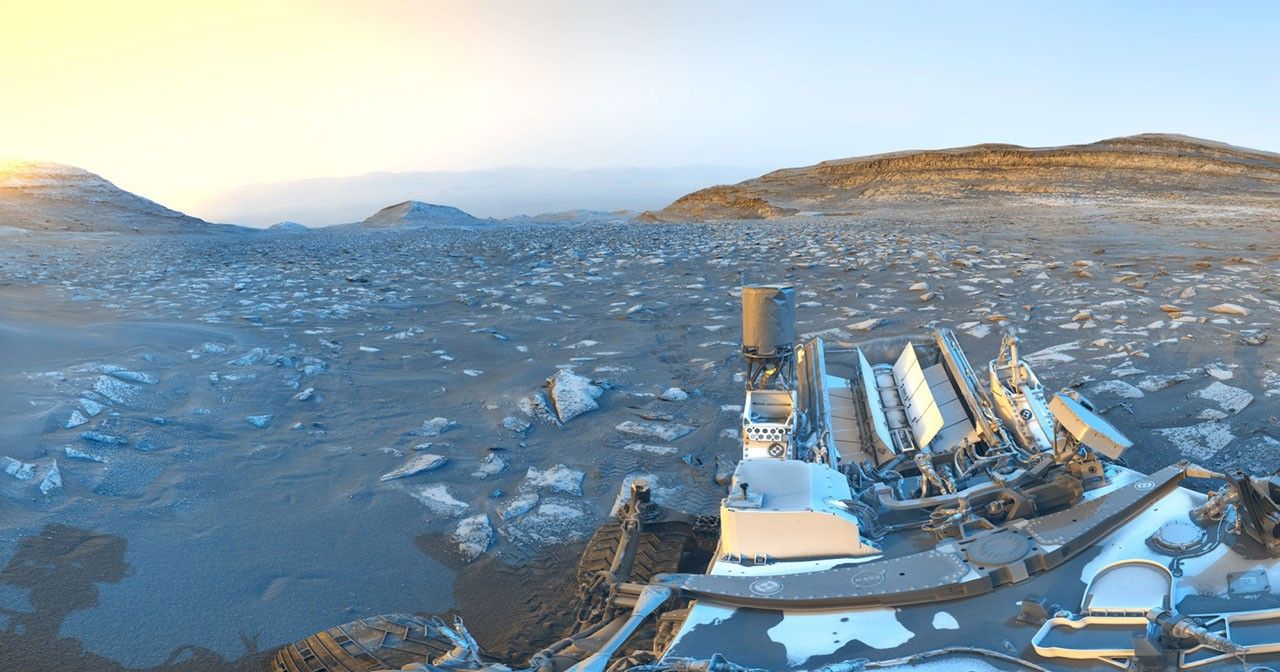
The image is deceptively simple: two parallel wheel tracks stretching across a boulder-strewn Martian landscape, photographed by one of Perseverance's onboard navigation cameras. But the context transforms it into something remarkable. Captured on October 11, 2026 — sol 2,006 of the mission — this frame marked the precise moment NASA's rover pushed its cumulative odometry past a threshold no other vehicle had reached on Mars. The drive that day covered 299.6 feet, or just over 91 meters, enough to tip the total beyond the previous record.
That record did not fall overnight. It accumulated sol by sol, drive by drive, across more than five and a half Earth years of operations managed by the teams at the Jet Propulsion Laboratory (JPL) in Southern California. Every route is planned remotely, every hazard assessed, every wheel turn authorized before the rover moves an inch.
Certificates, engineers, and an Earth-bound twin
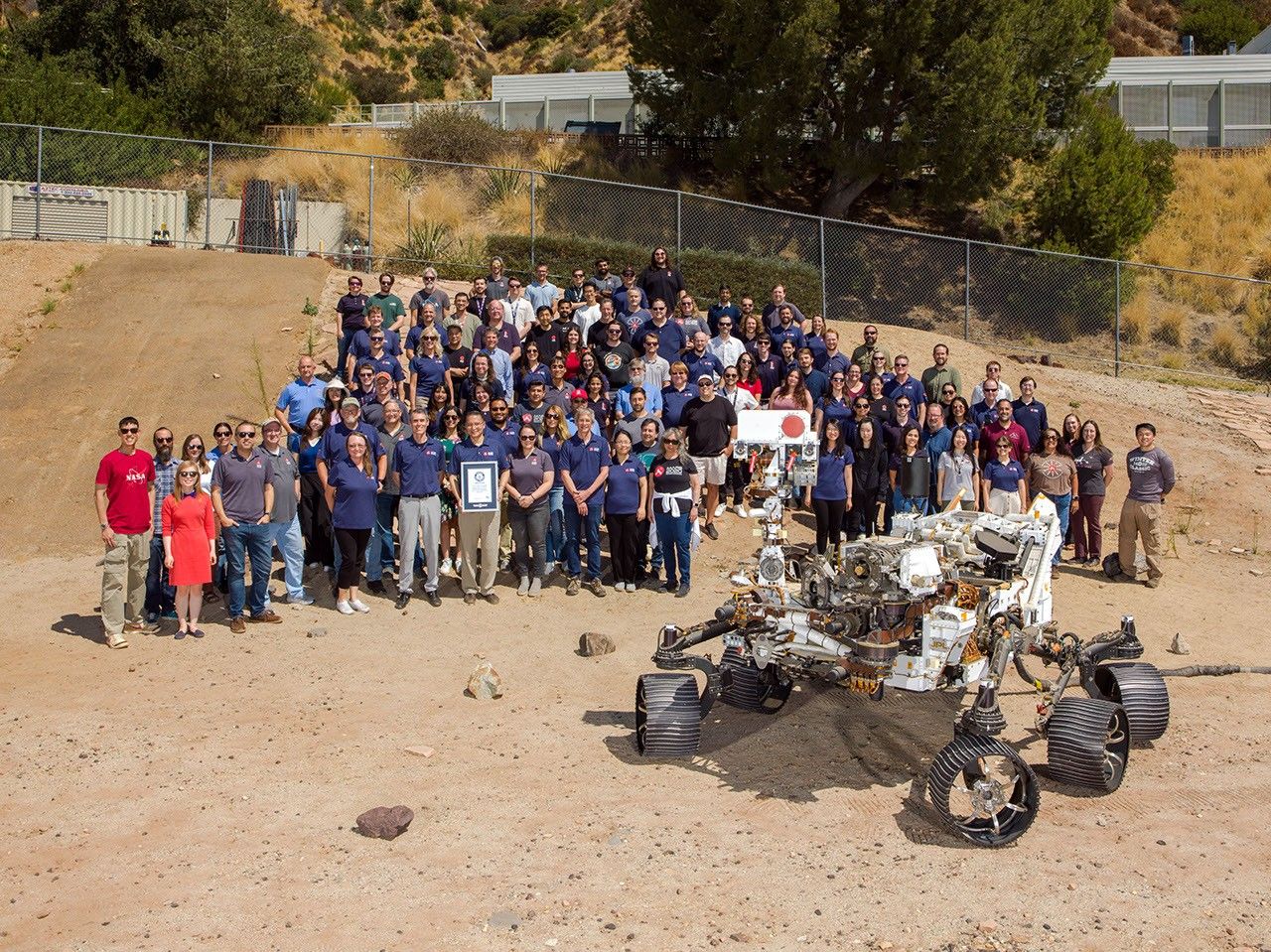
The achievement earned official recognition from Guinness World Records, whose representatives handed a certificate to the Perseverance mission team assembled in JPL's Mars Yard — the outdoor testing ground layered with rocks and sand designed to replicate Martian conditions. Standing in front of the gathered engineers and scientists was OPTIMISM, short for Operational Perseverance Twin for Integration of Mechanisms and Instruments. This full-scale engineering replica of Perseverance serves as the testbed where commands and maneuvers are validated on Earth before being transmitted to the actual rover tens of millions of miles away.
The photograph — humans and their mechanical surrogate, certificate in hand — serves as a reminder that Mars exploration is, at its core, a deeply human endeavor, powered by iteration, caution, and relentless problem-solving.
Beyond the record: what comes next
The bar Perseverance cleared was set by Opportunity, the solar-powered rover that traversed more than 28 miles between 2004 and 2018 before a planet-wide dust storm ended its mission. Perseverance operates on a different energy model: its radioisotope thermoelectric generator draws heat from decaying plutonium, meaning dust accumulation on solar panels is not a factor. Mechanically, the rover could continue driving as long as its wheels, actuators, and electronics hold up — a significant operational advantage.
Distance, however, is only one dimension of the mission. Perseverance carries a full scientific payload and has spent more than two years collecting and caching rock core samples intended for eventual return to Earth under the Mars Sample Return campaign, a joint effort by NASA and the European Space Agency (ESA) still under development. The rover is also investigating the sedimentary geology of Jezero Crater, which scientists believe once held a lake, in search of chemical or physical signs of ancient microbial life.
The distance record is a milestone worth marking. But in the broader arc of what Perseverance is here to do, each new meter of track may matter less than what lies just beneath the surface of the next rock it stops to drill.