Block 3 stopped short on its debut attempt
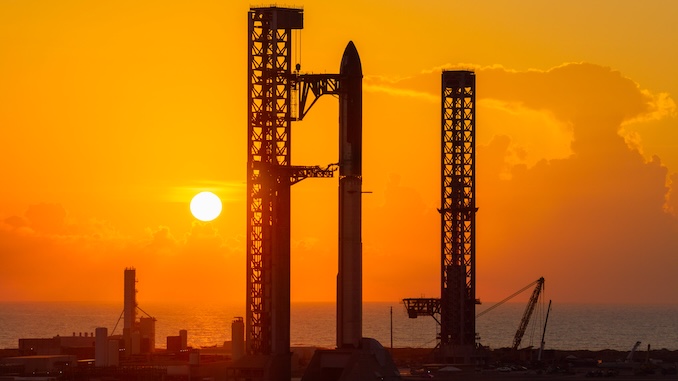
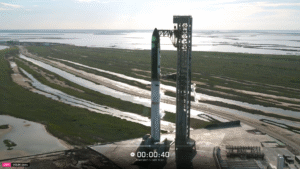
On May 21, 2026, SpaceX came within seconds of lighting up Starship Flight 12 — the first mission to fly the new Block 3 configuration — before a cluster of technical issues forced a scrub with under a minute remaining on the countdown clock. The launch window had opened at 10:30 p.m. UTC from Pad 2 at Starbase, the company's purpose-built facility on the southern tip of Texas. The 33 Raptor engines on the Super Heavy booster never fired.
SpaceX has not publicly detailed what triggered the hold. That restraint fits the company's established pattern: when sensors flag anomalies close to ignition, the decision to stand down is made quickly and without extensive public explanation. A new launch attempt had not been officially announced at the time of publication.
Block 3 represents a meaningful step forward in the Starship development program. The variant features redesigned Raptor engines intended to deliver greater reliability and improved thrust performance. Pad 2 itself was making its operational debut on this flight, adding another variable to an already complex test campaign. It has been roughly seven years since a Raptor engine first ignited on any Starship prototype — a timeline that underscores just how long and iterative the road to an operational vehicle has been.
A financial milestone lands alongside the scrub
The same week, SpaceX took a landmark step in a very different arena. On May 20, 2026, the company filed documents with U.S. securities regulators for an initial public offering of stock. The filing made public, for the first time, detailed financial data about a company that has operated largely out of view of public markets since its founding in 2002.
The disclosure gives investors and analysts a formal look at the economics behind SpaceX's two primary revenue engines: launch services, where it dominates the global market with the Falcon 9 and Falcon Heavy rockets, and Starlink, the low-Earth-orbit broadband constellation that has grown into a significant business in its own right. Rocket Lab and other NewSpace companies have already demonstrated that public listings are viable for private space ventures; SpaceX, long reluctant to go that route, appears to have decided the timing is right.
Two headlines, one company in transition
The juxtaposition of a technical scrub and a Wall Street filing in the same news cycle captures something essential about where SpaceX stands today. On one hand, it remains a deeply experimental organization, still working through the engineering challenges of the most capable launch system ever attempted. On the other, it is positioning itself as a mature financial entity ready to face the scrutiny that comes with public ownership.
Whether Block 3's first flight takes place in days or weeks, its results will carry added weight — not just for engineers evaluating the upgraded hardware, but for the investors now watching the company's every move with a financial stake in mind.