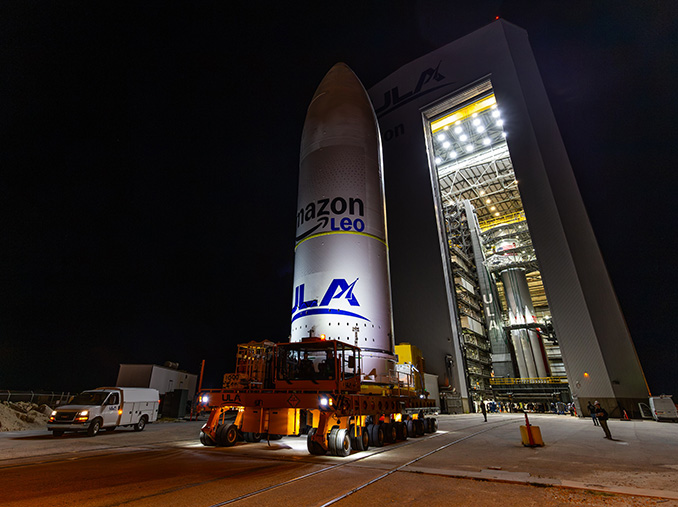
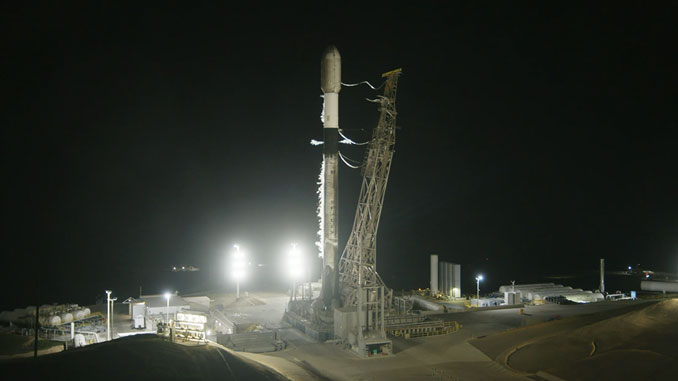
On Sunday, November 16, 2026, United Launch Alliance's Vulcan rocket failed to deliver its payload to the intended orbit. The mission, carrying forty satellites for Amazon's Project Kuiper low-Earth orbit broadband constellation, ended in what ULA officially termed a launch anomaly. By Wednesday, the company had shared its first data-driven assessment with the public.
Fuel Delivery, Not Engine Failure
According to ULA, early analysis of flight telemetry suggests the root cause lies in an inadequate supply of fuel reaching the first stage's BE-4 engines, which are designed and manufactured by Blue Origin. Crucially, this framing distinguishes between the engines themselves — which burn a combination of liquid methane and liquid oxygen — and the upstream propellant delivery system that feeds them. At this stage, the BE-4s are not considered the source of the problem.
That said, the data remains preliminary. Both ULA and Blue Origin have kept detailed technical findings tightly held, limiting what outside observers and even customers can independently assess. Investigators have described the case as complex, and a definitive root cause determination is not expected imminently.
High Stakes for Vulcan and Amazon's Kuiper Timeline
Designated Vulcan Leo 1, this flight was the rocket's first operational commercial mission following two certification flights. The loss of forty satellites represents a material setback for Amazon's Kuiper program, which is racing to meet regulatory deployment milestones and compete directly with SpaceX's Starlink constellation.
Amazon's public response has been carefully worded. The company described ULA as a valued partner and expressed confidence in Vulcan's eventual return to flight — language that signals patience without concealing the pressure. Kuiper's commercial viability depends on sustained launch cadence, and any prolonged grounding of Vulcan will force Amazon to reassess its near-term deployment schedule.
What Comes Next for ULA's Flagship Rocket
Before Vulcan can fly again, ULA must pinpoint exactly where the fuel supply broke down. Was it a flawed component, a design issue in the propellant feed system, or an anomaly isolated to this particular vehicle? Each scenario carries different timelines and remediation requirements.
The stakes extend well beyond Amazon. Vulcan is slated to carry NASA payloads and missions for the U.S. Department of Defense, including the Cert-2 mission already on the manifest. Institutional customers in particular require a clear and credible explanation before they will accept a return-to-flight certification. Vulcan was developed as the long-term replacement for Atlas V — a workhorse with an unblemished record — which makes this early stumble all the more consequential for ULA's market position.
The investigation is ongoing. In an industry where post-anomaly transparency shapes trust as much as technical fixes do, how ULA communicates over the coming weeks will matter as much as the engineering corrections themselves.