Eighty-one passengers aboard a midnight Falcon 9
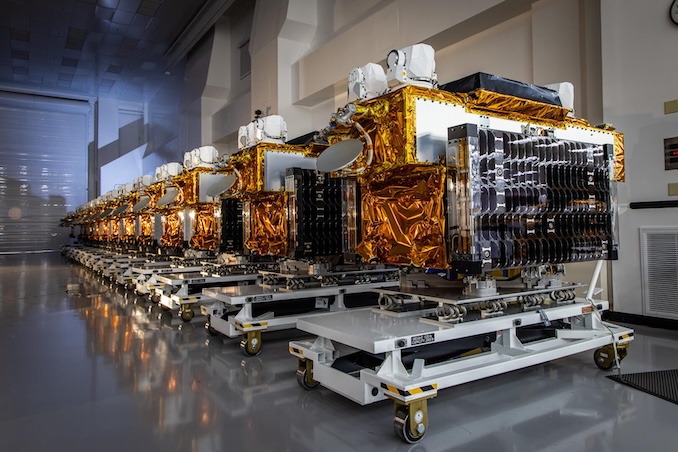
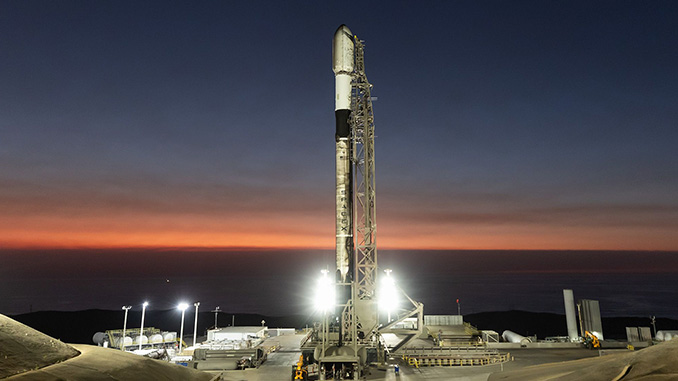
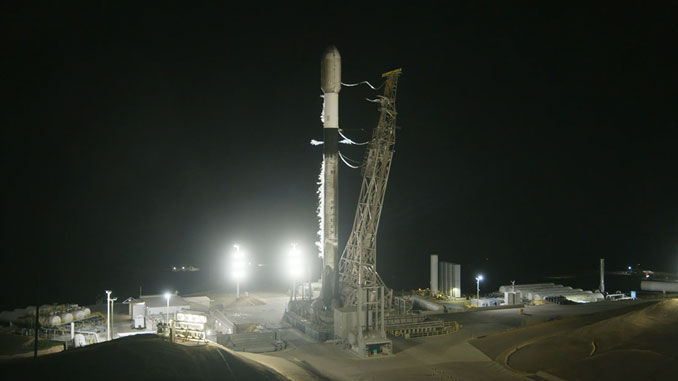
SpaceX opened the week with a Falcon 9 rideshare mission lifting off from Space Launch Complex 4E at Vandenberg Space Force Base in California. The 95-minute launch window opened at 12:10 a.m. PDT on July 7, 2026 — 07:10 UTC — with payload deployment expected to stretch across roughly two and a half hours once on orbit.
The manifest for this Transporter-series flight stands out for its breadth. Among the 81 payloads headed for sun-synchronous orbit are wildfire detection sensors intended for terrestrial monitoring applications, several military technology demonstrators, and microgravity 3D printers designed to operate in the vacuum of space. SpaceX's rideshare program has evolved into one of the most reliable and cost-effective pathways to orbit for operators who don't require a dedicated launch vehicle. The regularity of these flights — multiple Transporter missions per year — has reshaped how smaller institutions and startups plan their space programs.
China and India eyeing historic firsts
Two other milestones are drawing attention this week. China's Long March 10B is slated for its inaugural flight, representing the latest evolution of the heavy-lift Long March 10 family developed by CNSA and the Chinese human spaceflight program. The vehicle is a key element of China's long-term lunar ambitions, intended to eventually support crewed missions beyond low Earth orbit. Precise technical details of this debut remain subject to confirmation as launch operations progress.
Across the Indian Ocean, all eyes are on the maiden flight of Vikram-I, a launch vehicle developed by Hyderabad-based startup Skyroot Aerospace. Should the mission succeed, Skyroot would become one of the first private Indian companies to reach orbit independently of ISRO's infrastructure. Vikram-I features liquid-fueled upper stages — a notable step forward from the solid-propellant Vikram-S, which completed a suborbital flight in late 2022. For India's emerging commercial space sector, a successful orbital insertion would be a landmark moment.
Six orbital launches, one week: the new normal
Six orbital attempts in a single week across multiple continents is no longer remarkable — and that, in itself, is remarkable. Three of those missions belong to SpaceX alone, underscoring how dominant the company has become in global launch cadence. Yet the week's broader significance lies in what the other missions represent: a maturing Chinese heavy-lift architecture and an Indian private sector taking its first real orbital steps.
The launch market of 2026 is defined by this coexistence of scale and ambition. SpaceX provides the industrial backbone of commercial access to orbit. CNSA is methodically assembling the infrastructure for deep-space exploration. And a startup in Hyderabad is quietly trying to join a very short list of private companies that have reached orbit under their own power. Whatever the outcomes, the week ahead will leave a mark on the record books.