A milestone mission and a record-breaking booster
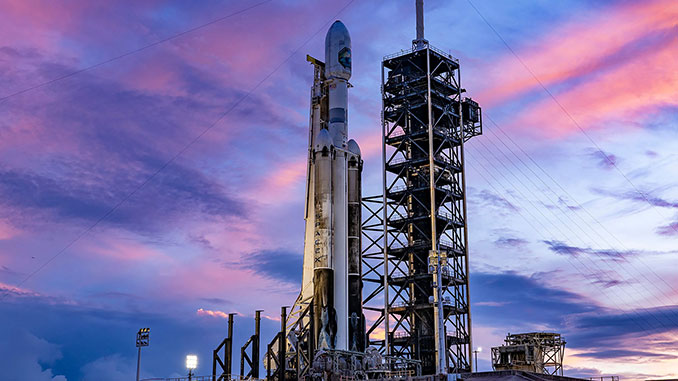
On August 24, SpaceX lifted off from Launch Complex 40 at Cape Canaveral Space Force Station on what turned out to be a doubly significant mission. The Starlink 10-49 flight marked the 100th launch of a Falcon 9 rocket in 2026 alone — a figure that underscores just how thoroughly SpaceX has industrialized access to orbit in a way no other single operator has managed to replicate.
The same mission carried another distinction: the first-stage booster completed its 37th orbital flight, setting a new reusability record for any Falcon-class vehicle. SpaceX has not publicly indicated when this particular booster might be retired, and based on the trajectory of these milestones, there may be no hard ceiling in sight. Each additional flight requires increasingly detailed inspection between missions, but so far the hardware has continued to perform within acceptable parameters.
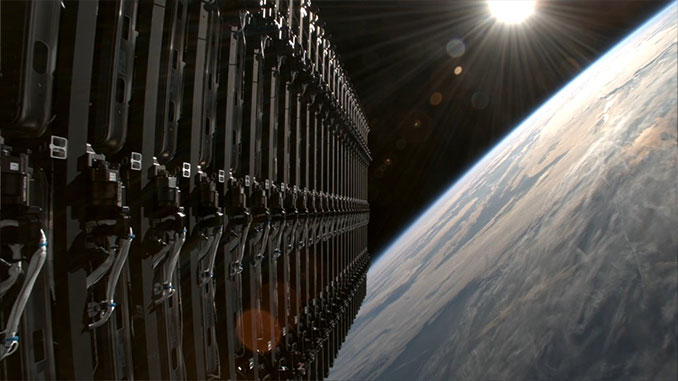
The following morning, another Falcon 9 launched from Vandenberg Space Force Base on a south-easterly trajectory, carrying 27 Starlink satellites to their operational orbit. Liftoff was scheduled for 2:34 a.m. Pacific time — a predawn window driven purely by orbital mechanics, and a reminder that SpaceX's ground teams operate on a schedule that rarely respects conventional working hours.
Falcon Heavy and the Roman Space Telescope
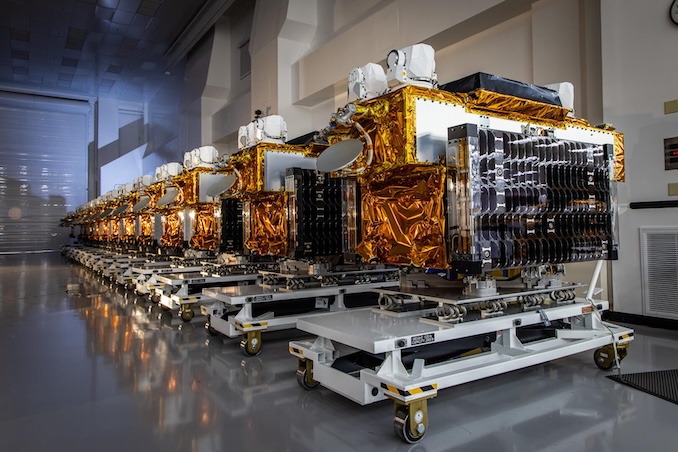
Running alongside the steady drumbeat of Starlink missions, the week also featured the anticipated launch of NASA's Nancy Grace Roman Space Telescope aboard a Falcon Heavy. The Roman telescope is one of the most consequential astrophysics payloads of the current decade, designed to conduct wide-field surveys of the cosmos, probe the nature of dark energy, and search for exoplanets using gravitational microlensing techniques.
The Falcon Heavy — SpaceX's triple-booster configuration derived from the Falcon 9 core — remains one of the few commercially available launch vehicles capable of delivering such a payload to its required orbit. This mission placed SpaceX at the center of a particularly active week for orbital launches globally, with five separate missions departing from the United States, China, and French Guiana, where Arianespace operates from the Guiana Space Centre.
What this cadence actually means
One hundred launches in under eight months from a single rocket family operated by a single private company is a figure worth pausing on. No other launch provider — not Rocket Lab, not Arianespace, not ISRO, not JAXA, not CNSA — comes close to that individual output over the same period.
The operational architecture behind this cadence rests on several interlocking factors: standardized turnaround procedures between flights, simultaneous pad availability on both the East and West coasts of the United States, and a rotating fleet of flight-proven boosters large enough to sustain the pace without bottlenecks.
What remains an open question is how much further this model can scale. A booster completing its 37th flight pushes well beyond what was considered prudent engineering practice just a few years ago. Each additional cycle adds complexity to post-flight inspections and narrows the margin for error. Whether the limiting factor will ultimately be hardware fatigue, regulatory scrutiny, or market demand is something the industry is watching closely — and the answer may emerge sooner than expected.