A ground-up rebuild at Boca Chica
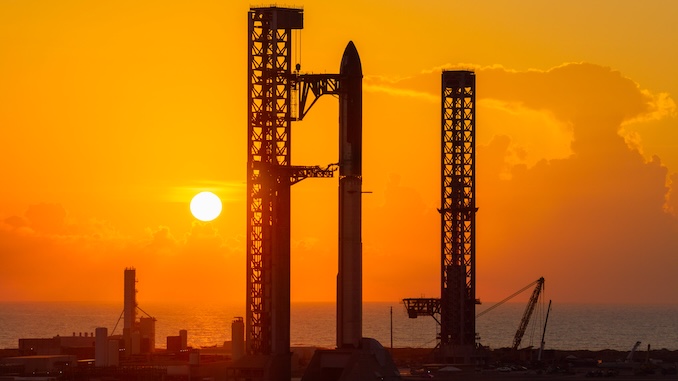
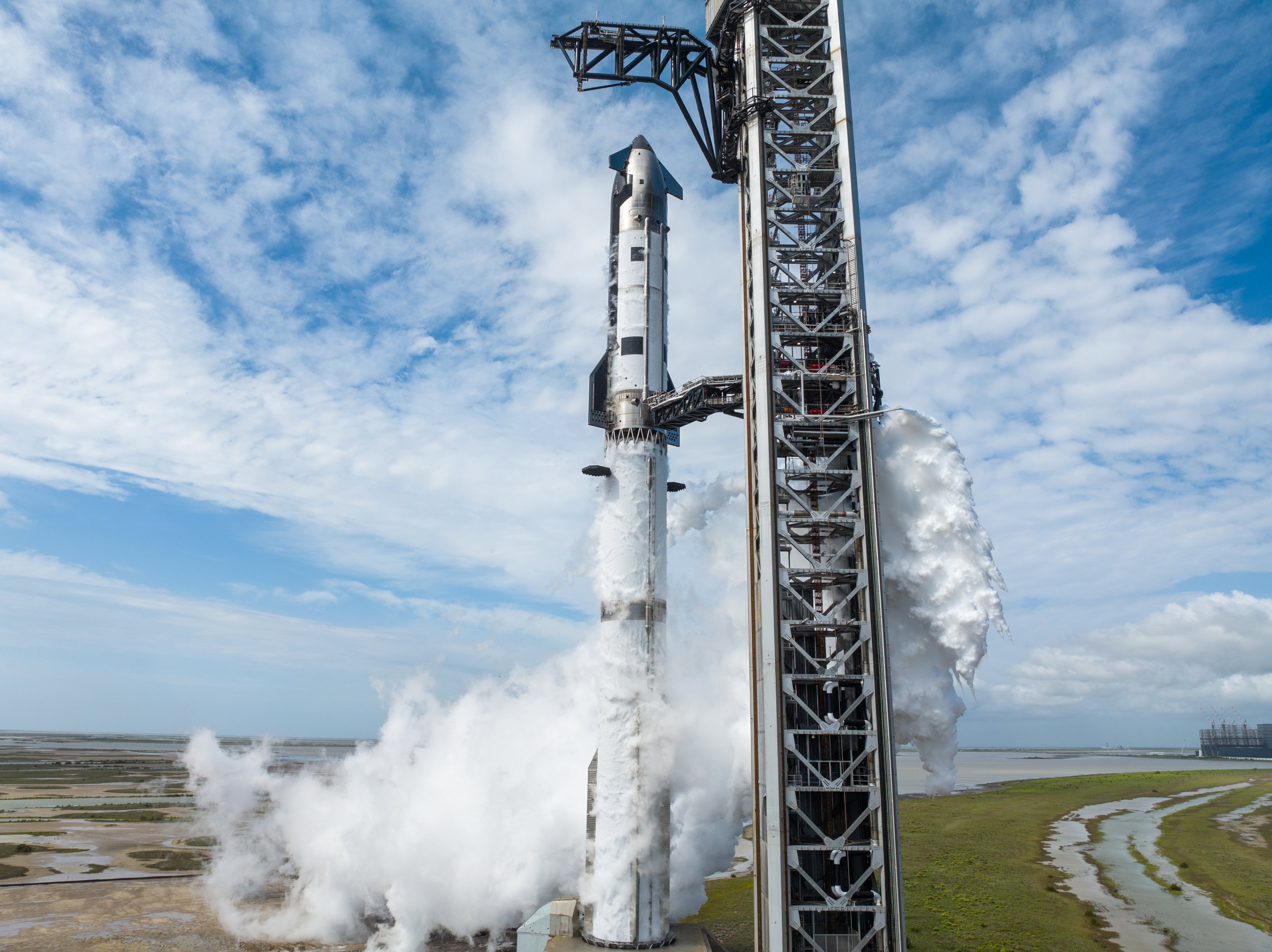
For the better part of two years, SpaceX has been constructing an entirely new launch facility at its Starbase site in South Texas. The redesigned pad is not a patch on what came before — it represents a deliberate shift toward the kind of infrastructure required if Starship is ever to fly at anything approaching an operational tempo. Engineers have overhauled the water deluge system, the ground support arms, and the booster catch mechanism that drew widespread attention during earlier flights. The goal is a facility that can turn around hardware faster between missions, a prerequisite for the high-frequency launch model SpaceX has long described.
Flight 12 will be the first full Starship stack to lift off from this reconfigured complex, which introduces its own layer of uncertainty into an already demanding test campaign.
Ship 35 brings meaningful hardware changes
The upper stage assigned to this flight — Ship 35 — carries a range of modifications relative to its predecessors. The Starship second stage has been in near-continuous development since the SN8 prototype conducted the program's first high-altitude hop in late 2020. Each iteration has addressed aerodynamic behavior, heat shield performance, engine configuration, and propellant systems. For Flight 12, observable changes to the vehicle's profile suggest reworked reentry flap geometry and further refinements to the thermal protection tiles, both of which proved problematic on earlier missions.
SpaceX has not issued a comprehensive technical briefing on the specific changes incorporated into Ship 35, which is consistent with how the company typically handles iterative development. Nonetheless, documentation shared by ground observers and pre-launch imagery points to a vehicle that differs noticeably from what flew on Flight 11.
The stakes extend well beyond SpaceX
Flight 12 arrives at a moment of genuine urgency for the broader US space enterprise. NASA has selected Starship as the Human Landing System for Artemis crewed lunar missions, and repeated schedule slippages have already pushed the agency's lunar surface timeline further into the decade. Both government and commercial customers — satellite operators, defense agencies, and international partners — are watching closely to determine whether SpaceX can demonstrate the consistency its contracts implicitly require.
The sentiment circulating among those close to the program is candid: the highs are high, the lows are low — an honest assessment of a development effort that has produced both striking successes and hard failures in quick succession. Flight 12 needs to do more than generate dramatic footage. It needs to show that Starship is closing in on reliable, repeatable performance. An official launch date has not been confirmed as of this writing, but ground operations suggest the attempt is not far off.