A countdown that stopped just short
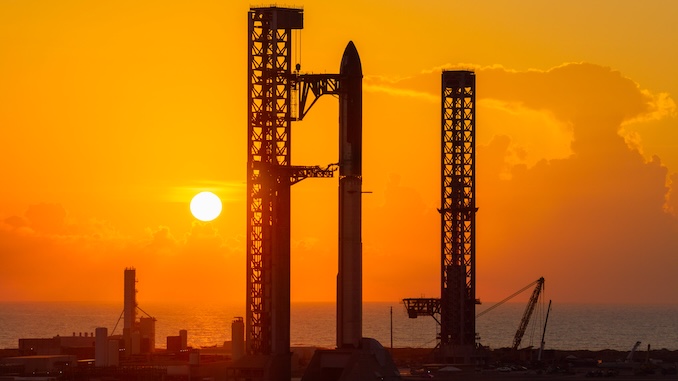
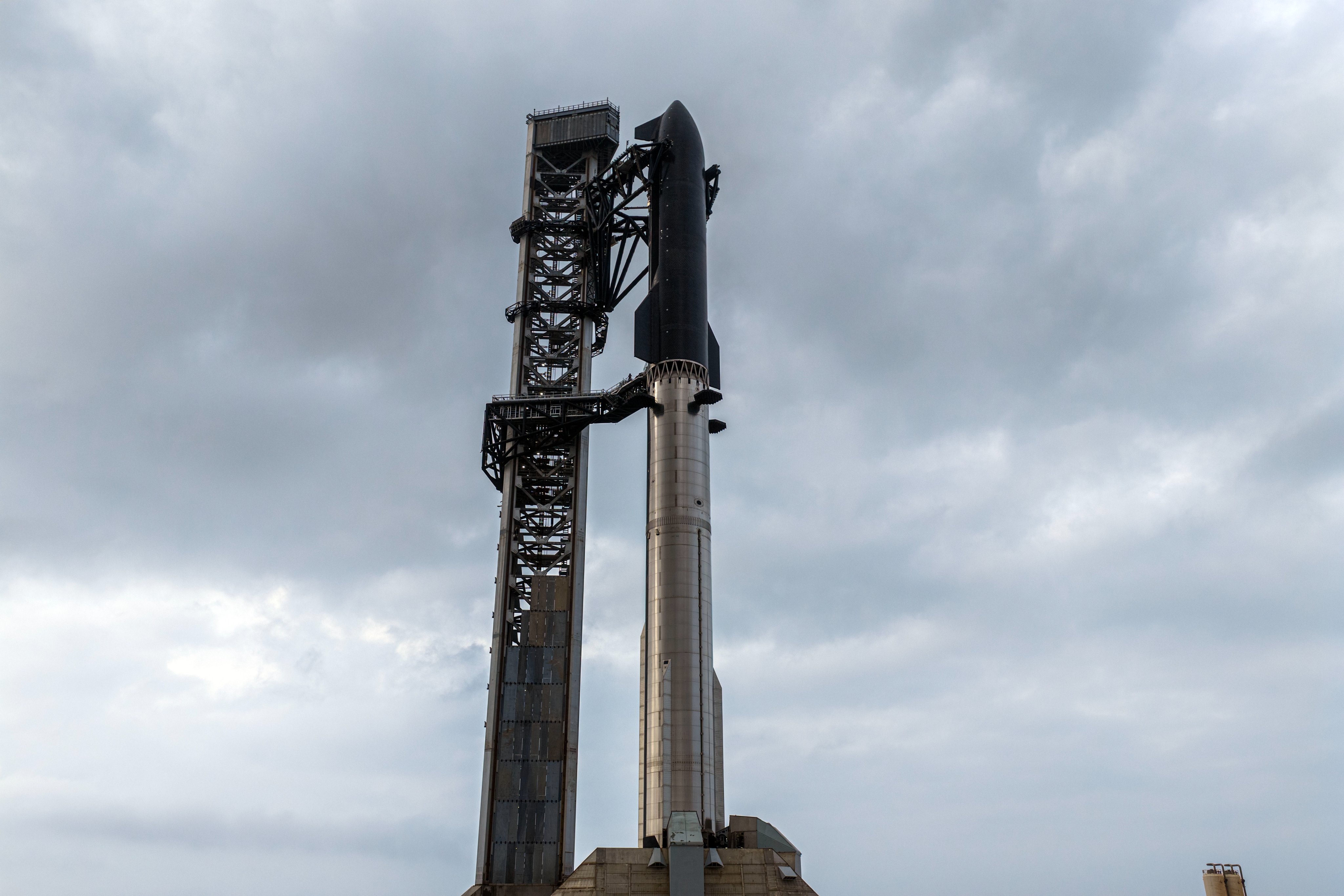
On the evening of May 21, 2026, launch pad 2 at Starbase in South Texas was the focal point for the global space community. SpaceX had been counting down toward the first test flight of Starship Version 3, the most extensively upgraded iteration of its fully reusable launch system to date. The launch window opened at 10:30 p.m. EDT, and the countdown had progressed far enough to raise genuine expectations of a liftoff that night.
With less than sixty seconds remaining on the clock, the sequence was halted. SpaceX attributed the scrub to a problem with ground support equipment, though the company did not immediately disclose the precise nature of the fault. Standard safety procedures were followed, and neither the vehicle nor any ground infrastructure suffered damage as a result of the abort.
What sets Version 3 apart
The aborted attempt would have marked the operational debut of a substantially revised vehicle. Chief among the changes are redesigned Raptor engines, engineered to deliver higher thrust and improved reliability across the ascent profile. Both the Super Heavy booster and the upper-stage Starship have also undergone structural and avionics refinements aimed at supporting a higher launch cadence.
That cadence is no small ambition. SpaceX is under mounting pressure to demonstrate that Starship can fly frequently and dependably. NASA's Artemis program, which has contracted SpaceX to provide a crewed lunar lander based on Starship, represents one of the most visible deadlines shaping the company's test schedule. Each delay carries programmatic weight well beyond SpaceX itself.
The broader commercial stakes for SpaceX
Recent financial disclosures circulated by SpaceX make plain how central Starship is to the company's long-term commercial strategy. The vehicle is positioned not merely as a technology demonstrator but as the backbone of future high-volume launch services, covering low Earth orbit missions, lunar cargo and crew transport, and eventual Mars surface operations.
The economic case rests on the premise that a fully and rapidly reusable heavy-lift vehicle can reduce the cost per kilogram to orbit by an order of magnitude compared with existing launchers. That premise, however, hinges entirely on proving consistent operational performance — which is precisely what the ongoing test campaign is designed to establish.
No revised launch date had been announced at the time of publication. SpaceX is expected to review countdown telemetry and ground system data before committing to a new window. At this stage of the Starship program, every flight attempt carries significant weight, and even a routine-looking scrub is a reminder that the path to full operational status remains a work in progress.