A homecoming at Huntsville
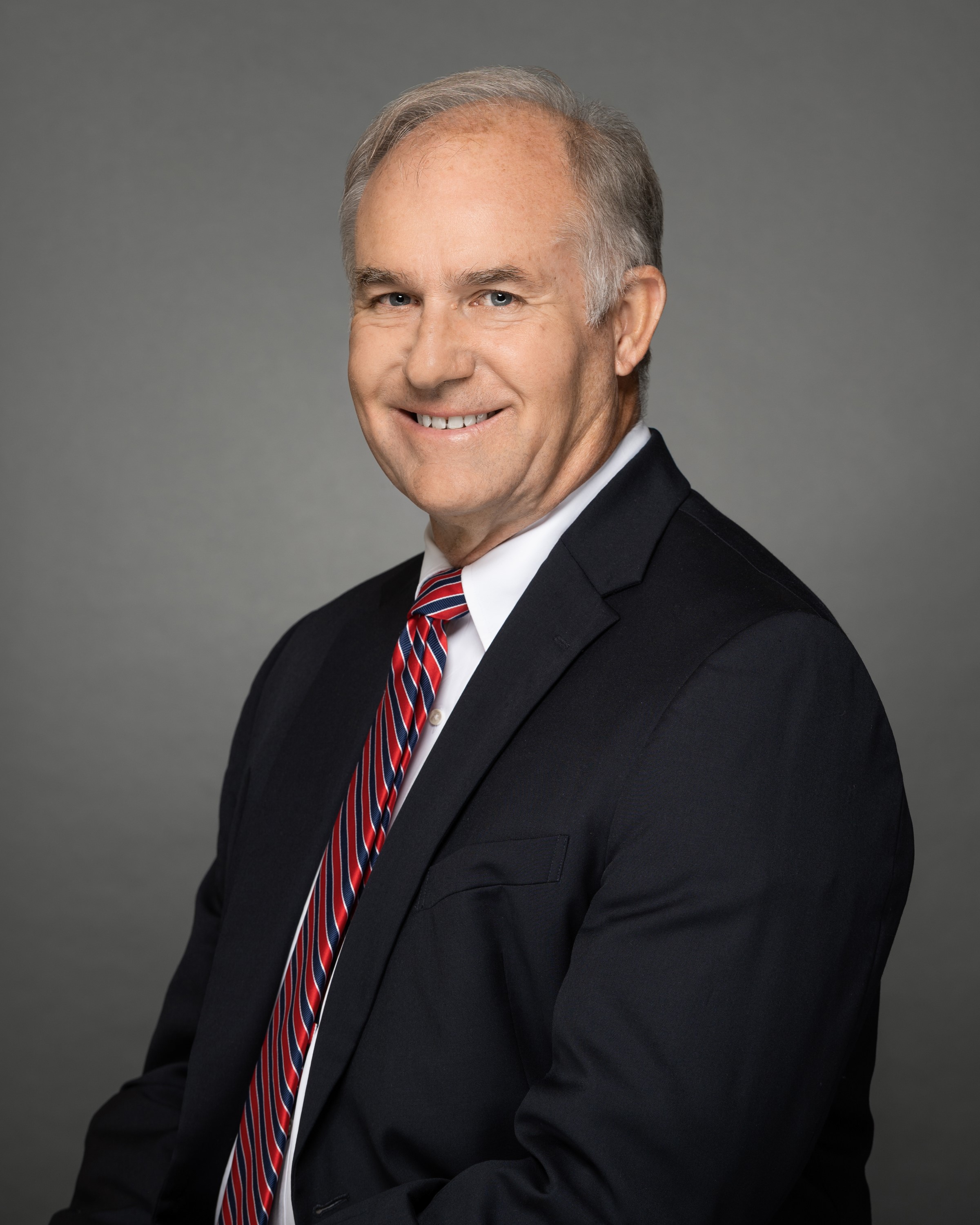
NASA's Marshall Space Flight Center has a new director. Administrator Jared Isaacman announced the appointment of Stephen Cash to head the Huntsville, Alabama facility, with the role taking effect on Monday, October 19. The choice carries considerable symbolic weight: Cash first walked through Marshall's doors as a young engineer more than forty years ago, building a career that would eventually take him through senior positions across both the public and private aerospace sectors before bringing him back to where it all began.
With a background spanning hands-on engineering and executive leadership, Cash represents a profile that NASA has increasingly sought as it navigates a complex operational landscape — one where institutional knowledge, industry relationships, and technical credibility all matter. His appointment is widely read internally as a signal of stability rather than disruption, with leadership continuity seen as a priority at a moment when the center's workload is substantial.
Marshall's central role in NASA's current programs
Marshall is no peripheral outpost in NASA's infrastructure. The center has been synonymous with propulsion development since the era of the Saturn V engines that powered the Apollo missions, and it carried that legacy through the Space Shuttle program. Today, Marshall sits at the heart of several of the agency's most critical ongoing efforts, including the Space Launch System (SLS), advanced propulsion research, and a range of payload and science mission support activities.
With the Artemis program still working through its timeline — and with each technical or organizational delay carrying downstream consequences — stable, experienced leadership at Marshall is not a secondary concern. Cash's appointment is intended to ensure that the center's teams remain focused and that its contributions to the broader lunar exploration architecture stay on track.
Sustainability and governance: the broader picture
Cash's nomination comes at a moment when the space industry as a whole is grappling with questions that go well beyond rocket performance. The European Space Agency has recently renewed its public commitment to more sustainable space operations, addressing issues such as orbital debris mitigation, responsible satellite end-of-life practices, and reducing the environmental footprint of launch activities. ESA's position reflects a growing consensus across agencies and commercial operators that long-term access to space depends on responsible behavior now.
Taken together, these two developments — a leadership transition at a major NASA center, and a European agency doubling down on sustainability commitments — point to the same underlying shift in how the global space community operates. Technical achievement remains essential, but the decisions made in boardrooms and policy offices are increasingly shaping the trajectory of space exploration just as decisively as anything that happens on a launchpad.