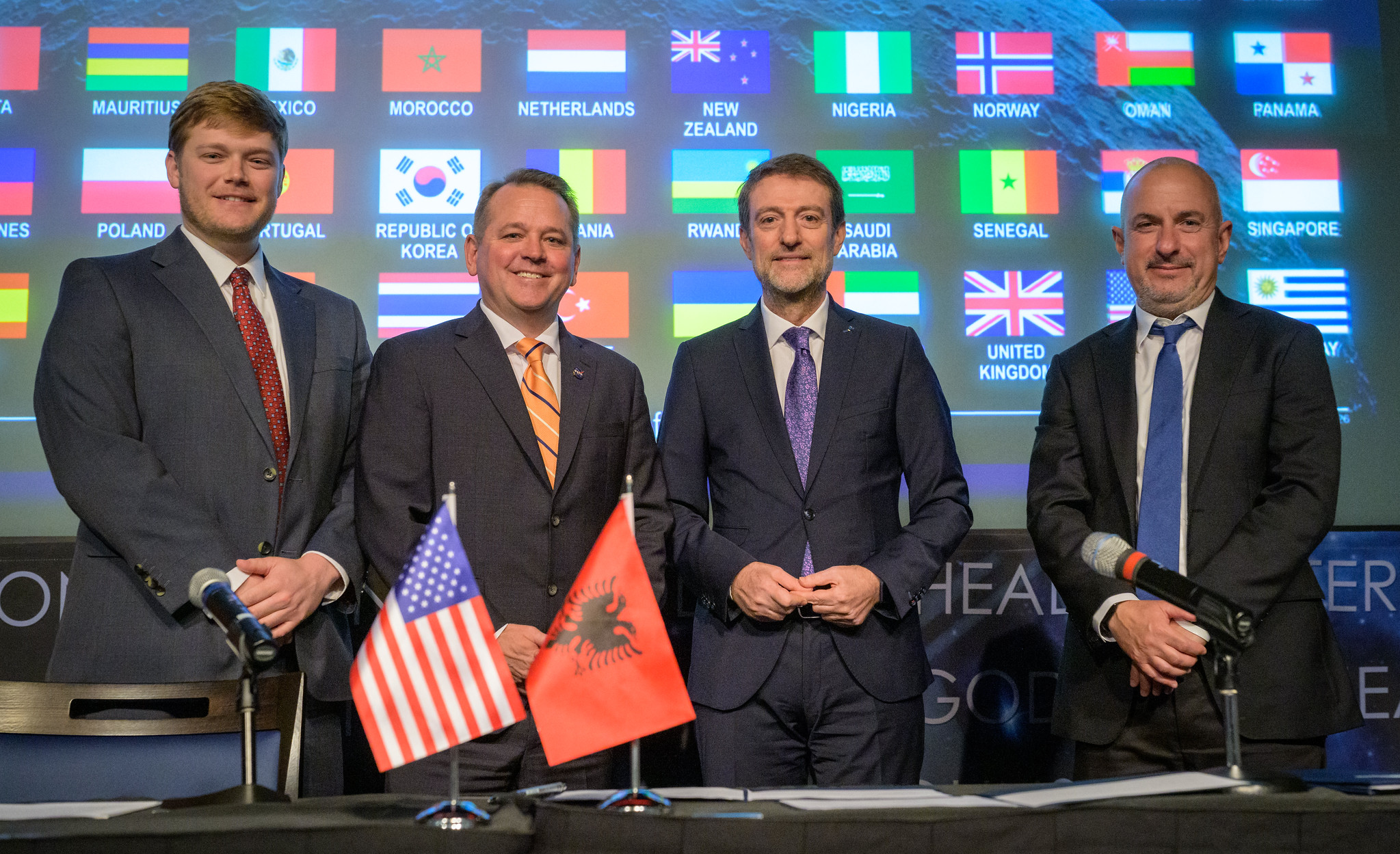
NASA confirmed on Friday, May 8 that Brian Hughes will rejoin the agency as senior director of launch operations. Working out of Kennedy Space Center in Florida and reporting directly to NASA Headquarters in Washington, Hughes will oversee the agency's launch infrastructure at both Kennedy and the Wallops Flight Facility in Virginia.
A career that bridges politics and space operations
Hughes brings an unconventional background to the role. He previously served as NASA's Chief of Staff for several months in 2025, and before that led the Florida operations of Donald Trump's 2024 presidential campaign. His return to the agency reflects a pattern that has become more visible under the current administration: political operatives moving into senior positions within the federal space establishment.
In his new capacity, Hughes will be responsible for enterprise-level strategic direction, operational coordination across launch sites, and the oversight of critical infrastructure that underpins the agency's ability to execute its missions. The scope of the role is significant: it encompasses not only NASA's own launch cadence but also the management of facilities shared with or leased by commercial operators.
Two sites, complementary missions
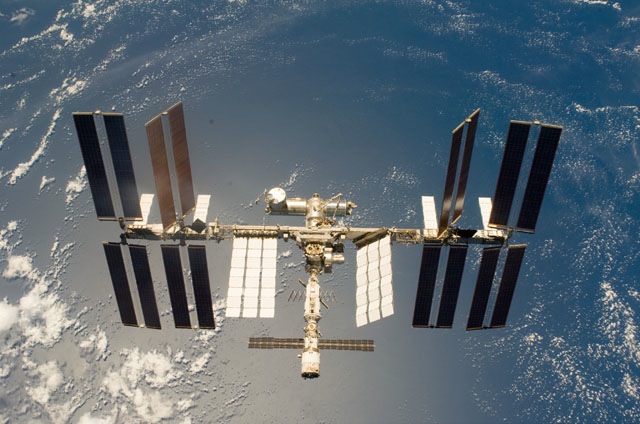
Kennedy Space Center has been NASA's flagship launch hub for decades. Its pads support the agency's most prominent missions and have increasingly become home to commercial launches — SpaceX, for instance, operates Launch Complex 39A from the site. Wallops, situated on Virginia's Eastern Shore, serves a different but equally important function: it handles small-to-medium payload launches and hosts Northrop Grumman's Cygnus cargo missions to the International Space Station.
Bringing both facilities under a single director reflects a broader push for administrative efficiency at a time when NASA is navigating significant budget pressures and programmatic uncertainty. A unified voice for launch operations could streamline decisions about infrastructure investment and scheduling, particularly as demand from both government and commercial customers continues to grow.
NASA in transition
The appointment fits into a wider reshaping of NASA's leadership structure that has unfolded since early 2025. Multiple senior roles have turned over, and the agency is managing competing demands: sustaining the Artemis lunar program, preparing for eventual crewed missions toward Mars, and holding its position in an increasingly competitive international environment where China's CNSA has been steadily expanding its capabilities.
Hughes's technical background in launch operations has not been detailed in NASA's announcement, and his profile remains primarily political rather than engineering-focused. Whether that translates into effective leadership of the agency's most operationally intensive facilities will depend on how well he can work with — and advocate for — the experienced technical workforce at Kennedy and Wallops. NASA has not indicated a target date for him to formally assume the position.