Two firsts in a single flight
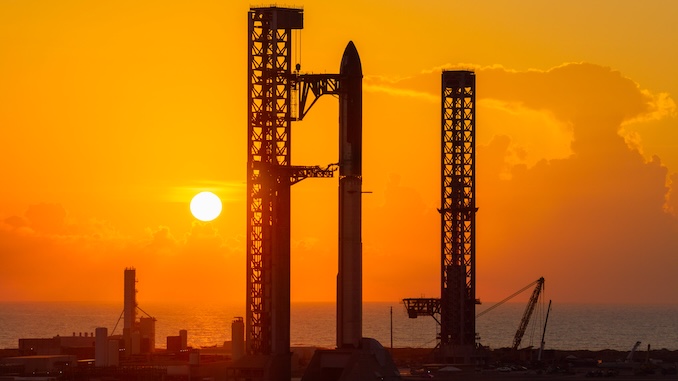
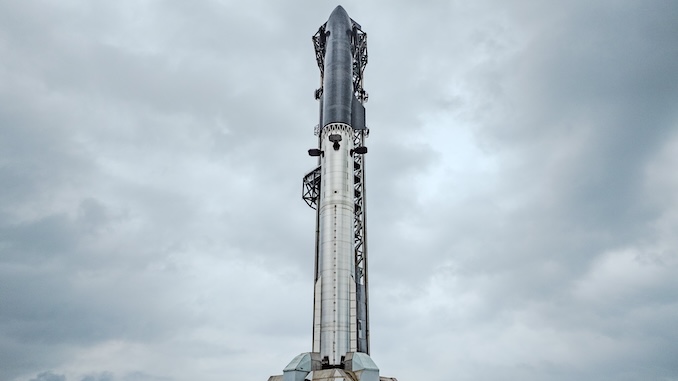
SpaceX has set its sights on May 19, 2026 for the tenth integrated flight test of its Starship system. The attempt is notable on two fronts: it will be the first flight of Version 3 hardware — covering both the Super Heavy booster and the upper-stage Starship vehicle — and the first launch ever attempted from Launch Pad 2 at the Starbase facility in South Texas. Neither element has flown before, making this mission as much an infrastructure qualification exercise as a vehicle test.
SpaceX has not disclosed the full scope of changes introduced in Version 3, but updates are understood to span the vehicle's structure, propulsion systems, and ground support equipment. The broader purpose is clear: bring Starship closer to the operational readiness required to support NASA's Artemis 3 lunar landing mission, currently scheduled for 2027, for which Starship has been selected as the human landing system.
Thirty-three engines, full thrust, full duration
The path to this launch began on May 7, 2026, when Booster 19 completed a full-duration static fire with all thirty-three Raptor engines running simultaneously at full thrust. The test, conducted at Starbase, provided SpaceX with a comprehensive data set on propulsion performance under near-launch conditions while keeping the hardware safely on the ground. A clean static fire is typically the last major hurdle before a booster is cleared for flight.
Shortly after, Ship 39 — the upper stage that will stack atop Booster 19 — began preparations for its rollout to Launch Pad 2. The transfer was set to be followed by a series of integrated checkouts and, if all systems pass, the full vehicle stack would be assembled ahead of the launch attempt.
A high-stakes milestone in a crowded launch week
The Starship attempt falls within an exceptionally busy stretch of global launch activity. Manifests published in mid-May pointed to as many as nine orbital attempts across American and Chinese launch sites in the span of a single week — a figure that reflects the accelerating pace of the commercial and institutional space sector worldwide.
For SpaceX, however, the May 19 flight carries weight that goes well beyond a routine flight test. Each Starship mission refines booster catch procedures at the launch tower's mechanical arms, stress-tests the vehicle's thermal protection system during reentry, and generates the certification data needed before crewed operations can begin. NASA is watching closely: the agency's lunar timeline is directly tied to Starship's readiness, and any sustained delay in the flight test program could ripple through the Artemis schedule.
Launch Pad 2 itself is under scrutiny. The new pad must prove it can handle the thermal and acoustic loads of a Starship liftoff — information that will directly inform pad maintenance intervals and turnaround planning for future high-cadence operations. SpaceX has not issued a firm launch commit, and a slip remains possible, as is standard practice at this stage of pre-launch processing. But with the static fire behind it and Ship 39 on the move, the program appears to be tracking on schedule.