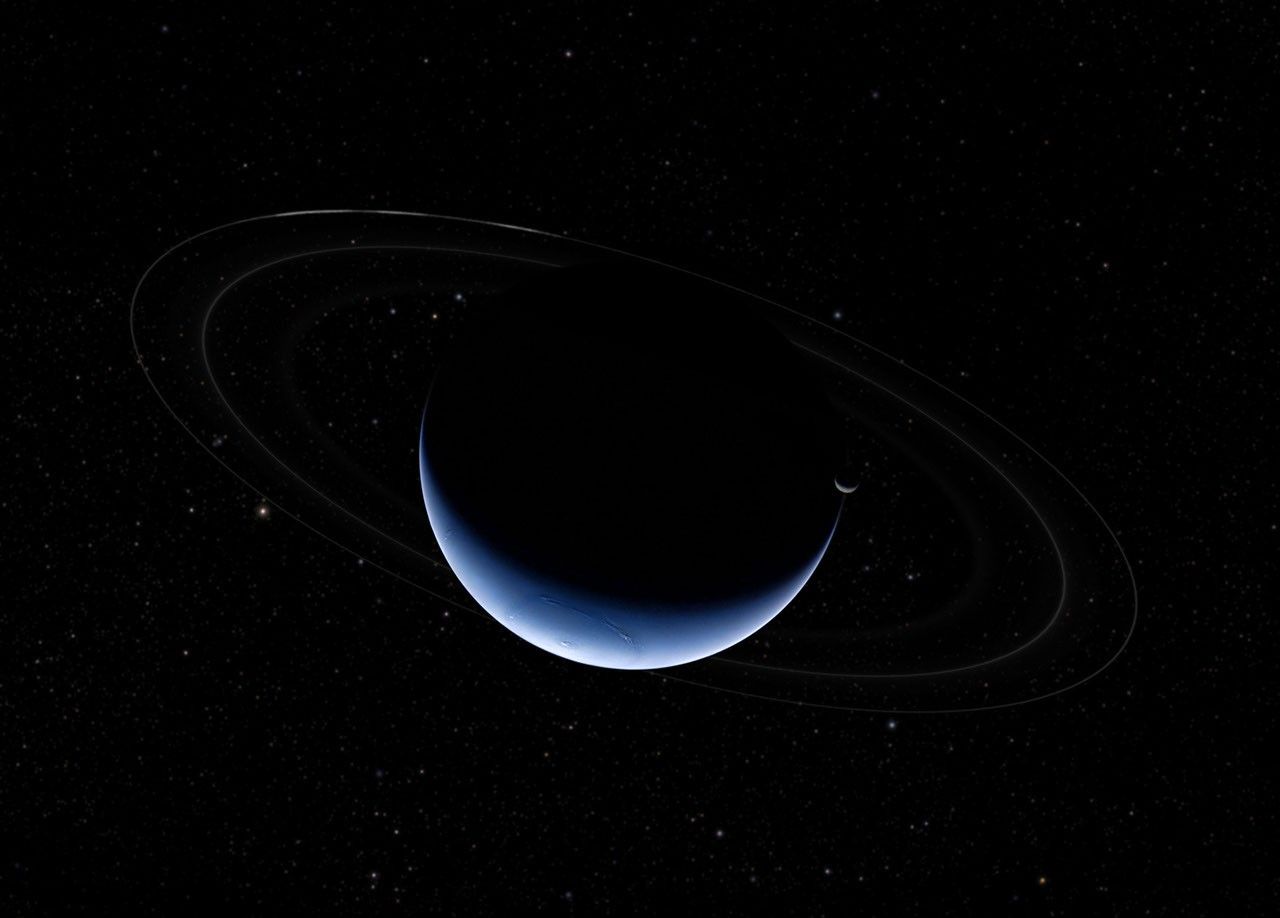
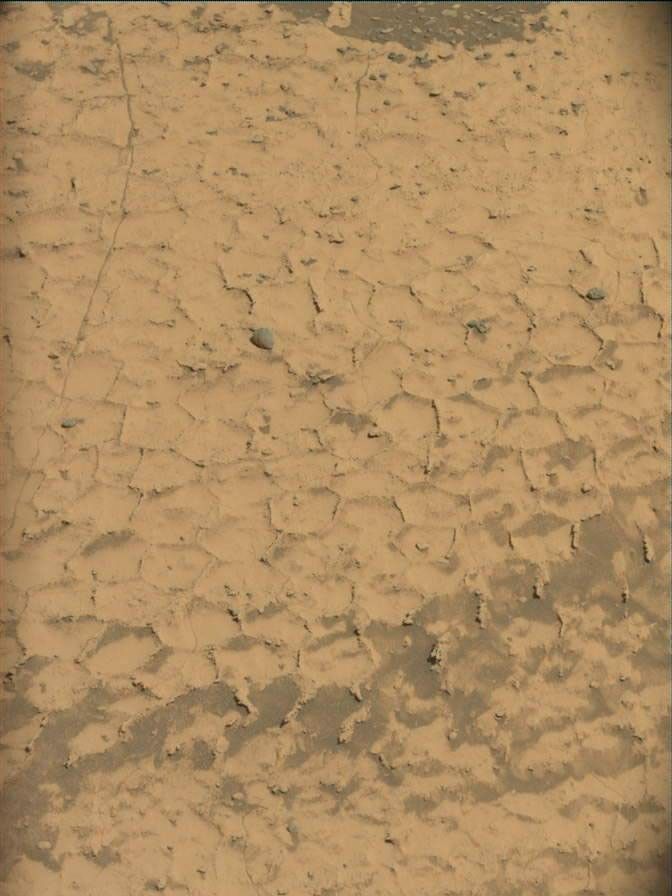
A portrait taken half a billion kilometres from home
Few spacecraft images stop you in your tracks quite like the one informally known as Rosetta's selfie. Captured during the European Space Agency's landmark comet mission, the composite photograph shows one of the probe's large solar panels stretching across the foreground, with the rugged, dark nucleus of comet 67P/Churyumov-Gerasimenko visible in the distance. NASA's Astronomy Picture of the Day (APOD) programme selected this image on 24 October 2026, bringing it back into public conversation at a moment when comet and small-body science is once again generating significant interest in the space community.
The photograph was assembled using the CIVA camera system mounted on the Philae lander, which was attached to Rosetta before its historic surface descent. By rotating the field of view toward the spacecraft's own structure and stitching multiple frames together, mission teams produced an image that conveys, in a single glance, the extraordinary isolation and precision involved in deep-space operations.
A decade of chasing a comet across the Solar System
Rosetta lifted off in 2004 aboard an Ariane 5 rocket from the Guiana Space Centre in Kourou, French Guiana. After a decade-long journey involving multiple gravitational assists around Earth and Mars, the spacecraft entered orbit around 67P in August 2014 — the first time any human-made object had successfully rendezvoused with and orbited a comet.
What followed was an extended period of scientific observation unlike anything previously attempted. Instruments aboard Rosetta measured the chemical composition of gases streaming from the nucleus, mapped the comet's irregular terrain, and tracked how its activity evolved as 67P swung closer to the Sun. The data fed directly into broader questions about how comets may have seeded the early Earth with water and organic molecules.
In November 2014, Philae made its bumpy descent to the comet's surface, becoming the first lander ever to touch a cometary nucleus. Though the lander's battery life proved shorter than hoped, the scientific return from those hours of contact was substantial. Rosetta itself continued orbiting for nearly two more years before being commanded into a controlled impact on the surface in September 2016, ending the mission on its own terms.
Why this image still resonates in 2026
The reappearance of Rosetta's selfie — flagged both by APOD and by ESA's own weekly image digest published on 23 October 2026 — points to something worth noting: certain photographs from space exploration accumulate meaning over time rather than losing it.
This particular image works on several levels. Technically, it is a reminder that pointing a camera at your own spacecraft while simultaneously framing a target hundreds of millions of kilometres away requires extraordinary coordination between ground teams and onboard systems operating under communication delays of up to twenty minutes. Visually, it collapses that distance into something comprehensible.
As ESA, NASA, JAXA, and a growing roster of commercial actors consider future missions to comets and near-Earth objects — driven partly by planetary defence concerns and partly by fundamental science objectives — Rosetta's legacy provides both a technical benchmark and a navigational philosophy. The probe demonstrated that patience, precision, and long mission timelines can yield results that reshape entire scientific fields. That lesson, much like the selfie itself, does not age.