Within the span of a single week, SpaceX is executing two missions that share a launch vehicle but little else. One is a critical resupply run to the International Space Station on behalf of NASA. The other is yet another batch deployment for the Starlink broadband constellation. Together, they paint a clear picture of how thoroughly the Falcon 9 has come to underpin American access to orbit.
CRS-34: keeping the space station stocked
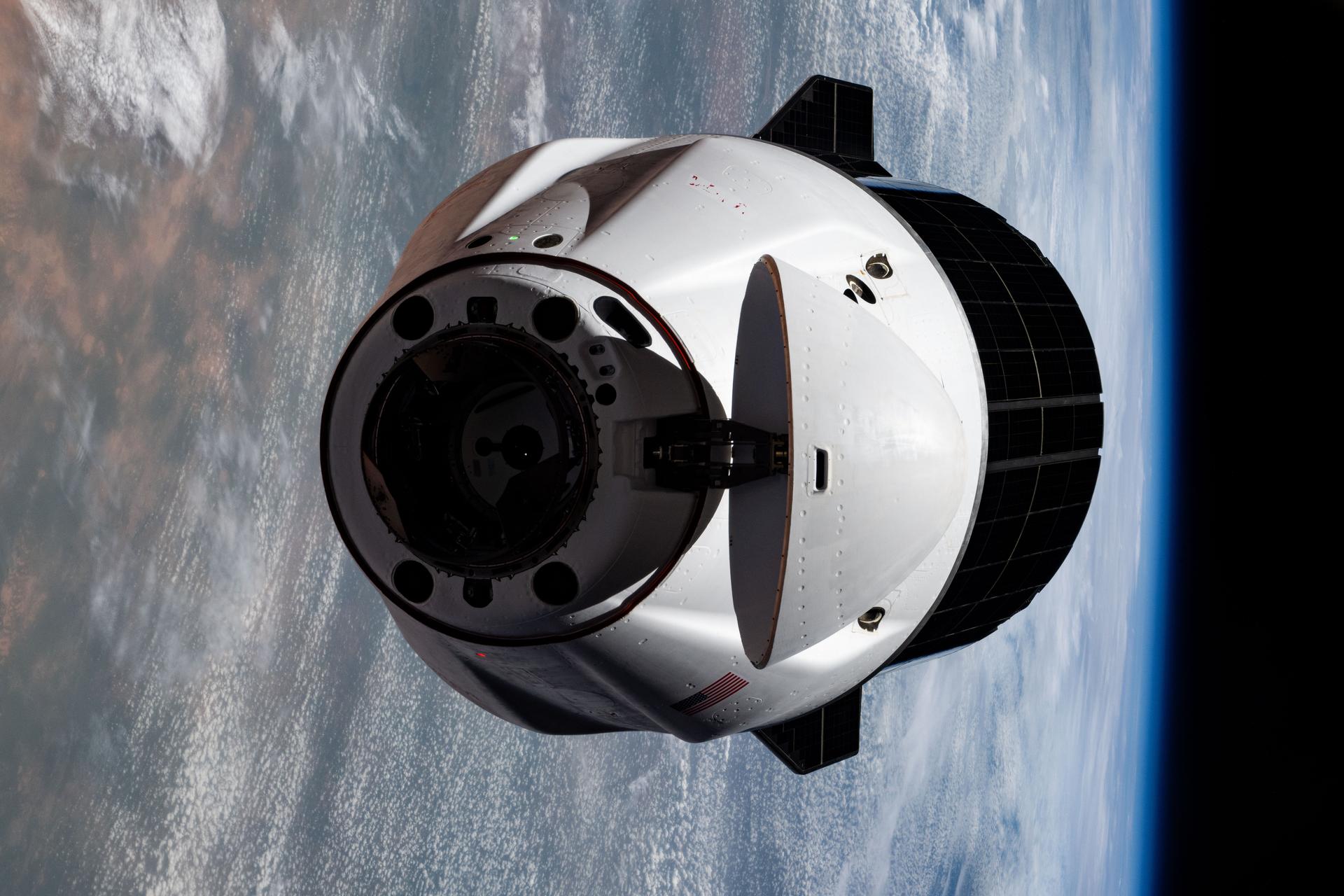
NASA and SpaceX have set May 13, 2026, at 7:16 p.m. EDT as the target for the 34th commercial resupply services mission to the ISS. A Dragon cargo spacecraft will carry roughly 6,500 pounds — approximately 2,950 kilograms — of science hardware, crew provisions, and station equipment to the orbiting laboratory.
The mission falls under the long-running commercial resupply services contract that has kept the ISS supplied since the Space Shuttle's retirement in 2011. Dragon remains the only Western cargo vehicle currently providing this service on a recurring, autonomous basis. NASA has confirmed live coverage of both the launch and the docking approach across its broadcast channels, though a detailed manifest of the science payloads had not been publicly released at the time of writing.
The flight reinforces a pattern of steady, almost procedural logistics that NASA and SpaceX have refined over more than a decade of partnership. Reliability, not novelty, is what keeps a space station running.
Starlink 17-29: flight 44 of the year, and counting
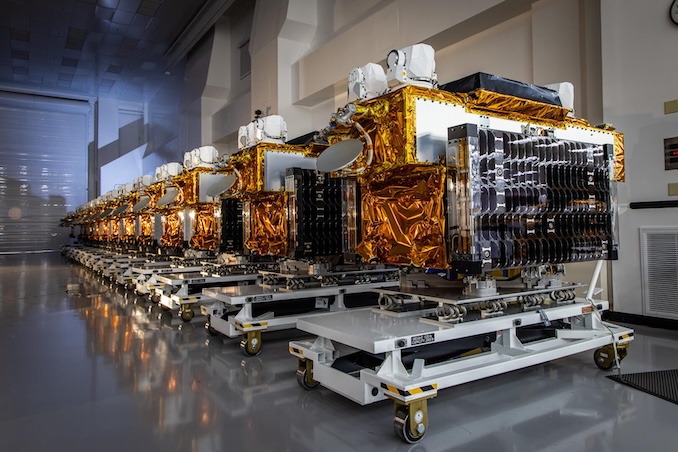
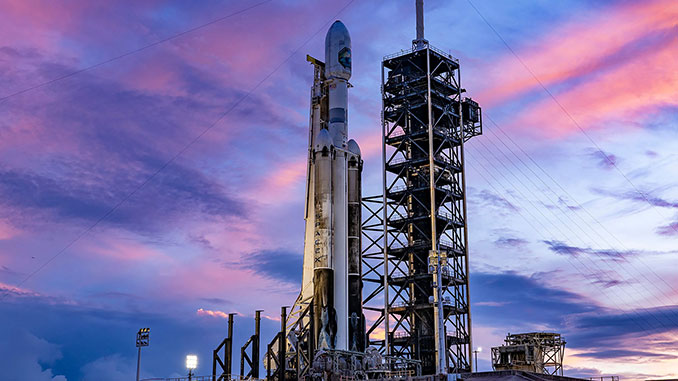
Days earlier, on May 5, a Falcon 9 lifted off from Space Launch Complex 4E at Vandenberg Space Force Base in California, carrying 24 Starlink satellites into orbit. The Starlink 17-29 mission, which departed at 10:35 p.m. EDT, marked the 44th dedicated Starlink flight of 2026 — a figure that underscores the pace at which SpaceX continues to expand and upgrade its global internet coverage network.
As is now standard practice for these relatively lightweight orbital missions, recovery of the Falcon 9 first stage on a drone ship was planned following stage separation. Booster reuse has become so routine on Starlink flights that the absence of a landing attempt would be the unusual outcome.
One rocket, two very different customers
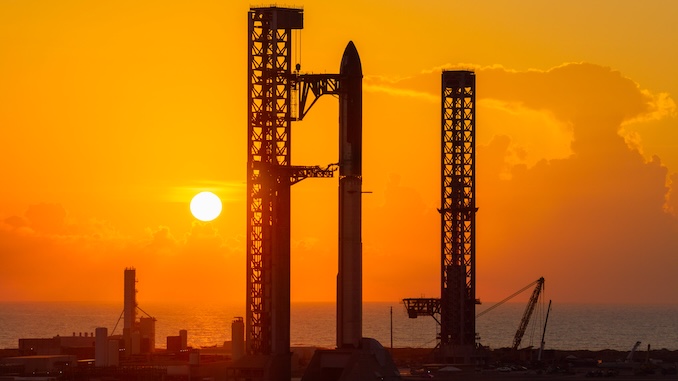
What makes these back-to-back missions worth noting is not the spectacle of any individual launch, but the breadth of demand the Falcon 9 satisfies. The vehicle carries delicate scientific equipment destined for a crewed research platform one week, and mass-produced flat-panel satellites the next. That operational flexibility, backed by a reliability record spanning several hundred consecutive successful flights, has made it the default choice for government agencies and commercial operators alike.
Looking ahead, the gradual introduction of Starship for high-volume or deep-space missions could eventually reshape this landscape. But in the near term, the Falcon 9 shows no sign of relinquishing its role as the backbone of American launch activity. The cadence speaks for itself.