Two launches, two coasts, forty-eight hours
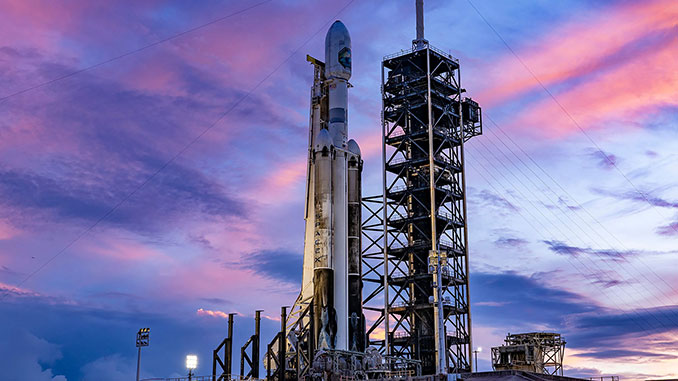
On May 29, a Falcon 9 lifted off from pad 40 at Cape Canaveral Space Force Station in Florida at 8:03 a.m. EDT, carrying a batch of 29 Starlink satellites to low Earth orbit on the mission designated Starlink 10-53. That flight marked the 49th dedicated Starlink launch of 2026 — itself a figure that would have raised eyebrows not long ago.
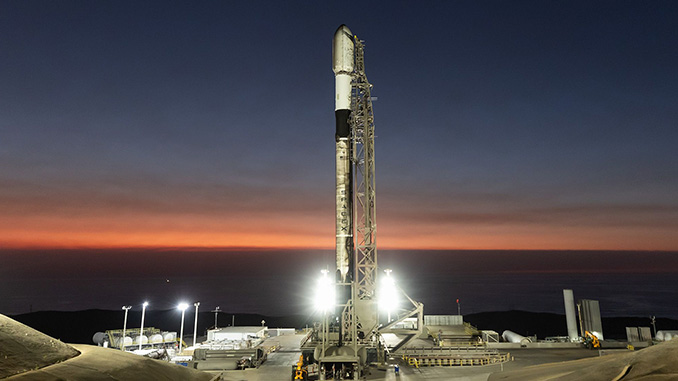
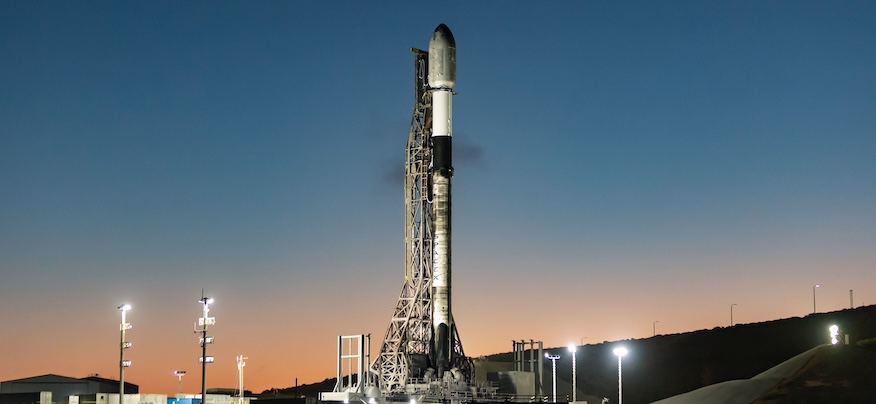
Less than 24 hours later, on May 30, a second Falcon 9 rose from pad 4E at Vandenberg Space Force Base in California at 8:25 a.m. PDT. The Starlink 17-41 mission served as SpaceX's tenth and final launch of the month, pushing the annual Starlink mission tally to an even fifty. For context, that number covers only the first five months of the year.
The mechanics behind the milestone
Sustaining this pace demands an operational infrastructure that goes well beyond rocket engineering. SpaceX runs concurrent launch campaigns from both coasts, relying on a fleet of reusable Falcon 9 first-stage boosters, some of which have now accumulated more than twenty flights each. The routine recovery of those boosters — on autonomous drone ships at sea or on land-based landing zones — is what makes the economics viable at this frequency.
No other single launch provider comes close to this output. Government agencies including NASA, Roscosmos, ISRO, JAXA, and CNSA, taken together, do not collectively match SpaceX's orbital launch rate over the same period. Arianespace, operating Ariane 6 from the Guiana Space Centre, operates on a fundamentally different model focused on heavy commercial payloads bound for geostationary orbit, where mission cadence is measured in single digits per year.
A constellation that keeps growing
Every Starlink mission adds tens of satellites to a network already numbering in the thousands, operating at altitudes broadly between 340 and 570 kilometers. The stated purpose remains consistent: deliver broadband internet to areas where terrestrial infrastructure is absent, unreliable, or prohibitively expensive — rural communities, remote islands, disaster zones, and maritime routes among them.
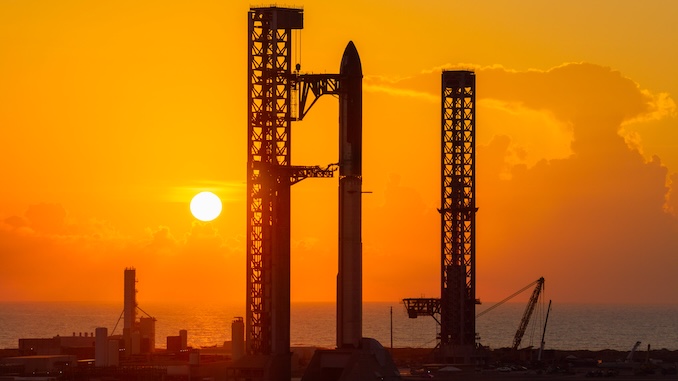
The next chapter for the constellation involves Starlink V3, a more capable generation of satellites designed to deliver substantially higher throughput. Those spacecraft will be too large for Falcon 9 and will require the Starship launch system, which is still in active test flight development. Managing the handoff between the two vehicle families represents one of the more complex logistical challenges ahead for SpaceX.
If the current tempo holds, the company could exceed one hundred Starlink missions in a single calendar year for the first time. Based on what the first five months of 2026 have demonstrated, that projection is no longer speculative.