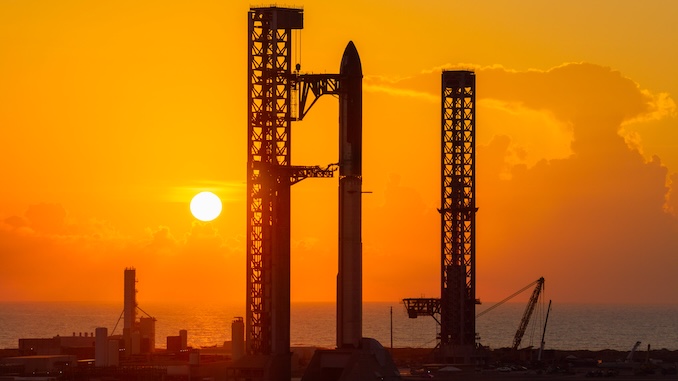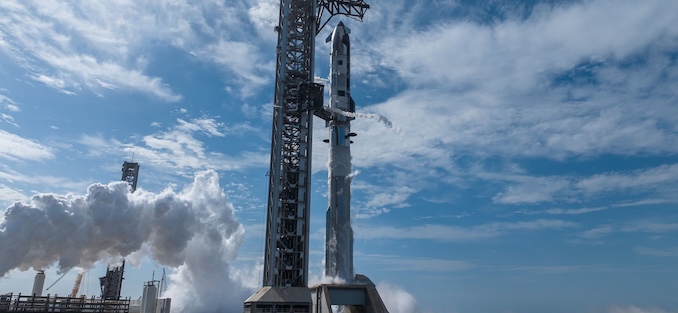
Flight 12 and the Block 3 generation
On May 21, 2026, SpaceX is preparing to fly Starship for the twelfth time, with liftoff targeting a window opening at 22:30 UTC from Pad 2 at Starbase in South Texas. This is not simply the next entry in a numbered sequence. Flight 12 marks the operational debut of the Block 3 configuration — a substantially revised version of the world's most powerful launch system to date.
The most consequential changes involve redesigned Raptor engines. It has been more than seven years since a Raptor engine first ignited on a test vehicle, a timeline that reflects both the sheer ambition of the program and the iterative discipline SpaceX has applied to it. The Block 3 variant incorporates a series of structural and propulsion refinements intended to push reliability and performance further across the full stack, including the Super Heavy booster.
The activation of Pad 2 adds another layer of significance. With two launch mounts now operational at Starbase, SpaceX gains the operational flexibility to sustain a faster cadence of test flights and, eventually, commercial missions — without being held back by a single-point infrastructure bottleneck. That redundancy matters as the program moves toward regular service.
An IPO that opens the books
The countdown to Flight 12 is unfolding alongside a financial milestone that, until recently, few observers expected to see. On May 20, SpaceX filed documents with U.S. regulators for an initial public offering of shares. The prospectus makes public, for the first time, a detailed picture of the company's revenues, cost structure, and strategic priorities.
The document leaves little ambiguity about where SpaceX's future lies. Starship is positioned as the backbone of the company's growth ambitions — not as a side project, but as the vehicle intended to carry heavy payloads, support orbital refueling operations, fulfill NASA's Artemis lunar commitments, and eventually enable human missions to Mars. Starlink's satellite internet revenues, generated through an aggressive Falcon 9 launch cadence, are shown to be the financial engine currently underwriting that vision.
That cadence remains remarkable on its own terms. The Starlink 10-31 mission, launched from Cape Canaveral Space Force Station on May 20, was already the 58th Falcon 9 flight of 2026. Few launch vehicles anywhere in the world sustain that kind of pace, and it underscores the industrial depth SpaceX is leveraging as it prepares to court public investors.
Timing, credibility, and what comes next
The overlap between Flight 12 and the IPO filing is unlikely to be accidental. Demonstrating Block 3's capabilities in flight at the same moment prospective shareholders are reviewing the company's financials sends a clear message about program maturity. SpaceX is betting that technical performance and financial credibility reinforce each other.
Whether Block 3 delivers on that framing will depend on what actually happens during the mission. Previous Starship test flights have each yielded valuable data, sometimes under conditions that cut missions short. The stakes for Flight 12 extend well beyond the engineering scorecard. In a launch market where competitors including Rocket Lab, Arianespace, and Chinese providers are steadily building their own positions, the pace at which Starship transitions from test article to operational vehicle will shape how investors, customers, and regulators ultimately read the SpaceX story.