An operational payload changes the picture
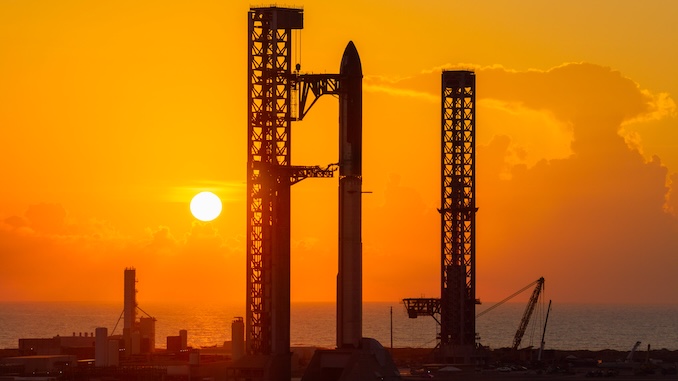
SpaceX opened a 90-minute launch window at 10:45 p.m. EDT on July 16, 2026, for the thirteenth flight of the Starship and Super Heavy system from Pad 2 at Starbase in South Texas. What sets this mission apart from earlier test flights is the nature of its cargo: a batch of Starlink V3 satellites, the latest generation of SpaceX's broadband constellation. It marks the first time that third-generation Starlink hardware has flown aboard Starship, even on a suborbital trajectory.
Roughly two months have passed since the first Block 3 Starship flew with Booster 19 — a steady drumbeat of incremental progress that SpaceX has maintained since the vehicle's early attempts in 2023. Each successive flight has pushed the program forward, refining stage separation sequences, thermal protection performance, and booster recovery techniques.
Reusability upgrades take center stage
Alongside satellite deployment, Flight 13 is designed to validate a range of hardware and software improvements aimed at pushing Starship closer to full and rapid reusability. The complete list of modifications had not been officially disclosed in detail at the time of publication, but SpaceX has indicated that the upgrades target the kind of turnaround efficiency the company achieved with Falcon 9 — only at a scale of payload mass and volume that dwarfs anything previously attempted in commercial spaceflight.
Super Heavy booster recovery remains one of the central demonstration objectives. Since Flight 9, SpaceX has successfully caught the returning booster with the mechanical arms of the launch tower — an operation the company has branded as part of its Mechazilla infrastructure — a feat that is central to the program's long-term economics. Whether Flight 13 repeats or extends that performance will be closely watched.
The last suborbital chapter?
Perhaps the most significant dimension of Flight 13 is what may come after it. Available reporting suggests SpaceX is positioning this mission as potentially the last to fly a suborbital profile before transitioning to full orbital velocities on future flights. That shift would represent a fundamental step change: orbital flight is a prerequisite for NASA's Artemis program, which has contracted Starship as its crewed lunar lander, as well as for the large-scale deployment missions that SpaceX's own satellite business demands.
No confirmed schedule for subsequent flights had been released at the time this article was written, and SpaceX has not officially declared that Flight 13 will be the last suborbital attempt. But the trajectory of the program — in every sense of the word — points clearly toward orbit. If this mission performs as intended, the long suborbital development phase of Starship will quietly become history.