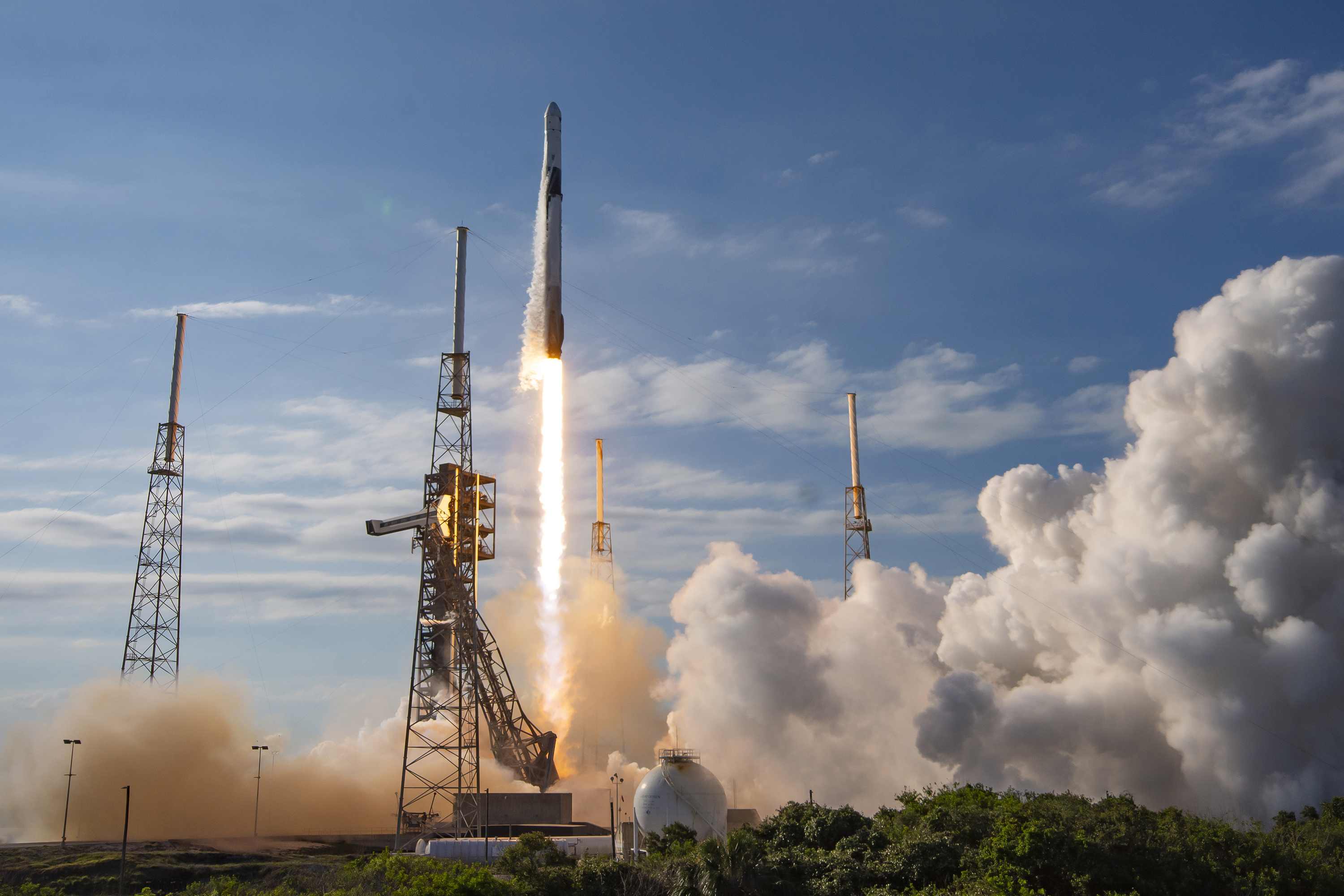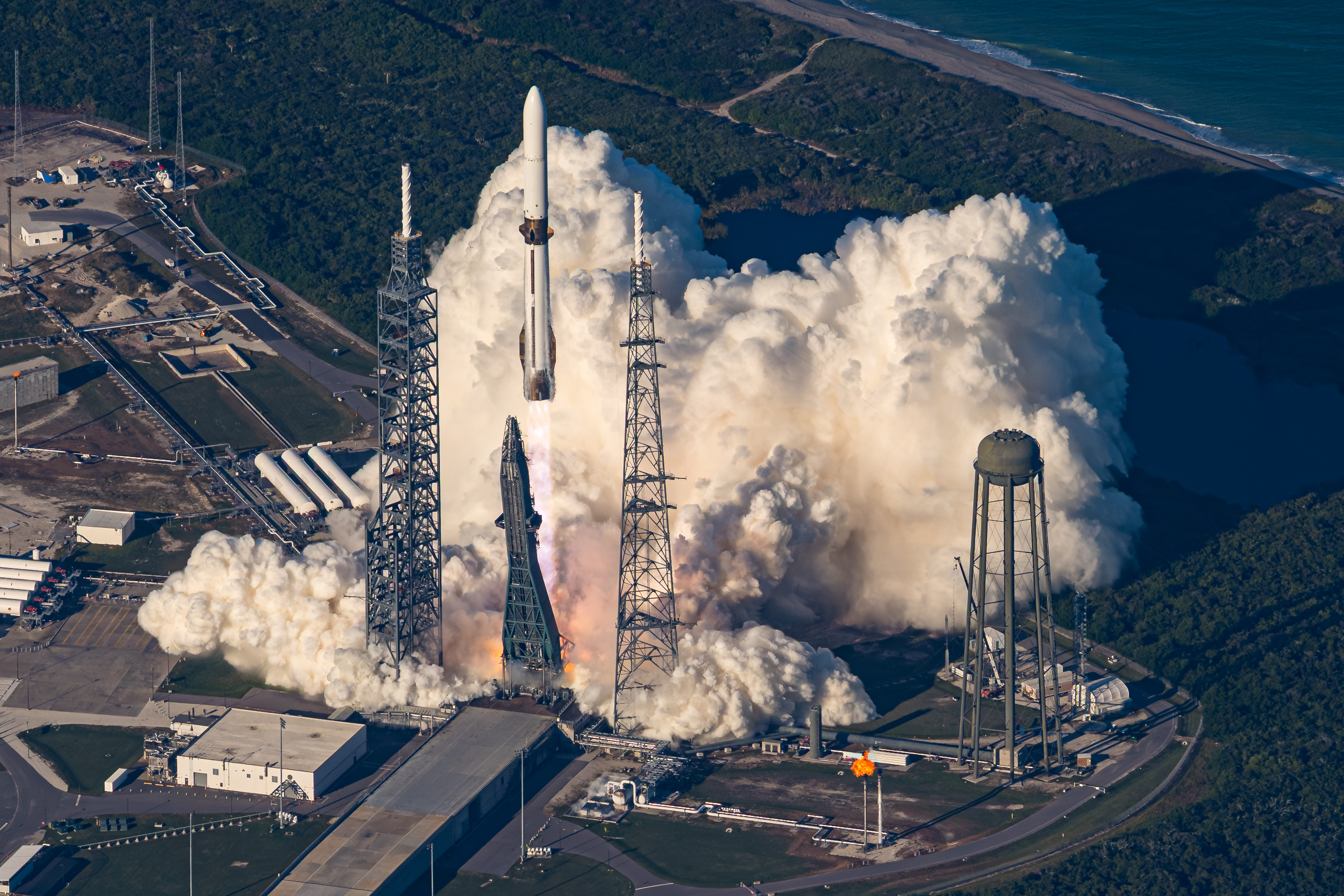
At 9 p.m. Eastern time on May 28, 2026, Blue Origin's New Glenn rocket exploded on the launch pad at Complex 36, Cape Canaveral Space Force Station, Florida. The company confirmed the event, describing it as a significant anomaly during a planned static fire test, while stressing that all personnel on site were accounted for and unharmed. The physical fate of the vehicle and the launch infrastructure, however, appears far grimmer.
A Routine Test That Turned Catastrophic
Static fire tests are a standard step in rocket certification: engines are ignited while the vehicle remains bolted to the ground, allowing engineers to verify thrust levels, ignition sequences, and system health ahead of an actual flight. Despite their routine nature, they involve large quantities of high-energy propellants under extreme conditions. In this case, something went badly wrong. Footage of the incident shows a violent explosion consuming the vehicle, raising immediate questions about potential damage to the launch pad itself — infrastructure that can take months or years to repair or replace.
The timing is particularly punishing. Blue Origin had been targeting a June 4 launch date for an Amazon Project Kuiper mission, a broadband satellite constellation that the e-commerce giant is racing to build out in low Earth orbit. That flight would have marked a significant step in New Glenn's commercial ramp-up, demonstrating the vehicle's ability to support a high-tempo manifest for a major anchor customer.
Consequences That Extend Far Beyond One Launch
The explosion carries consequences well beyond the loss of a single rocket. NASA had selected New Glenn as a contributor to the Artemis lunar program, with the vehicle expected to carry scientific and logistical payloads toward cislunar space. A prolonged stand-down — made all but certain by the scale of the incident — risks disrupting that schedule at a time when Artemis is already navigating a demanding planning environment.
For Blue Origin itself, the stakes are existential in competitive terms. The company has long positioned New Glenn as a credible alternative to SpaceX's Falcon 9 in the commercial launch market: a heavy-lift, partially reusable vehicle capable of competing across a broad range of mission profiles. A lengthy recovery period could erode customer confidence and cede ground to rivals, including Rocket Lab's forthcoming Neutron and a growing roster of European and Asian launch providers working toward operational status.
Investigation and the Road Back
Under standard U.S. procedures, the Federal Aviation Administration is expected to open a formal investigation into the cause of the anomaly before clearing Blue Origin to resume launch operations. That process — which will seek to identify whether the failure originated in the BE-4 engines, pressurization systems, propellant handling, or structural components — could take months, and its duration remains entirely unclear at this stage.
Blue Origin has not offered any technical explanation for the explosion, nor provided any indication of when operations might resume. The company said teams were actively assessing the situation. Until a root cause is established and corrective actions defined, the scope of this setback — for New Glenn's manifest, for Amazon's Kuiper timeline, and for Blue Origin's broader ambitions as a launch provider — will remain difficult to quantify. The coming weeks will be critical in determining just how far-reaching the damage truly is.