New solar hardware bolted onto the station
On October 29, 2026, Canadian Space Agency astronaut Joshua Kutryk and NASA astronaut Anil Menon stepped outside the International Space Station for a planned spacewalk. At the time, the station was orbiting roughly 267 miles above the South Atlantic Ocean. The two astronauts installed a new roll-out solar array — a compact, deployable panel designed to expand the station's power generation capacity — on the station's truss structure. This newer generation of solar arrays folds tightly for launch and unfurls in orbit, offering a meaningful upgrade to the ISS power grid. Beyond the primary installation, the crew also completed additional get-ahead tasks, making productive use of the remaining time outside the airlock.
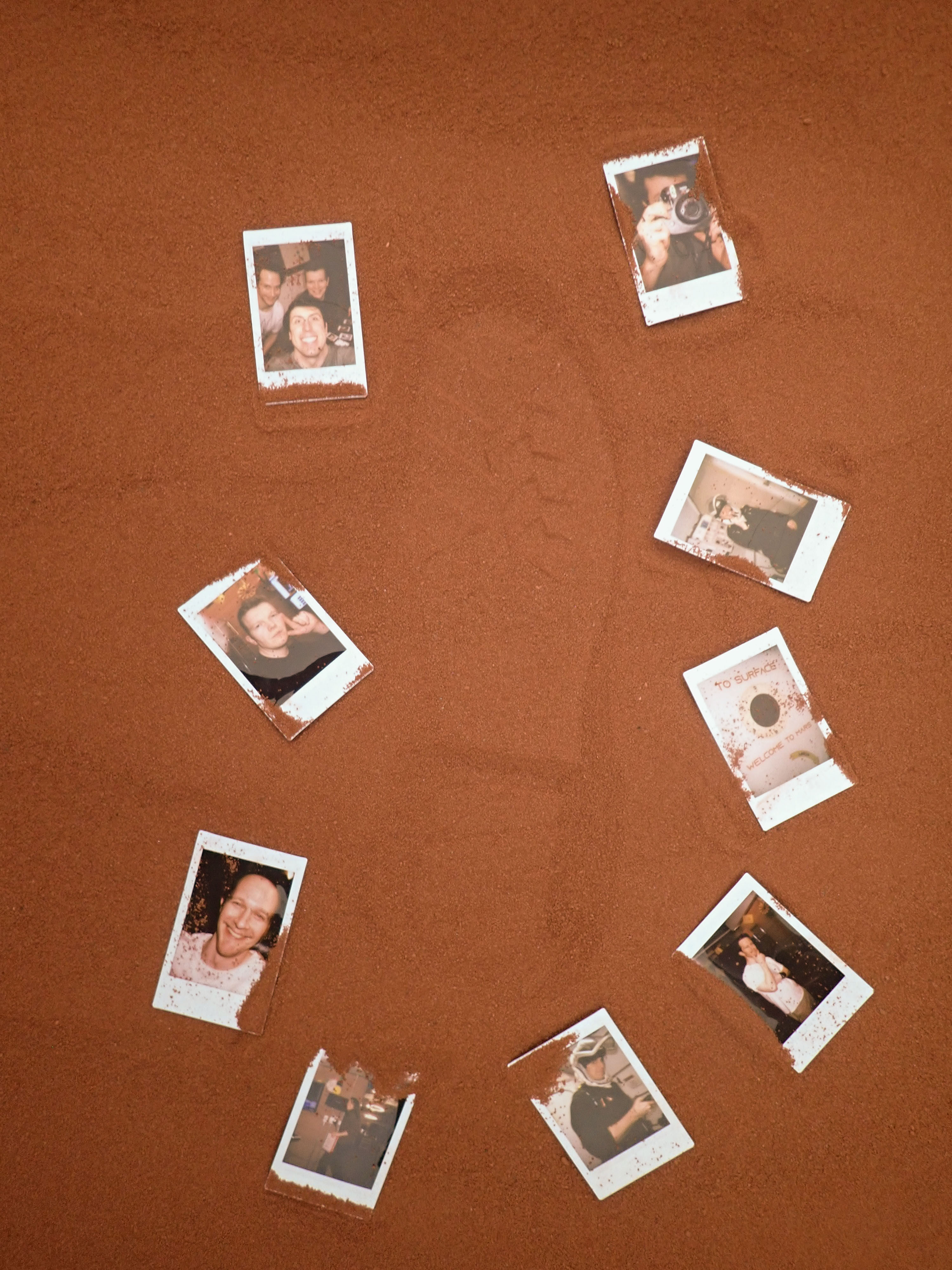
A crew steps back into sunlight after a simulated year on Mars
On October 31, 2026, four volunteers walked out of NASA's CHAPEA habitat — Crew Health and Performance Exploration Analog — for the first time in well over a year. Matthew Montgomery, James Spicer, Ross Elder, and Ellen Ellis completed the analog mission at Johnson Space Center in Houston, having spent more than twelve months inside a facility built to replicate the constraints of a long-duration Mars surface mission. The CHAPEA program is designed to generate hard data on how isolation, restricted resources, and confined living affect crew health and performance. The findings — covering everything from cognitive function and sleep quality to team dynamics and nutrition — are intended to directly inform the planning of future crewed missions to Mars, whether under NASA's Artemis-era architecture or beyond. The mission ended on Halloween, a detail the crew likely appreciated.
The ISS as a classroom, live and in orbit
To mark National STEM Day in the United States, NASA's Office of STEM Engagement organized a live call between students across the country and astronaut Anil Menon aboard the ISS. Joining as co-host was Mark Rober, a popular science communicator and founder of the ClassCrunchLabs Foundation. The event offered students a direct, real-time conversation with someone currently living and working in space — a format that consistently ranks among the most effective tools for sparking genuine interest in science, technology, engineering, and mathematics among younger audiences. These in-flight educational sessions have been a recurring feature of ISS programming for years, and they remain one of the more tangible ways the station serves a public engagement role beyond its scientific output.
Taken together, these three events — separated by just a few days — reflect the breadth of NASA's current operations: maintaining a crewed outpost in low Earth orbit, testing the human limits needed for deep-space travel, and working to bring the next generation of scientists and engineers into the fold. Each strand connects to the same longer-term question: what it will take to send humans further into the solar system and keep them there.