Another cargo run, but no less demanding an operation
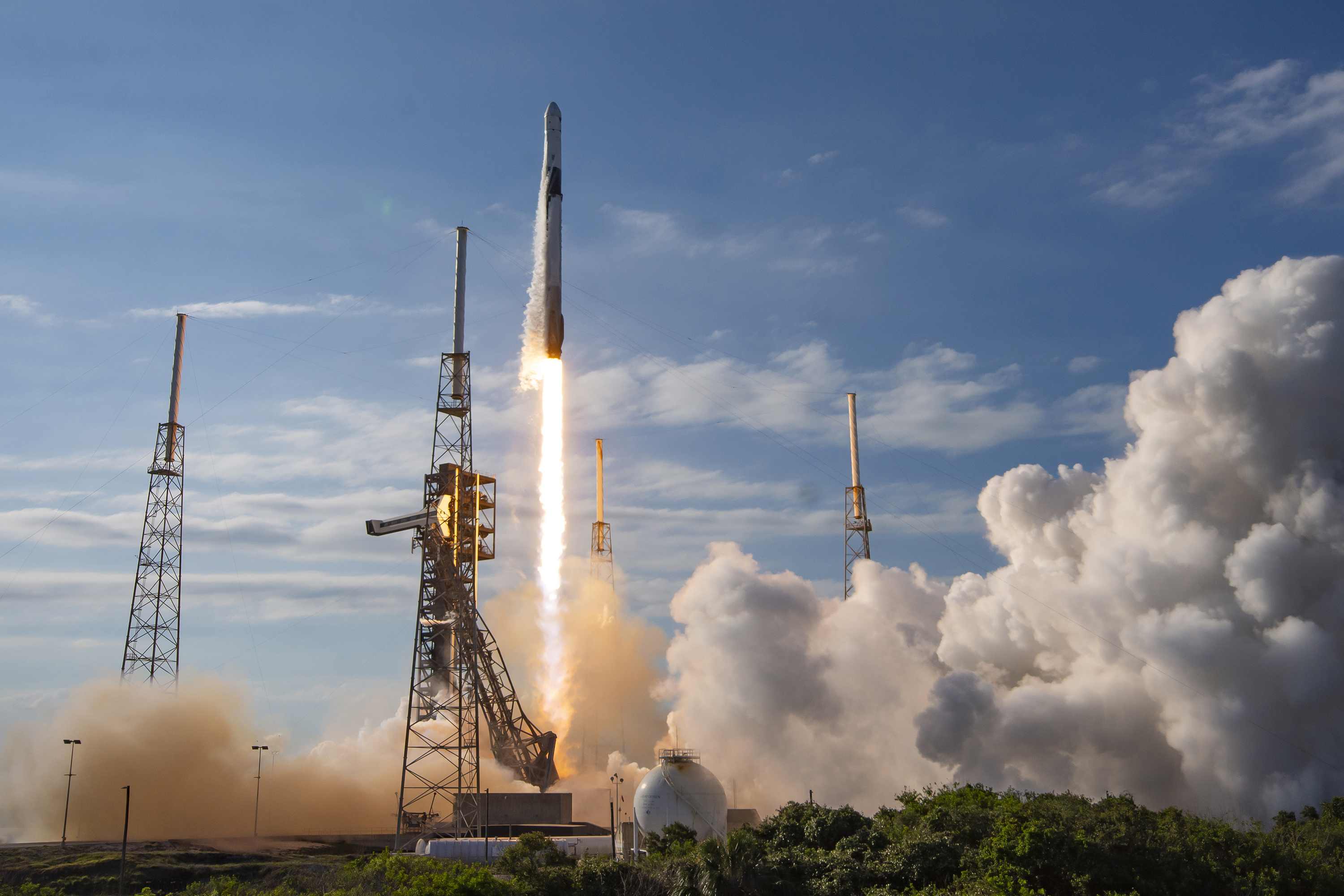
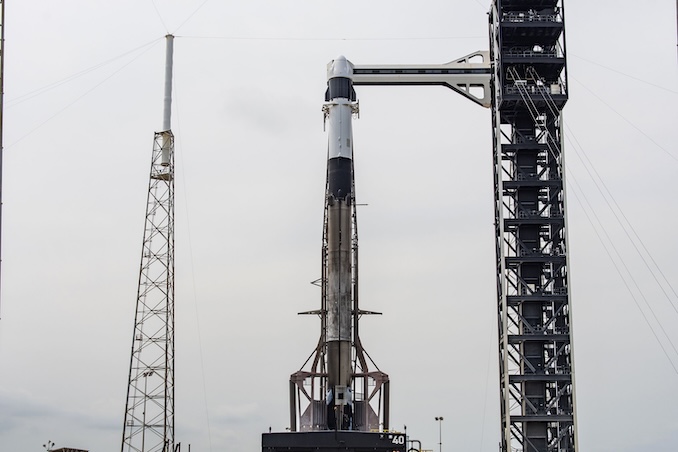
A SpaceX Falcon 9 rocket is scheduled to lift off from Launch Complex 40 at Cape Canaveral Space Force Station on May 12, 2026, at 11:16 p.m. EDT (2316 UTC). Riding on top is a Cargo Dragon capsule loaded with approximately 6,500 pounds — roughly 2,950 kilograms — of supplies and scientific hardware bound for the International Space Station. The flight marks SpaceX's 34th mission under NASA's Commercial Resupply Services 2 (CRS-2) contract.
Despite becoming a well-rehearsed operation, each resupply run demands precise coordination between SpaceX, NASA, and the ISS crew. The manifest typically includes food and consumables, maintenance equipment, and carefully packaged science experiments designed to withstand launch loads before operating in the microgravity environment of the station.
A packed week on the global launch manifest
This Dragon mission is one of nine launches scheduled during the week of May 11, 2026, according to tracking data compiled by mission-watch specialists. Activity is concentrated between the United States and China, with SpaceX leading the American side while multiple Chinese vehicles support both civil and defense-related programs.
The pace reflects a broader structural shift in the orbital launch market. Institutional demand from agencies like NASA, combined with the rapid expansion of commercial satellite constellations, has pushed global launch cadence to levels that would have seemed unlikely a decade ago. Rocket Lab, Arianespace, and other providers are part of this broader momentum, though this particular week belongs largely to American and Chinese rockets.
The ISS as both destination and scientific platform
Each Dragon cargo flight is also a reminder of what continuous resupply makes possible aboard the station. In mid-April 2026, NASA astronaut Chris Williams — living aboard a crewed Dragon docked to the ISS — captured a striking image of the Milky Way arching above Earth's atmospheric limb, bathed in the soft light of airglow. This phenomenon occurs when solar radiation excites atoms and molecules in the upper atmosphere, which then release that energy as faint visible light.
The photograph, released by NASA in early May, puts a human face on the otherwise logistical story of cargo missions. Without consistent resupply, the science, the observations, and the long-duration human presence that make such images possible simply could not happen.
The ISS is currently expected to remain operational until 2030, after which NASA plans a controlled deorbit. Until then, SpaceX's CRS flights — alongside contributions from other contractors — will continue bridging Earth and humanity's most continuously inhabited outpost in space.