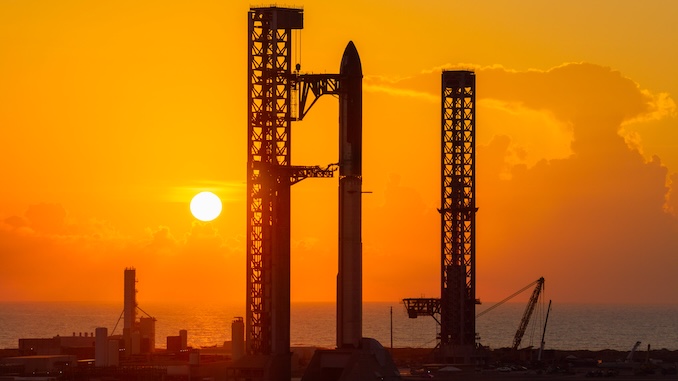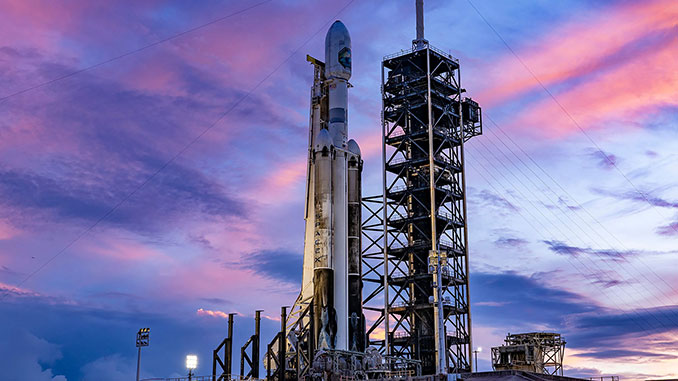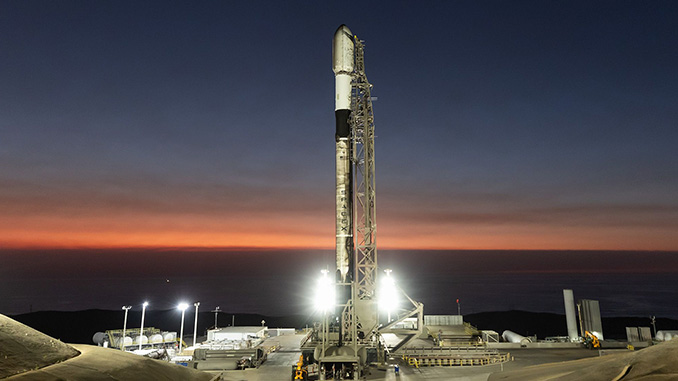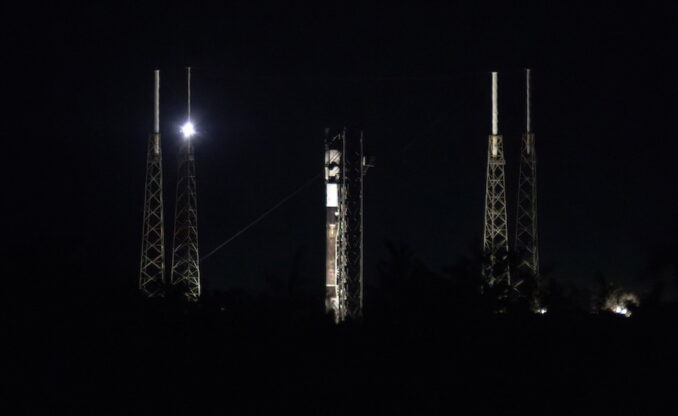
Reaching low Earth orbit used to be a milestone in itself. In 2026, it has become something closer to routine — at least for SpaceX. Over just a few days in mid-July, the company conducted three back-to-back Starlink missions from opposite sides of the United States, punctuated by a significant operational landmark: the 600th flight of a reused Falcon first stage.
The booster milestone that almost went unnoticed
The Starlink 10-45 mission, scheduled to lift off from Launch Complex 40 at Cape Canaveral Space Force Station on July 13 at 08:27 UTC, carried the symbolic weight of this achievement. With 29 broadband satellites destined for SpaceX's growing low Earth orbit constellation, the flight also marked the 600th time a flight-proven Falcon booster had been sent back into service. What was once a proof of concept has become the backbone of SpaceX's entire launch model.
Each recovered first stage undergoes inspection and refurbishment before being cleared for another flight. This process, refined over years of operational experience, has allowed SpaceX to dramatically reduce costs and compress turnaround times between missions — advantages no competitor currently matches at scale.
Vandenberg adds two more launches to the tally
While Cape Canaveral handled the milestone mission, Vandenberg Space Force Base in California contributed two additional Starlink flights to the week's count. On July 10, the Starlink 17-48 mission lifted off from pad 4E at 03:00 UTC, delivering 24 satellites to orbit. Three days later, on July 13, the Starlink 15-14 mission launched from the same pad at 01:17 UTC, carrying another 24 satellites.
Operating from both coasts gives SpaceX the flexibility to target different orbital inclinations, filling coverage gaps in the Starlink network more efficiently. The constellation, designed to deliver high-speed internet access to underserved regions globally, continues to grow denser with each successive batch of satellites.
A pace that reshapes the industry's baseline
The sheer frequency of SpaceX launches raises serious questions that extend well beyond corporate achievement. The proliferation of satellites in low Earth orbit has intensified debate among space agencies — including NASA, ESA, and JAXA — as well as international regulators, around orbital debris and long-term traffic management. SpaceX maintains that its satellites are designed to deorbit autonomously at the end of their operational lives, though independent assessments of that claim vary.
From a competitive standpoint, no other launch provider comes close to this cadence. Arianespace is still ramping up Ariane 6, Rocket Lab's Electron serves a different market segment, and United Launch Alliance's flight rate remains a fraction of SpaceX's. The structural dominance SpaceX holds over the commercial launch market shows no sign of softening.
Six hundred reused booster flights is not merely a marketing number. It represents a fundamental shift in how orbital access is conceived and delivered. The technology has proven itself — the more pressing questions now concern governance, sustainability, and who gets to set the rules for an orbit increasingly shaped by a single company's ambitions.