A One-Day Slip for the Falcon 9 and Dragon
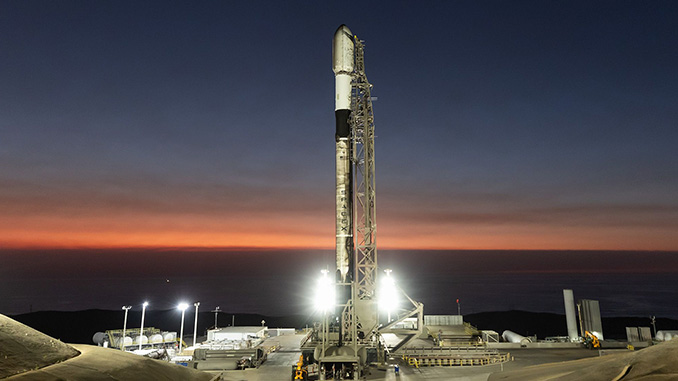
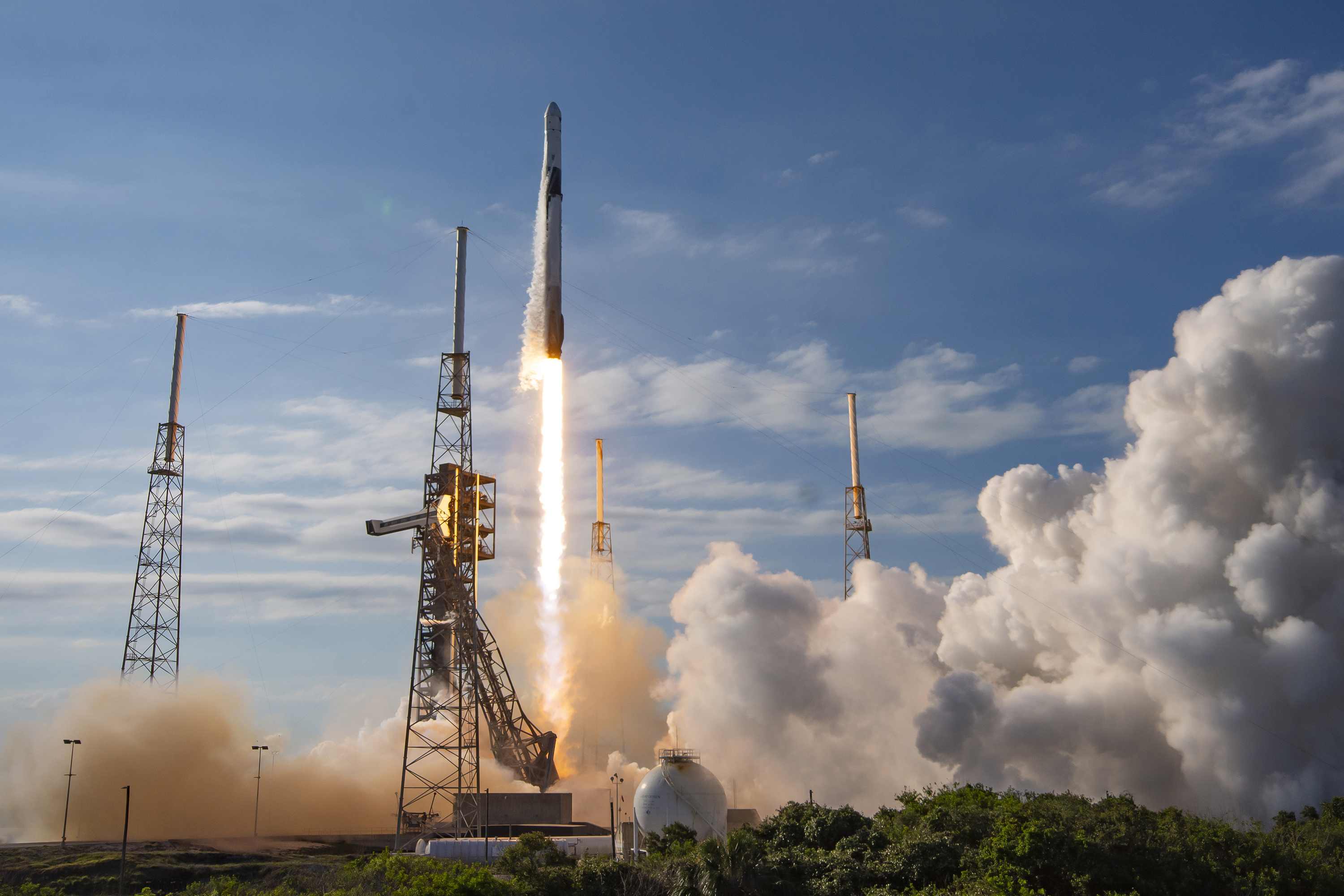
SpaceX's 34th cargo delivery mission under NASA's Commercial Resupply Services 2 contract has been delayed by a single day. The Falcon 9 rocket, launching from Space Launch Complex 40 at Cape Canaveral Space Force Station in Florida, is now targeting liftoff at 7:16 p.m. EDT — 2316 UTC. NASA and SpaceX did not publicly identify the specific reason for the delay at the time of writing, though additional pre-launch checks were cited as the driving factor.
Single-day slips are a routine part of launch operations: orbital rendezvous windows to the ISS are tightly constrained, and even minor technical concerns can push a target date back by 24 hours without requiring a more significant reset. The Dragon capsule flying on CRS-34 is a previously flown vehicle, continuing SpaceX's standard practice of reusing hardware across the resupply program.
Nearly 6,500 Pounds of Cargo Bound for the Station
The total cargo manifest weighs in at approximately 6,500 pounds — roughly 2,950 kilograms — covering scientific experiments, maintenance equipment, and crew consumables. NASA has not yet released a full breakdown of the research payloads, but CRS missions typically carry experiments spanning microgravity biology, fluid physics, and materials science, among other disciplines.
The arrival of CRS-34 comes roughly two weeks after Russia's Progress MS-34 cargo spacecraft docked at the station on the Roscosmos side. Together, the two deliveries help sustain the ISS through a period of active crew rotation and growing logistical complexity as the orbiting laboratory moves closer to its planned end-of-operations date later this decade.
Nine Launches in One Week: A New Normal
CRS-34 is one of nine orbital launch attempts scheduled during the week of May 11, with activity split between American and Chinese operators. SpaceX accounts for the majority of the U.S. manifest, with multiple Falcon 9 missions queued in rapid succession. China, meanwhile, is maintaining a strong cadence of its own, with flights tied to its low-Earth orbit broadband constellation and logistics runs supporting the Tiangong space station.
The sheer density of this launch schedule reflects how dramatically the industry has shifted. A week featuring two or three liftoffs was once considered busy; nine in seven days is now operationally feasible, driven by the maturation of reusable launch vehicles and the expansion of both commercial and government operators across multiple space-faring nations.
Whether the one-day delay will affect Dragon's planned rendezvous and docking profile with the ISS remains to be confirmed by NASA and SpaceX teams in the hours following liftoff.