A familiar mission with a brief hold
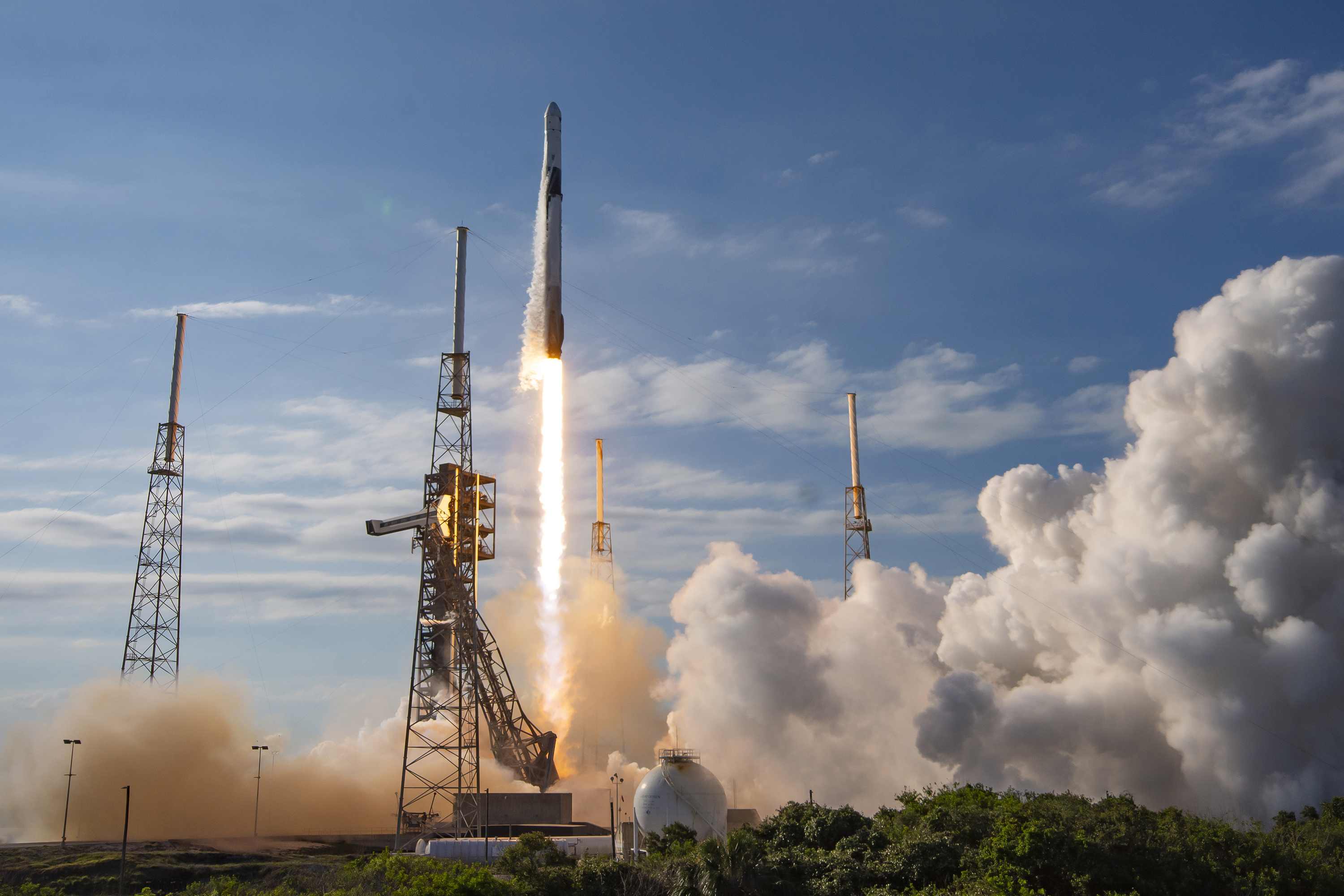
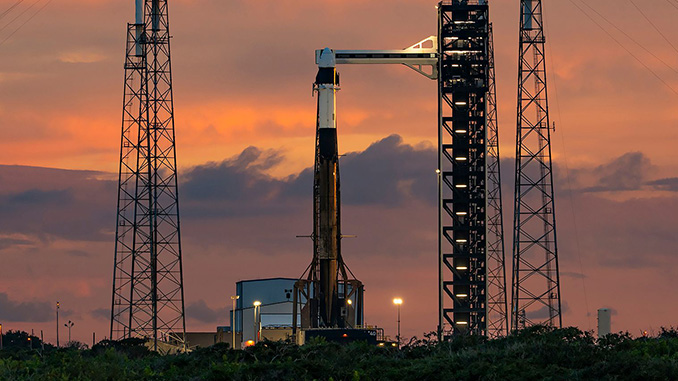
SpaceX's 34th cargo run to the International Space Station hit a minor snag when the launch team called a 24-hour delay ahead of the original liftoff window. The Falcon 9 rocket is now targeting 7:16 p.m. EDT — 2316 UTC — from Launch Complex 40 at Cape Canaveral Space Force Station in Florida. Such short-notice postponements are a standard feature of orbital operations; the adjustment does not alter the mission's flight profile or the timeline for Dragon to reach the Station.
The mission flies under NASA's Commercial Resupply Services 2 contract, a long-running agreement that tasks SpaceX with keeping the ISS stocked on a regular basis. CRS-34 is the 34th operational flight under that program, reflecting the degree to which low-Earth orbit logistics have matured into a largely predictable cadence over the past several years.
More than 6,500 pounds of cargo aboard
The Cargo Dragon capsule is loaded with approximately 6,500 pounds — roughly 2,950 kilograms — of supplies and hardware. That manifest spans scientific investigations, crew provisions, equipment supporting future spacewalks, and spare components for various Station modules. NASA had not released a full breakdown of the science payload at the time of publication, though a detailed rundown is typically provided once Dragon arrives at the outpost and berths to one of the Station's docking ports.
The resupply flight comes just over two weeks after the Russian Progress MS-34 cargo spacecraft docked to the ISS, a reminder that the Station still relies on multiple international logistics partners. While SpaceX handles the American side under CRS-2, Roscosmos maintains its own supply line through Progress vehicles, and JAXA continues development of its next-generation HTV-X transfer craft.
A congested week on the global launch manifest
CRS-34 is far from the only mission competing for attention in mid-May. The week of May 11, 2026 features as many as nine planned launches split between the United States and China. SpaceX alone is responsible for several of those slots with additional Falcon 9 flights, while CNSA presses ahead with its own busy schedule from domestic launch sites.
The concentration of activity during a single week is no longer unusual. American commercial operators, led by SpaceX and joined by emerging players such as Rocket Lab, have driven annual global launch counts to levels that would have seemed improbable a decade ago. China's state-backed programs have matched that pace, sustaining a parallel cadence across crewed, cargo, and satellite missions.
Against that backdrop, CRS-34 represents something easy to overlook: the quiet, essential work of keeping people alive and productive in orbit. No flagship destination, no headline-grabbing first — just a seasoned rocket, a proven capsule, and the continuous thread of logistics that has kept humans aboard the ISS without interruption for more than a quarter century.