A brief delay, then a clean launch
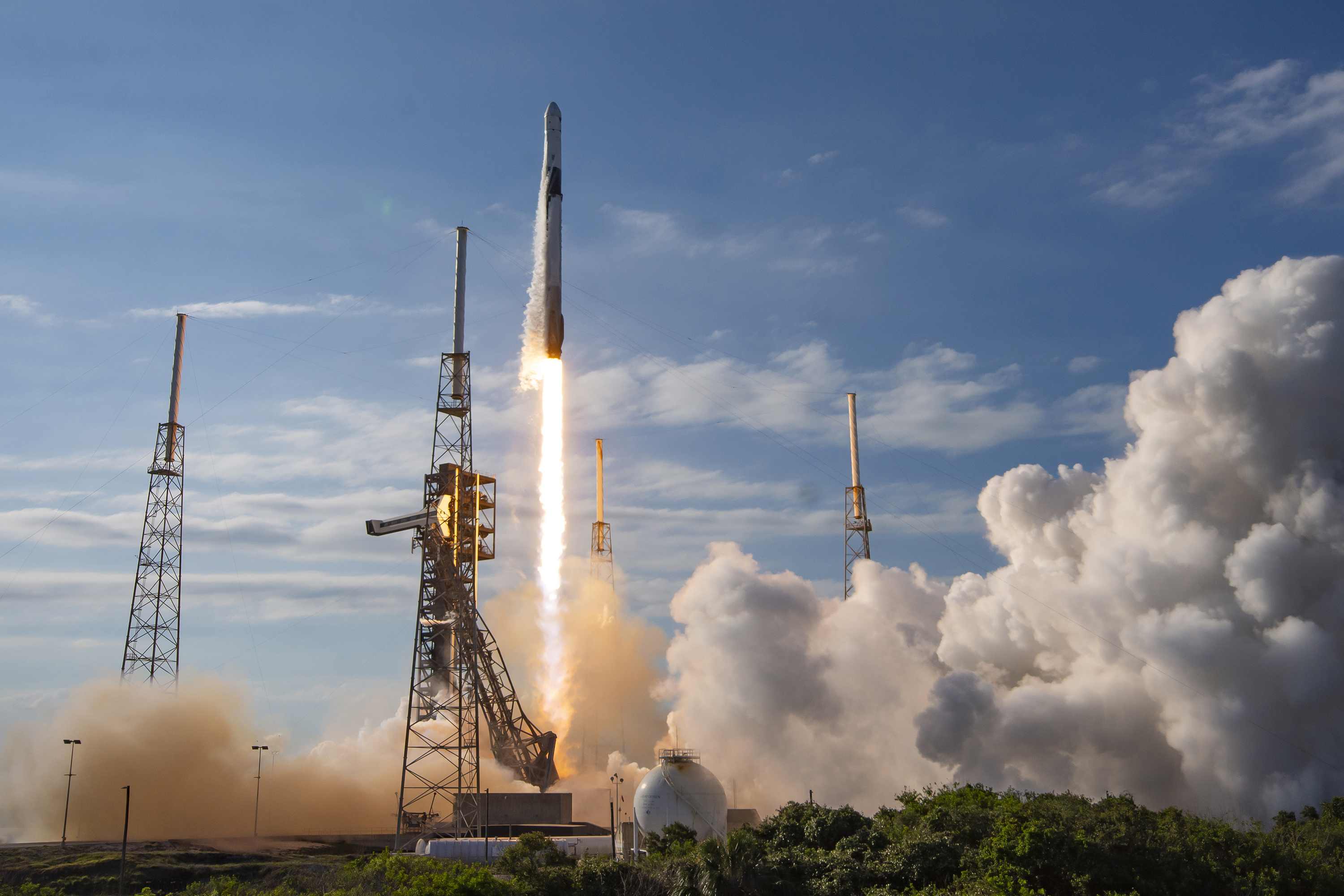
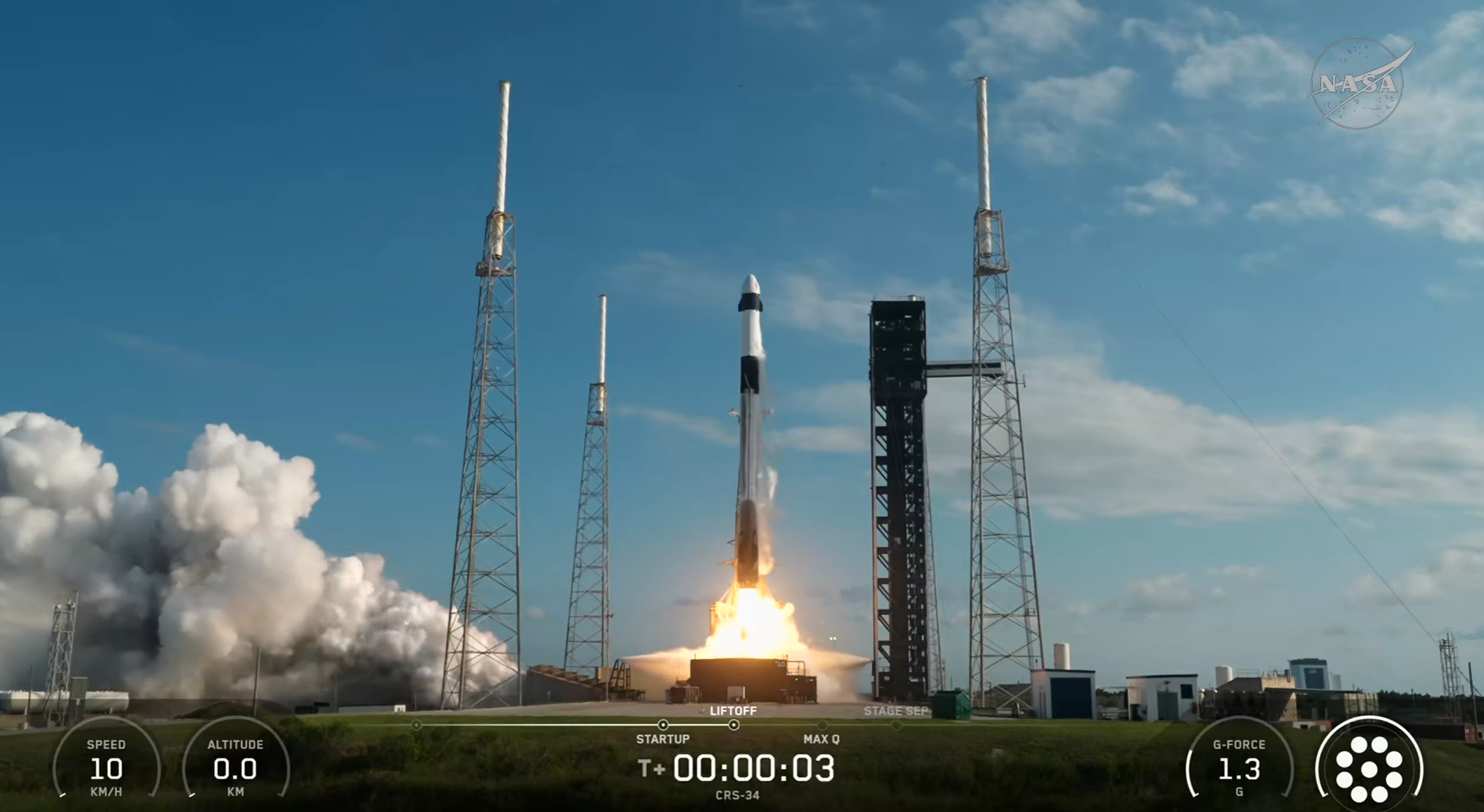
The CRS-34 mission got off to a slightly rocky start when SpaceX and NASA announced a 24-hour postponement in the days leading up to the planned liftoff. The reasons behind that delay were not extensively detailed in official communications, but the launch campaign resumed on schedule afterward. On Friday, May 15, 2026, at 6:05 p.m. EDT — 2205 UTC — a Falcon 9 rocket rose from Space Launch Complex 40 at Cape Canaveral Space Force Station in Florida, carrying a Cargo Dragon capsule into orbit without any reported anomalies.
The flight operates under NASA's Commercial Resupply Services contract, a long-running arrangement that has made SpaceX the backbone of low-Earth orbit logistics for the agency. True to the company's reusability philosophy, the Cargo Dragon vehicle used for this mission had already completed previous flights before being refurbished and cleared for another run to the station.
A full load of science and supplies
The Cargo Dragon departed Earth with approximately 6,500 pounds of cargo on board — close to 2,950 kilograms. The manifest includes crew provisions, hardware, and a collection of new scientific experiments that astronauts aboard the ISS will conduct over the coming weeks. NASA had not released a full breakdown of the science payload at the time of publication, though the agency confirmed the experiments span multiple research disciplines that benefit from the station's microgravity environment.
The ISS was already hosting Roscosmos's Progress MS-34 cargo spacecraft, which had docked to the station roughly two weeks before CRS-34's arrival window — a reminder that the orbital outpost operates on a near-continuous cycle of resupply rotations from multiple international partners.
Routine in name, essential in practice
Thirty-four commercial resupply missions into this partnership, SpaceX's Cargo Dragon flights have become a well-established feature of ISS operations. That familiarity, however, should not obscure what is at stake with each individual flight: on-orbit research programs depend directly on the regularity of these deliveries for their continuity and relevance.
Northrop Grumman's Cygnus spacecraft also serves the station under a parallel NASA resupply contract, but SpaceX handles the larger share of cargo volume. As broader discussions continue about the station's future beyond 2030 — including the eventual transition to commercially operated platforms — missions like CRS-34 remain the logistical foundation on which any sustained human presence in low-Earth orbit depends. An official docking date for the Dragon had not been confirmed at the time this article was published.