Thirty years of one image at a time
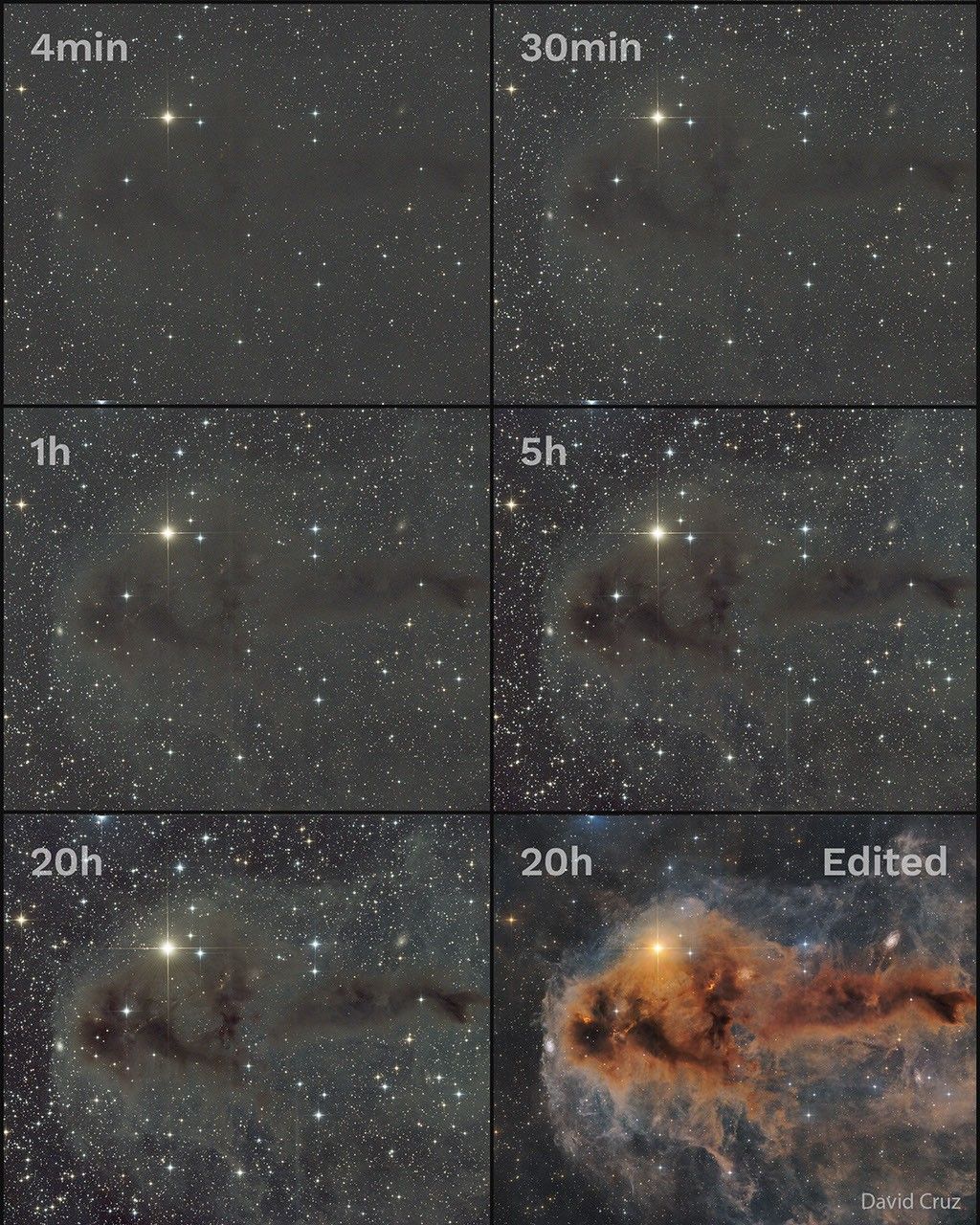
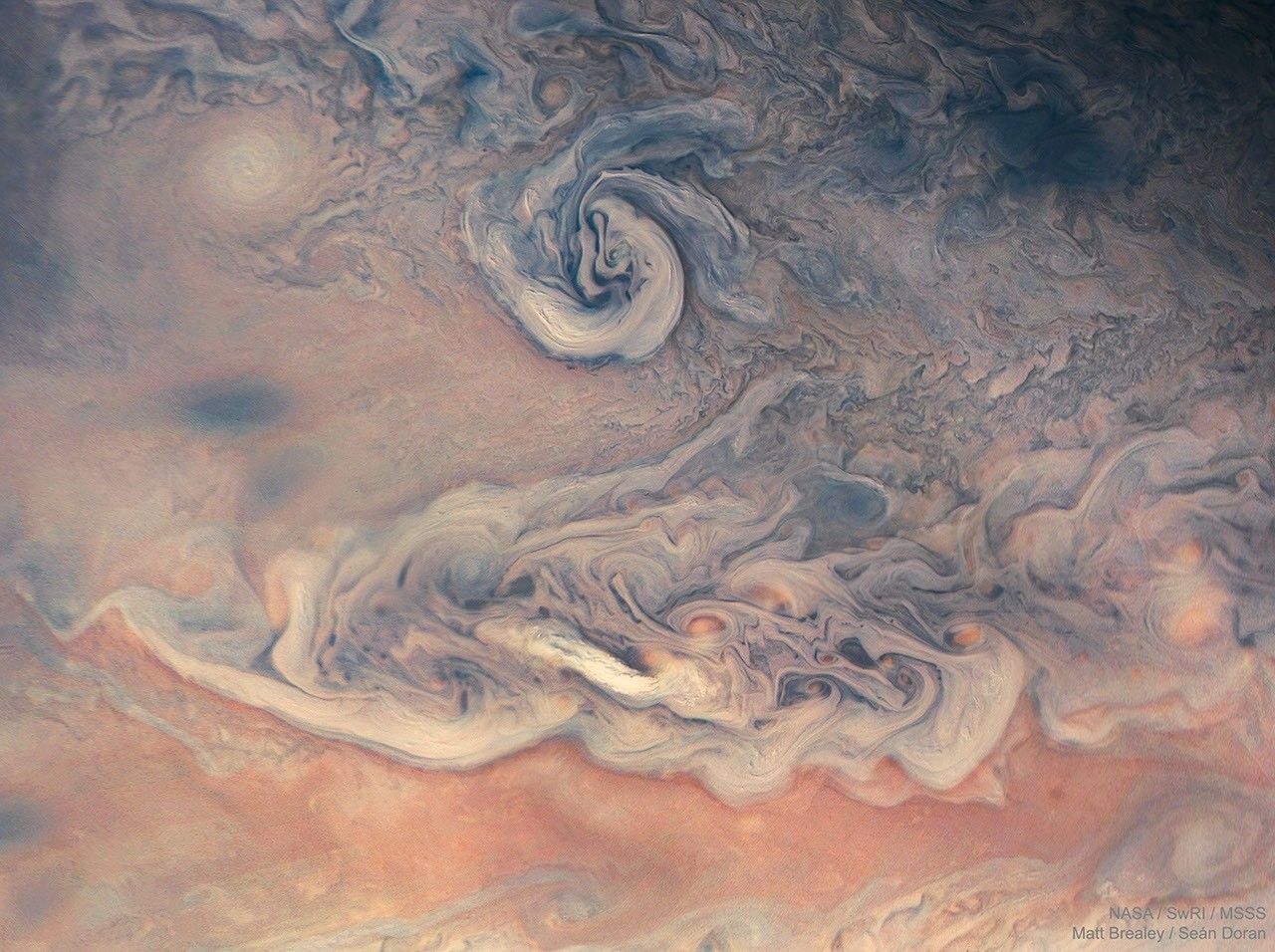
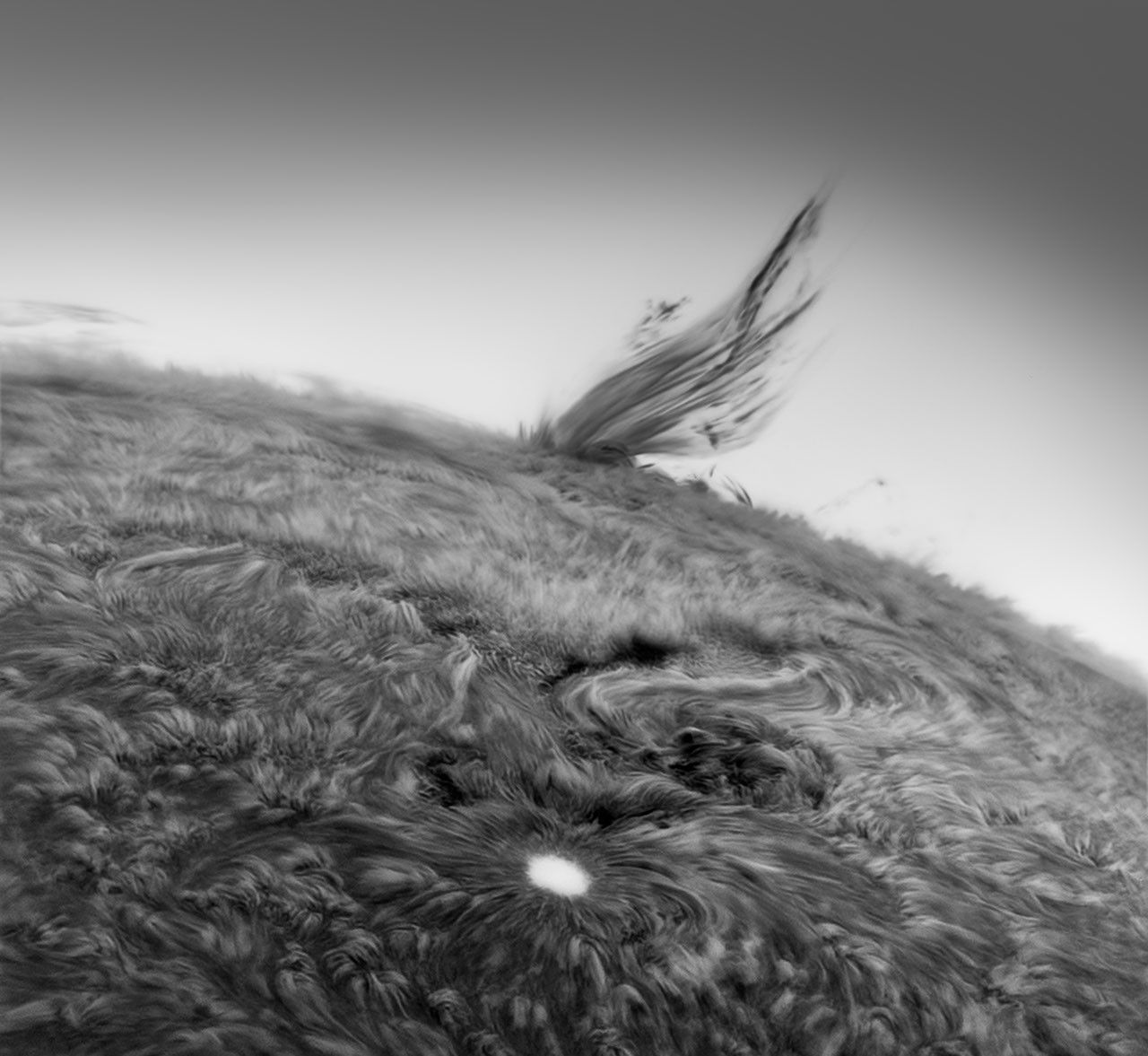
Few science communication projects have matched the longevity or reach of NASA's Astronomy Picture of the Day. Running continuously since 1995, the program publishes a single astronomical image each day alongside a concise explanation written by a professional astronomer. No subscription, no algorithm deciding what you see next — just one carefully chosen photograph or visualization, and the science behind it. Over three days in mid-October 2026, the APOD selection captured something of the program's full breadth: a relic of a landmark European mission, a piece of orbital infrastructure visible to the naked eye, and a reminder of what urban light pollution has quietly erased from our skies.
The staying power of APOD is worth pausing on. In an era of relentless image streams from missions like the James Webb Space Telescope and commercial imaging operators, the program's deliberate pace — one image, one day — functions almost as a counterweight. It asks viewers to slow down rather than scroll past.
Comet 67P in depth: keeping Rosetta's legacy alive
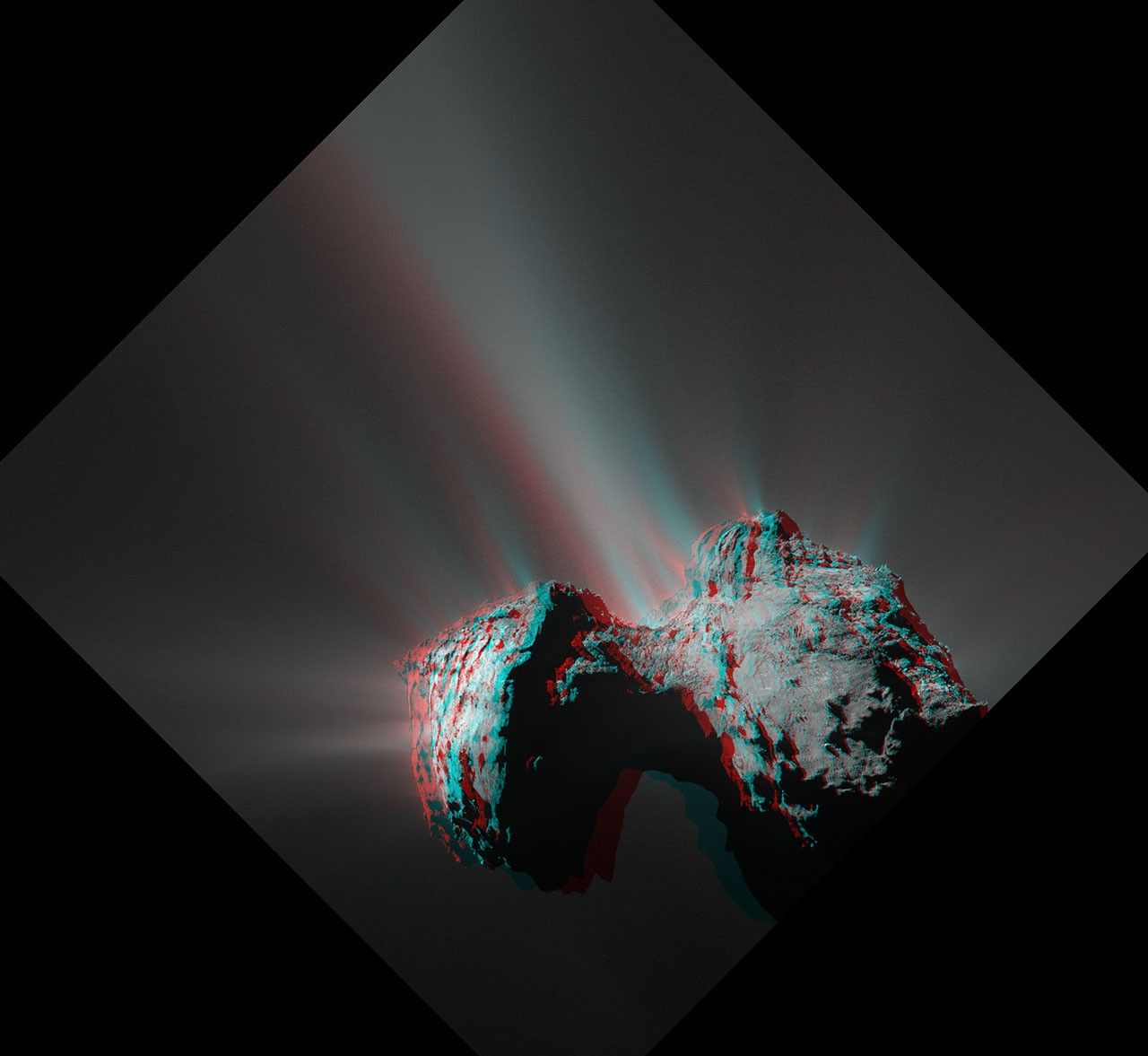
On October 17, the featured image was a stereoscopic rendering of the nucleus of comet 67P/Churyumov-Gerasimenko — the target of the European Space Agency's Rosetta mission, which spent over two years escorting the comet between 2014 and 2016. The mission's Philae lander achieved the first controlled touchdown on a cometary nucleus, transmitting data from a surface shaped by billions of years of solar system history. The 3D visualization highlighted the comet's distinctive bilobed structure, with its cliffs, dust-covered plains, and irregular terrain that challenged engineers and scientists alike.
What the APOD selection does effectively here is extend the scientific conversation well beyond a mission's operational lifetime. Rosetta ended a decade ago, but images like this keep the questions it raised — about the primordial composition of the solar system, about volatiles delivered to the early Earth — in public view.
The ISS overhead, and a galaxy hiding behind city lights
The October 16 image featured the International Space Station photographed during one of its visible passes over a ground observer. Traveling at roughly 28,000 kilometers per hour and completing an orbit approximately every 90 minutes at an altitude near 400 kilometers, the ISS is one of the few pieces of space infrastructure that amateur photographers can routinely capture with basic equipment. This kind of image occupies a specific niche in astronomical outreach: it makes the human presence in low Earth orbit tangible to anyone willing to look up at the right moment.
A day earlier, on October 15, the selection had placed the Milky Way above the Manhattan skyline. Whether composite or long-exposure, this type of photograph carries an implicit argument about light pollution. For most city dwellers worldwide, the galactic plane is no longer visible with the unaided eye — a loss that is increasingly framed not just as an aesthetic inconvenience but as an environmental issue, with measurable effects on nocturnal ecosystems and human health.
Simplicity as a communication strategy
Taken together, these three images reflect a model of science communication that resists the pressure to always go bigger, faster, or more immersive. APOD operates without video, without interactivity, without personalization. Its archive now spans more than three decades and tens of thousands of images contributed by astronomers, astrophotographers, and space agencies from around the world — including NASA, ESA, JAXA, and many others. Whether that model remains sustainable in a media environment built around engagement metrics is an open question. But its persistence suggests there remains a genuine appetite for science delivered with patience and precision.