Fresh oranges at 400 kilometres altitude
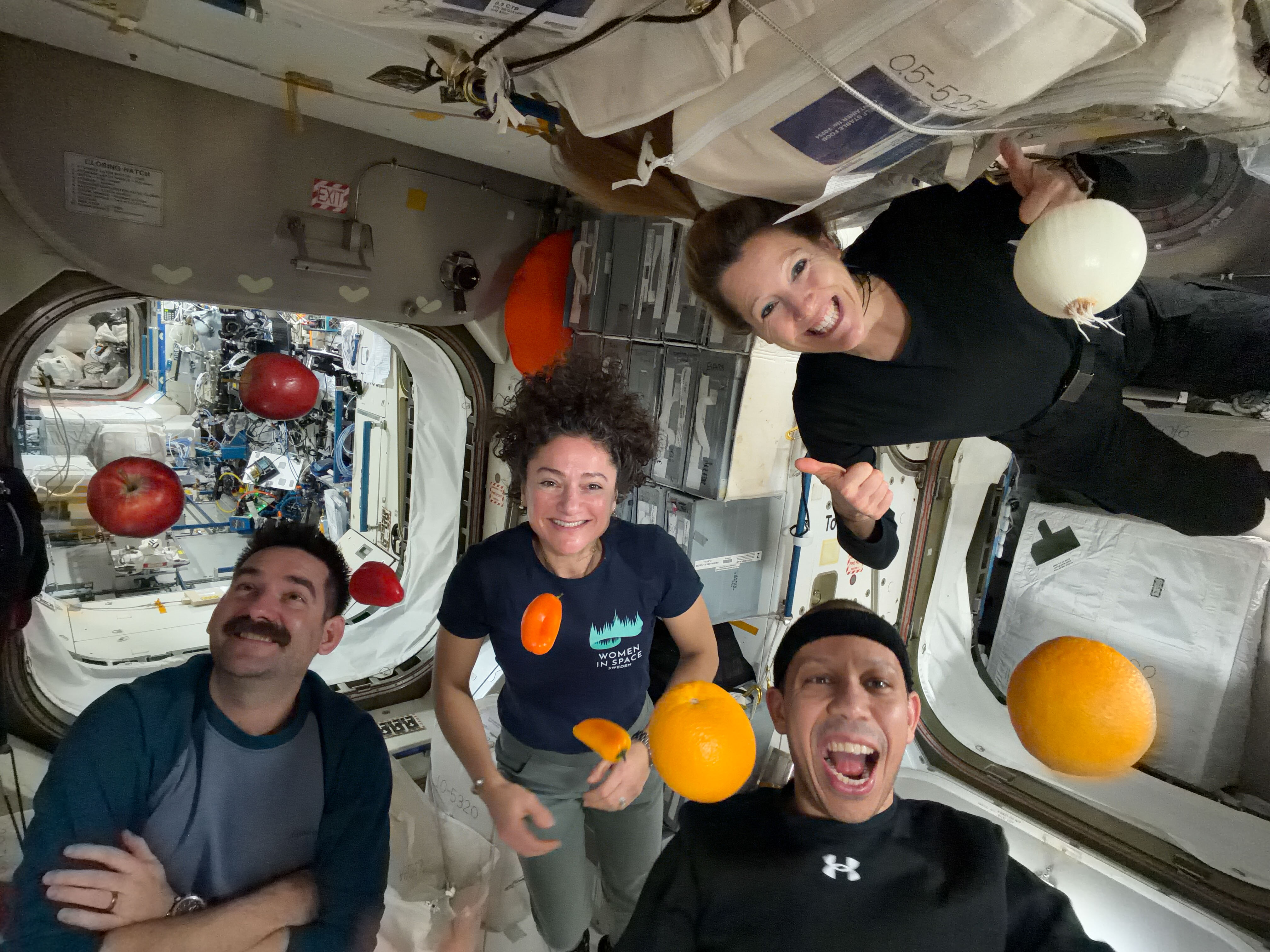
On April 19, 2026, NASA astronauts Jack Hathaway, Jessica Meir, and Chris Williams, along with ESA astronaut Sophie Adenot, were photographed floating with their freshly delivered provisions aboard the International Space Station. The culprit behind the impromptu zero-gravity fruit display: Northrop Grumman's Cygnus XL cargo vehicle, which had just docked with a haul that included oranges, apples, onions, and other perishables alongside the more conventional mix of spare parts and equipment.
The image captured something that mission manifests rarely convey — the human side of orbital logistics. Fresh produce aboard the ISS is not a luxury; nutritional research conducted on long-duration missions has consistently linked access to fresh fruits and vegetables to better immune function and sustained crew morale under the physiological and psychological strain of spaceflight.
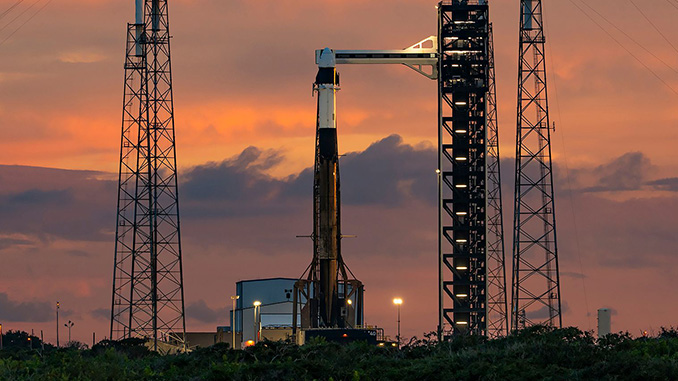
Within weeks of the Cygnus arrival, SpaceX was preparing to add to the station's supplies. The company's 34th mission under NASA's Commercial Resupply Services 2 (CRS-2) contract was readied for liftoff on a Falcon 9 rocket from Launch Complex 40 at Cape Canaveral Space Force Station in Florida, with a target liftoff time of 7:16 p.m. EDT (2316 UTC). The Cargo Dragon capsule was loaded with approximately 6,500 pounds — roughly 2,950 kilograms — of science hardware and general station supplies.
What goes up, and what stays aboard
The full scientific manifest for the SpaceX CRS-34 mission had not been publicly disclosed ahead of launch, as is standard practice before berthing. NASA typically releases a detailed breakdown of experiments once the capsule has successfully docked with the station. What is known is that CRS missions at this stage of the contract cycle tend to carry a broad spectrum of payloads: biological research samples, materials science experiments, fluid physics investigations, and Earth observation hardware, among others.
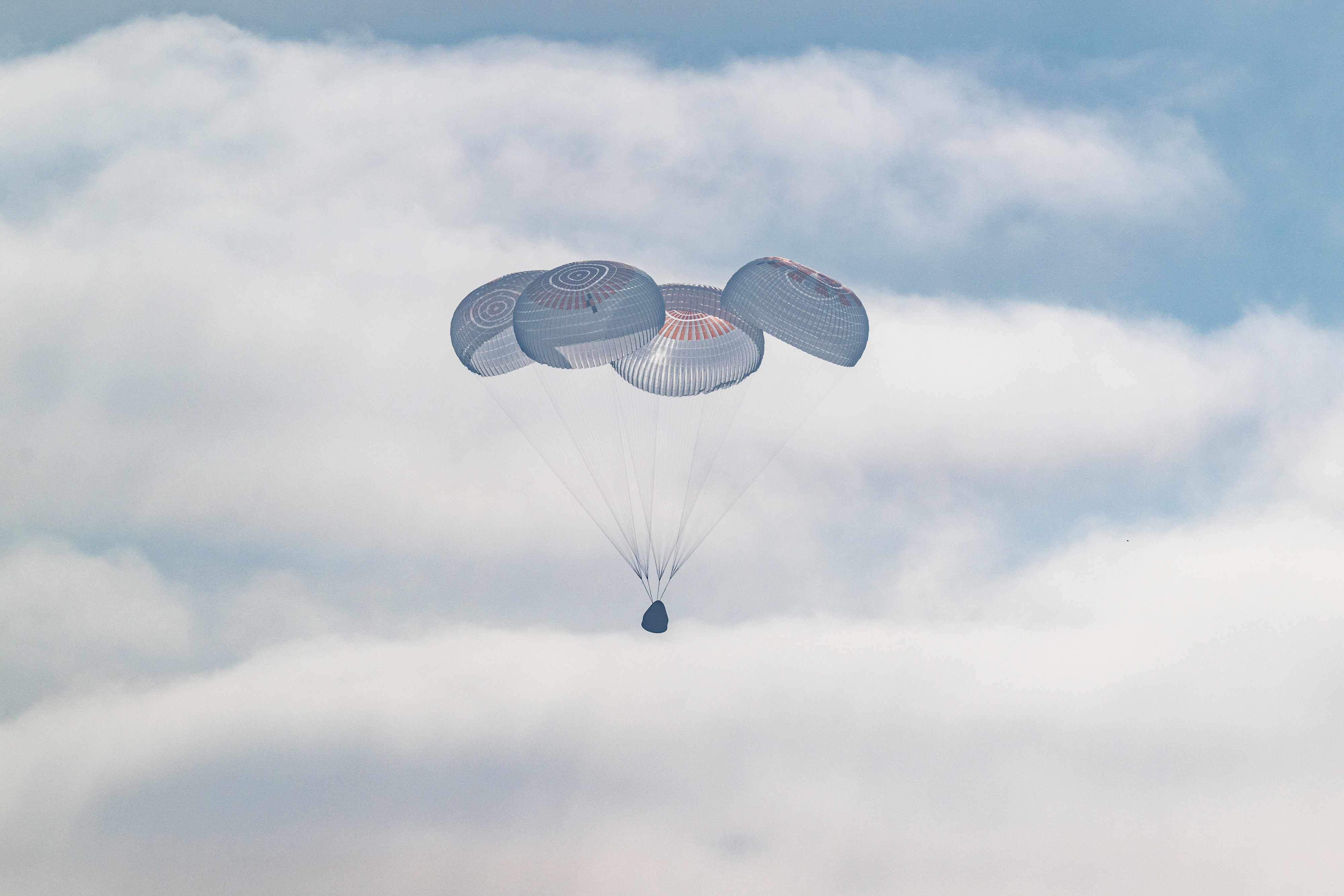
The two vehicles represent contrasting engineering philosophies within the same programmatic framework. SpaceX's Dragon is recoverable — it splashes down in the Atlantic after undocking and can be refurbished for future flights. Northrop Grumman's Cygnus is expendable: once it departs the ISS, it is loaded with station waste and directed toward a destructive reentry over the Pacific Ocean. Both approaches serve the mission, and NASA has structured CRS-2 to benefit from both.
Routine as a measure of success
The 34th Dragon mission under a single NASA contract is, in its own way, a significant milestone — not because of any particular technical achievement, but because of what the number represents. Operational regularity at this scale, sustained over years, was not guaranteed when NASA first turned to commercial providers to replace the Space Shuttle's cargo role after 2011.
With the ISS currently scheduled for deorbit around 2030 — a timeline subject to ongoing negotiations among international partners — the question of who will service the next generation of commercial low Earth orbit stations is already shaping business strategies across the industry. SpaceX, Northrop Grumman, and emerging contenders are all aware that the infrastructure being built today, in terms of vehicles, ground systems, and operational know-how, will define who holds the resupply contracts when the next chapter of human spaceflight begins.