Life on orbit depends on steady logistics
Running a crewed outpost in low Earth orbit requires far more than cutting-edge science experiments. It demands a reliable, uninterrupted flow of food, equipment, and consumables — managed from the ground through a network of commercial partnerships that NASA has spent more than a decade carefully building. May 2026 offered a clear snapshot of that system in action.
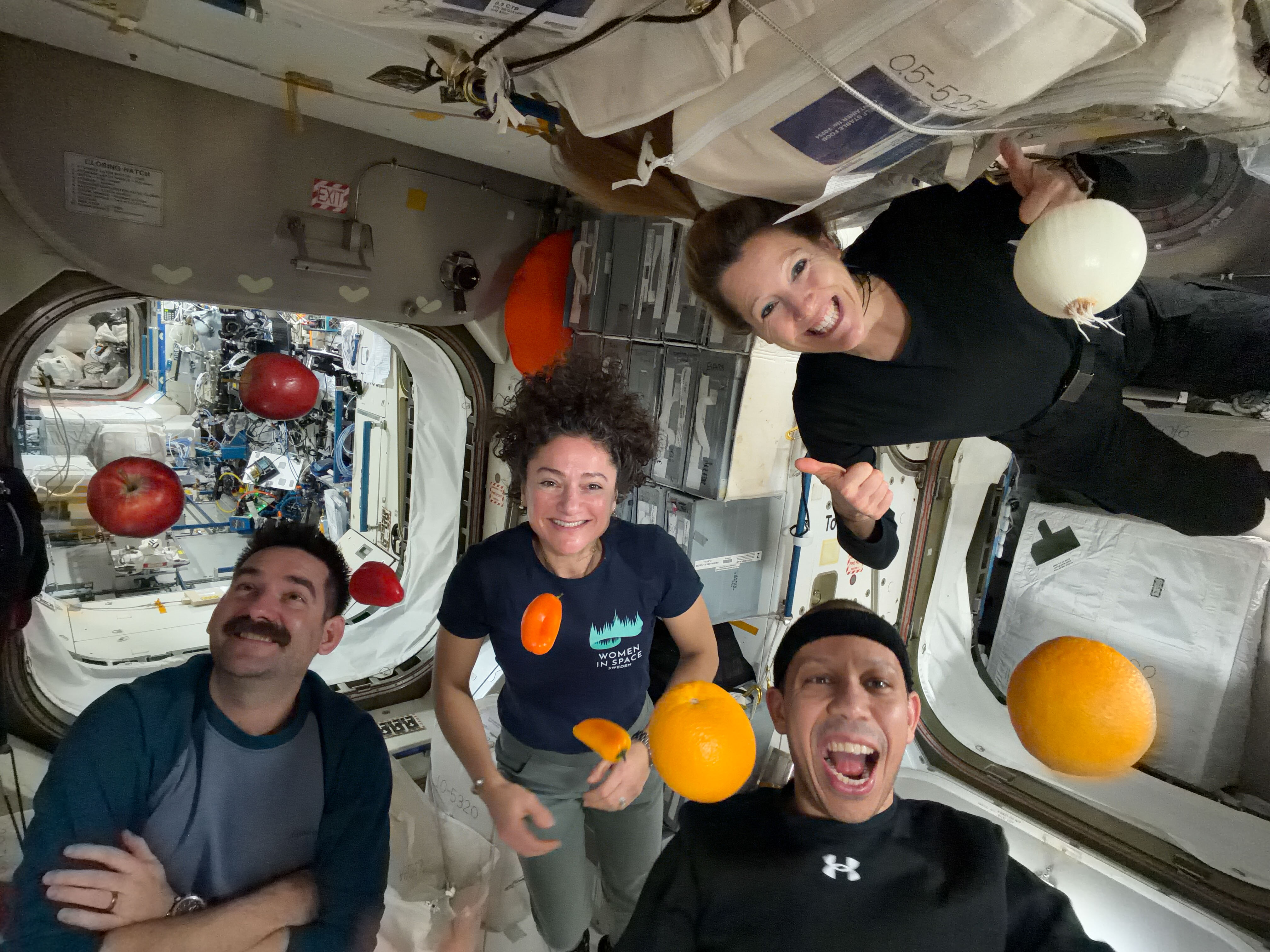
Northrop Grumman's Cygnus XL cargo spacecraft recently delivered a fresh food shipment to the International Space Station, including oranges, apples, and onions. A photograph released on May 14, 2026 captured NASA astronauts Jack Hathaway, Jessica Meir, and Chris Williams, alongside ESA astronaut Sophie Adenot, making the most of microgravity with their newly arrived produce. The lighthearted image carries a serious undertone: access to fresh food is well-documented as a meaningful factor in crew morale and physical wellbeing during extended stays in orbit.
SpaceX Dragon CRS-34: 6,500 pounds bound for the station
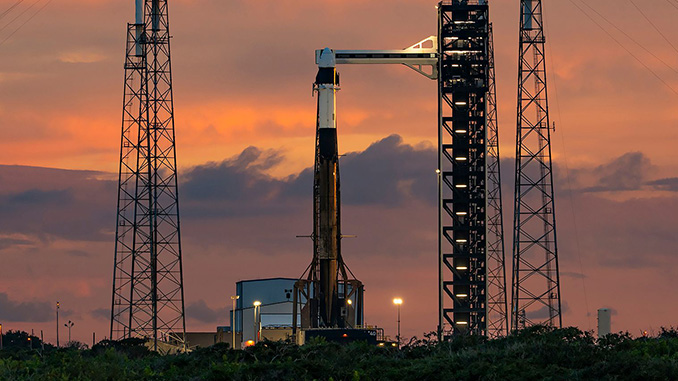
With Cygnus already at the station, SpaceX was preparing to launch its 34th resupply mission under NASA's Commercial Resupply Services 2 contract. Liftoff of the Falcon 9 rocket from Launch Complex 40 at Cape Canaveral Space Force Station was scheduled for 7:16 p.m. EDT (2316 UTC). The Dragon capsule was set to carry approximately 6,500 pounds of cargo — a mix of scientific hardware, maintenance supplies, and crew provisions.
The CRS-34 mission represents another chapter in a partnership that has fundamentally reshaped American orbital logistics since the Space Shuttle retired in 2011. What began as an experiment in commercial contracting has matured into a dependable rotation cycle, with Dragon serving as a workhorse that the agency can count on with a degree of predictability previously reserved for government-operated systems.
Two vehicles, two roles, one mission
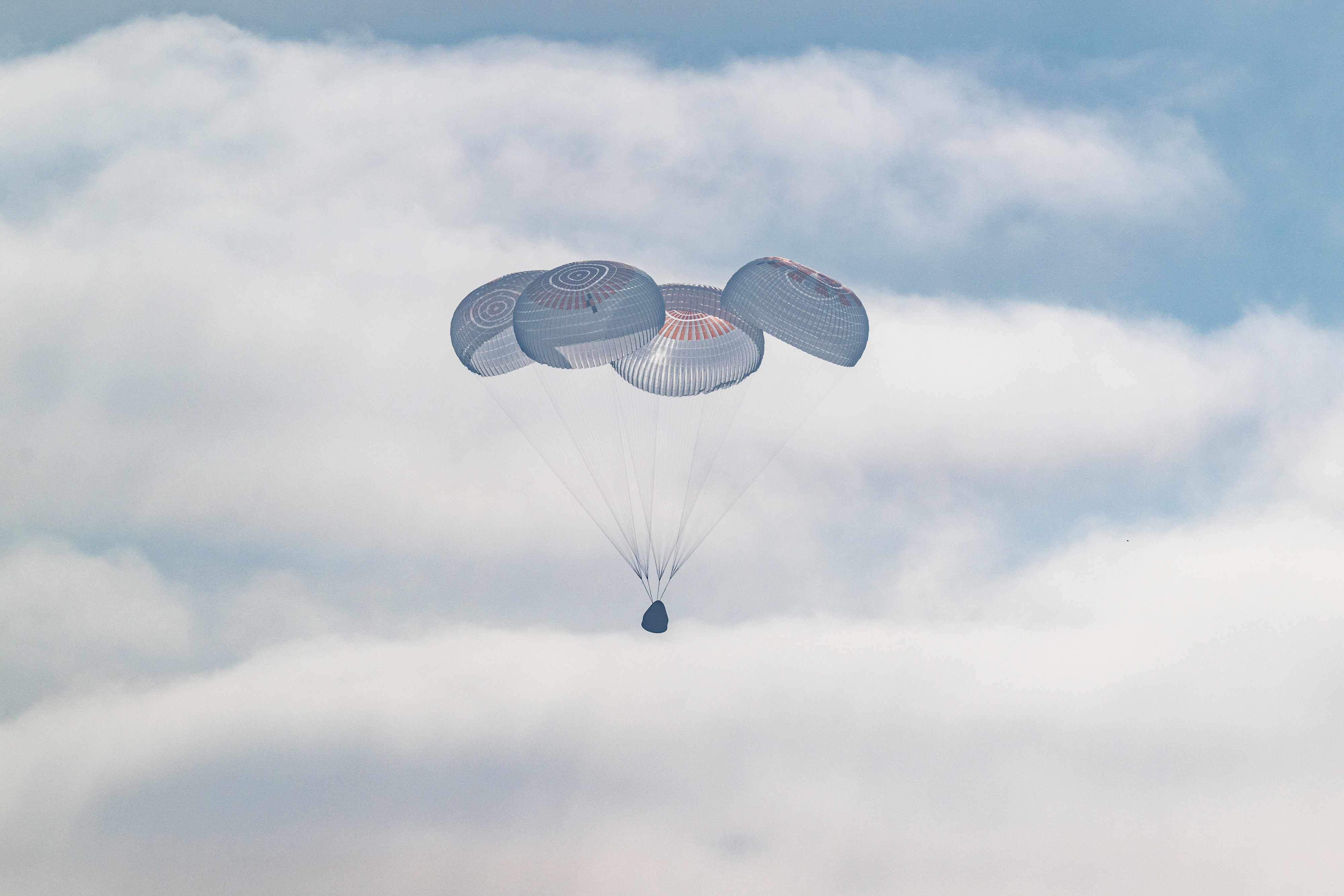
What makes the current resupply architecture particularly effective is the functional difference between the two vehicles. Cygnus is a one-way freighter: it arrives loaded, offloads its cargo, and is eventually deorbited to burn up over the ocean. That makes it well-suited for bulk consumables and waste disposal. Dragon, by contrast, is a round-trip vehicle. It can return to Earth carrying science samples, experiment results, and equipment requiring ground-based analysis — a capability that Cygnus simply cannot offer.
This complementarity gives NASA operational flexibility that a single-vehicle strategy would not. As the agency looks ahead to an era when commercial space stations may gradually take over from the ISS, these routine resupply rotations serve as a quiet reminder of how normalized low Earth orbit access has become — not through spectacle, but through consistency.