SXM-11: A Heavyweight Satellite to Refresh SiriusXM's Fleet
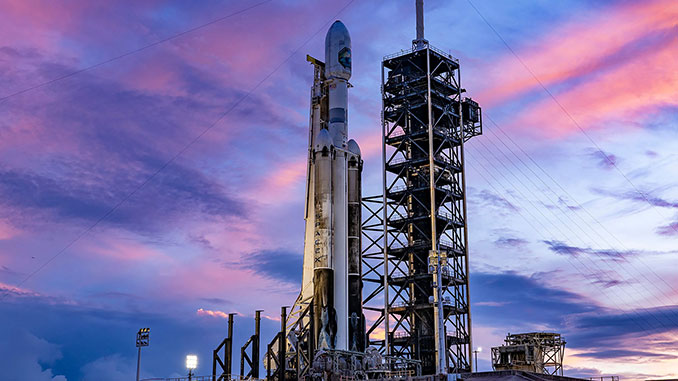
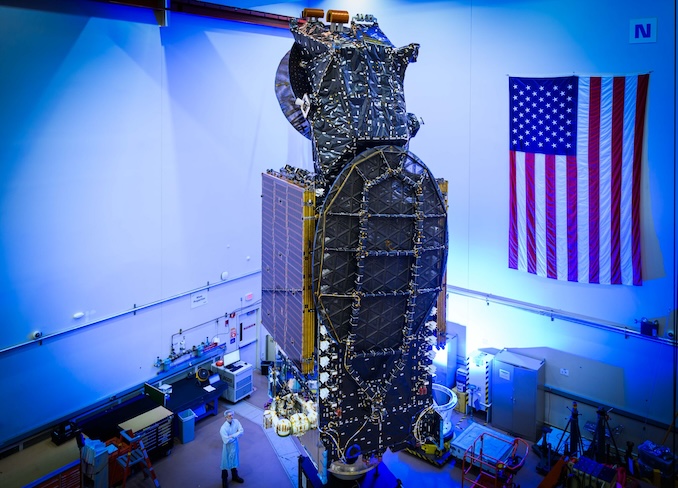
The SXM-11 satellite, manufactured by Houston-based Intuitive Machines, was set to lift off from Space Launch Complex 40 at Cape Canaveral Space Force Station in Florida. The launch window opened at 10:25 p.m. EDT, or 02:25 UTC. Tipping the scales at roughly 7.5 metric tons and stretching over 70 meters in height with solar arrays deployed, SXM-11 ranks among the largest commercial payloads ever carried by a Falcon 9.
The mission is part of a broader effort by SiriusXM to modernize its geostationary broadcast constellation, which delivers subscription radio services to tens of millions of vehicles across North America. The choice of Intuitive Machines as the satellite manufacturer is notable: the company is better known for its lunar landers built under NASA's Commercial Lunar Payload Services program, making this contract a meaningful step toward diversifying into geostationary platform production.
The Falcon 9 booster assigned to this mission was flying a geostationary transfer orbit profile — one of the more demanding trajectories in the rocket's repertoire. Whether SpaceX planned a first-stage landing attempt had not been confirmed at the time this article was written.
Vandenberg on Deck: Another 24 Starlinks Headed to LEO
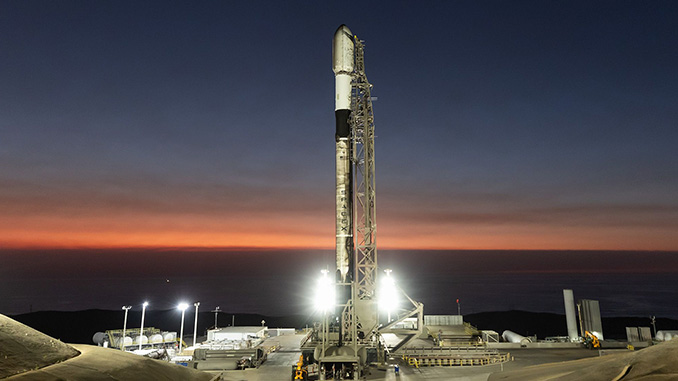
Earlier in the same weekend, SpaceX was preparing to launch the Starlink 17-40 mission from Space Launch Complex 4E at Vandenberg Space Force Base in California. Liftoff was scheduled for 7:36 a.m. PDT, translating to 14:36 UTC. The flight would deploy 24 additional broadband satellites into SpaceX's low Earth orbit constellation, which now counts more than 7,000 operational spacecraft.
Starlink 17-40 is another routine entry in a deployment cadence SpaceX has sustained since 2019. Dozens of dedicated Starlink missions fly each year, steadily expanding the network's capacity and coverage while widening SpaceX's lead over rivals such as Amazon Kuiper and OneWeb — the latter now operating under the Eutelsat umbrella following a corporate merger.
A Tempo That Is Reshaping the Industry
Programming two separate launches from opposite coasts over a single weekend speaks to an operational tempo that few organizations anywhere in the world could attempt. SpaceX is simultaneously serving established commercial broadcast operators with multi-ton payloads and continuously feeding its own proprietary constellation — all using the same family of reusable rockets, ground crews, and recovery infrastructure.
For industry analysts, the central question is no longer whether SpaceX can sustain this pace, but what it means for global competition. Arianespace, still ramping up Ariane 6 flights, and Rocket Lab, with its Neutron vehicle still in development, are each working to carve out defensible positions in a market increasingly shaped by one dominant provider's extraordinary throughput.