A milestone that speaks for itself
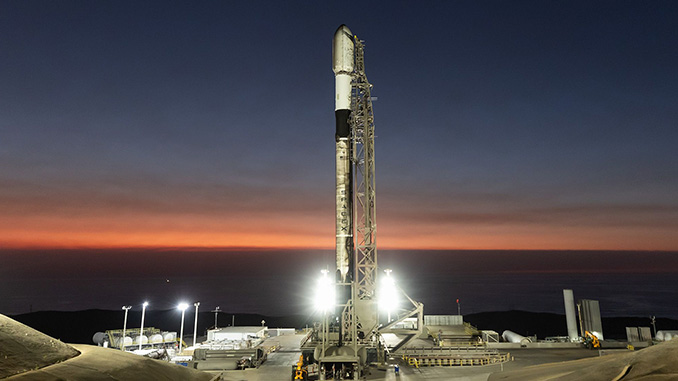
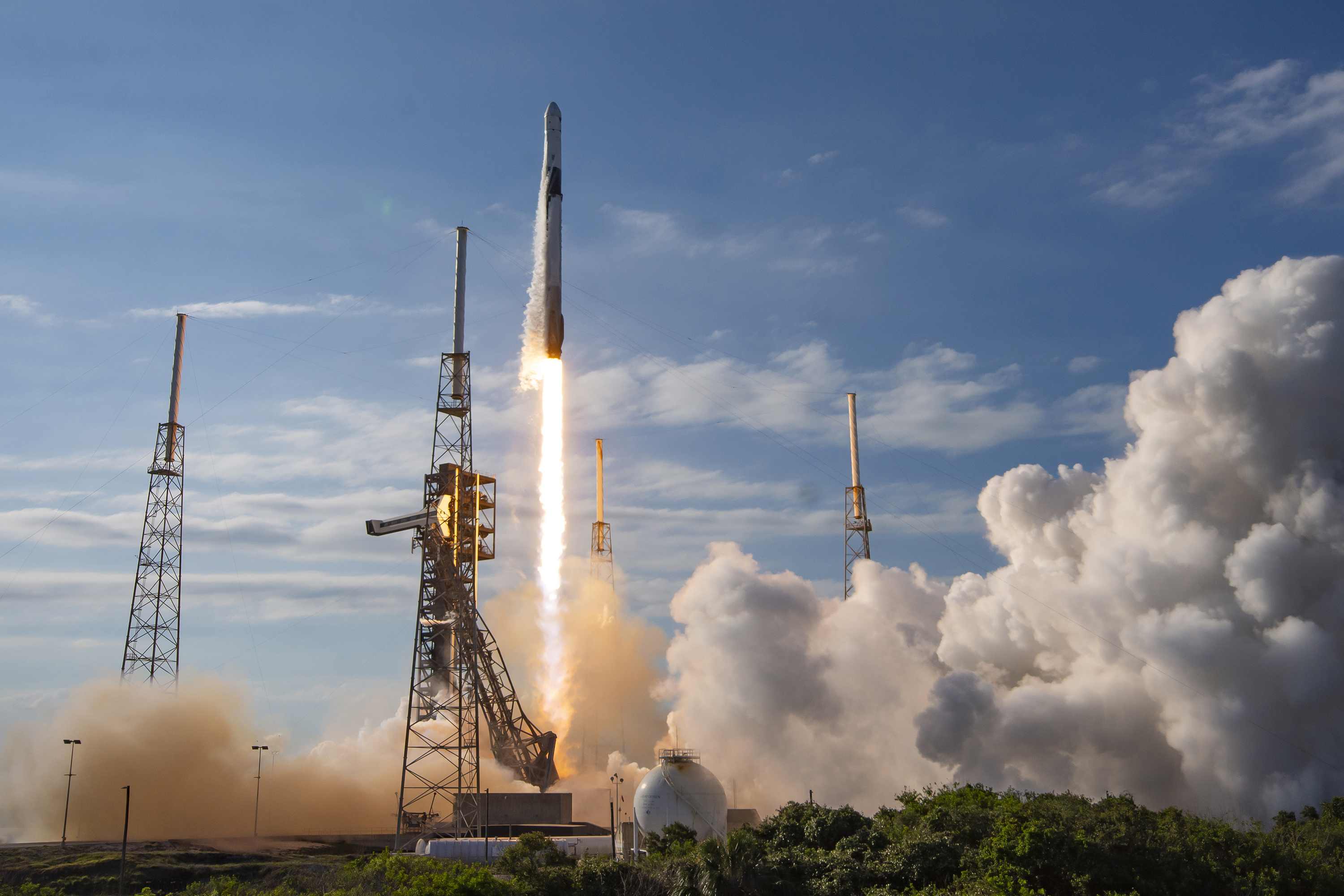
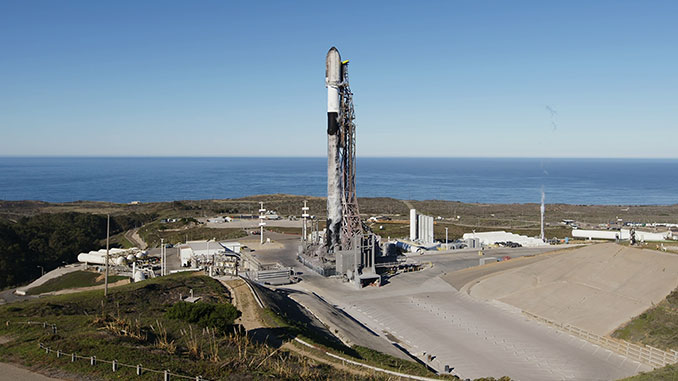
On May 24, 2026, SpaceX quietly crossed its sixtieth orbital launch of the year. The mission, designated Starlink 10-47, lifted off from pad 40 at Cape Canaveral Space Force Station at 7:41 a.m. EDT, carrying 29 satellites bound for the low-Earth orbit shell of the Starlink network. That tally included one Falcon Heavy flight earlier in the year and 59 Falcon 9 missions. Two days later, on May 26, another Falcon 9 rose from pad 4E at Vandenberg Space Force Base in California at 7:50 a.m. PDT. The Starlink 17-37 mission added 24 more satellites to the constellation, and marked the sixtieth Falcon 9 specifically to fly in 2026.
To put that figure in context: sixty orbital launches in roughly 145 days works out to more than four flights per week on average. No other launch provider — not Arianespace, Roscosmos, CNSA, Rocket Lab, or any other — is operating anywhere near that rhythm over the same window.
Four Starlink flights in one week, and that's routine now
The week of May 25 was emblematic of how the global launch manifest has been reshaped. Six orbital launches were expected worldwide in those seven days, with four of them being dedicated Falcon 9 Starlink missions. What would have been front-page news in 2020 now barely registers as unusual. Among the other launches scheduled that week was a low-Earth orbit mission carrying Amazon Kuiper satellites — a concrete sign that competition in the broadband constellation market is no longer theoretical.
The engine behind SpaceX's cadence is well understood: booster reusability. Each recovered first stage that returns to the pad cuts turnaround time and marginal costs, allowing the company to keep multiple vehicles cycling simultaneously between its two primary launch sites on opposite coasts. Some Falcon 9 boosters have now flown well into the double digits in terms of individual flight count.
Dominance that won't go unchallenged forever
SpaceX's grip on the commercial launch market is, by any measure, extraordinary right now. But the competitive landscape is shifting. Amazon has begun placing Kuiper satellites in orbit and intends to scale rapidly. Europe's IRIS² broadband constellation is advancing through its development phase. China's CNSA continues to expand its own low-orbit connectivity programs. The operational and technological lead that SpaceX currently holds is substantial, but it exists within an industry that is moving faster than at any previous point in its history.
With more than five months remaining in 2026, SpaceX is well on track to surpass its own annual launch record by a significant margin. The more interesting question at this point may not be whether the pace is sustainable, but what number it eventually reaches by December 31.