Dragon heads to the station with 6,500 pounds of cargo
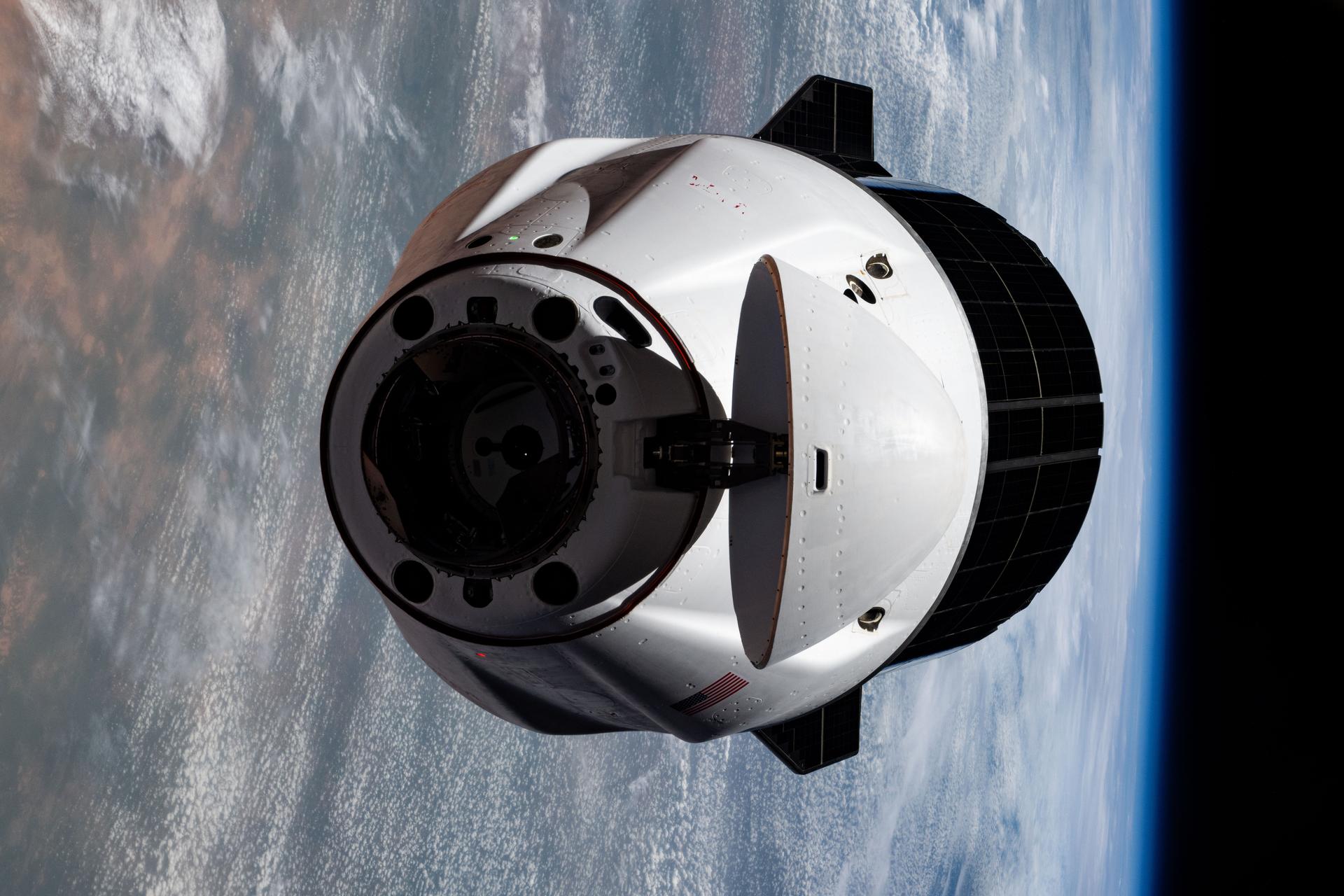
NASA and SpaceX have confirmed May 12, 2026 at 7:16 p.m. EDT as the target launch time for the 34th commercial resupply mission to the International Space Station. A Dragon capsule will carry approximately 6,500 pounds of supplies, scientific hardware, and crew provisions to the orbiting laboratory, continuing a logistics partnership that stretches back well over a decade.
The mission falls under NASA's Commercial Resupply Services program, through which the agency has outsourced station logistics to private operators since the Space Shuttle's retirement. SpaceX has emerged as the dominant contractor under this arrangement, and CRS-34 marks another routine — though technically demanding — chapter in that relationship.
Among the cargo are scientific experiments designed to exploit the microgravity environment aboard the ISS, spanning fields such as cellular biology and advanced materials research. The full manifest of experiments had not been publicly disclosed in detail at the time of publication.
Starlink 17-29: the 44th dedicated mission of 2026
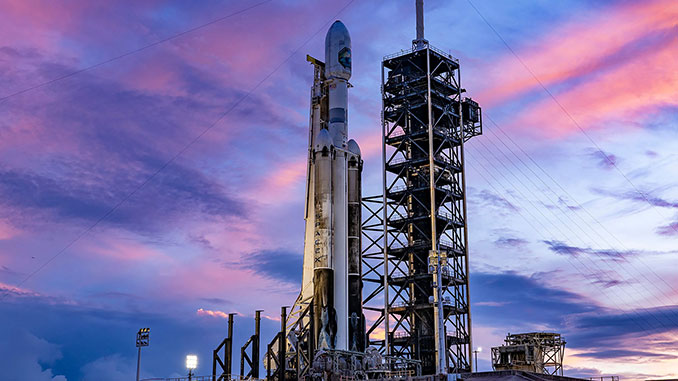
Just days before the Dragon launch, SpaceX was already preparing another Falcon 9 liftoff, this time from Space Launch Complex 4E at Vandenberg Space Force Base in California. The Starlink 17-29 mission, scheduled for 10:35 p.m. EDT on May 5, aimed to send 24 more broadband satellites into low Earth orbit.
That single flight carried a notable distinction: it represented the 44th dedicated Starlink launch of the year so far. The pace implies multiple missions per week during peak periods, feeding a constellation that now numbers in the thousands of active satellites and continues to expand to improve global coverage and network throughput.
As with virtually every Falcon 9 flight of this type, the first-stage booster was expected to land autonomously on a drone ship positioned in the Pacific Ocean — a recovery procedure so well-rehearsed it barely registers as newsworthy, despite remaining one of the more sophisticated feats in operational rocketry.
Two programs, one machine
The near-simultaneous scheduling of a NASA institutional resupply and a proprietary commercial deployment underscores something fundamental about how SpaceX operates. The company services government contracts at one end of the manifest while running its own constellation business at the other, sharing infrastructure, launch pads, and engineering resources across both.
Few competitors can match that combination. Rocket Lab has carved out a niche in small-satellite launch; Arianespace continues to serve institutional clients in Europe; and ISRO is expanding its commercial offerings through NewSpace India Limited. But none currently operates at the sheer volume SpaceX has normalized.
The more pressing question for the industry is no longer whether this tempo is sustainable — SpaceX has answered that empirically — but what it means for pricing, market access, and the long-term structure of the launch sector as the bar for operational readiness keeps rising.