East Coast, West Coast, Same Relentless Tempo
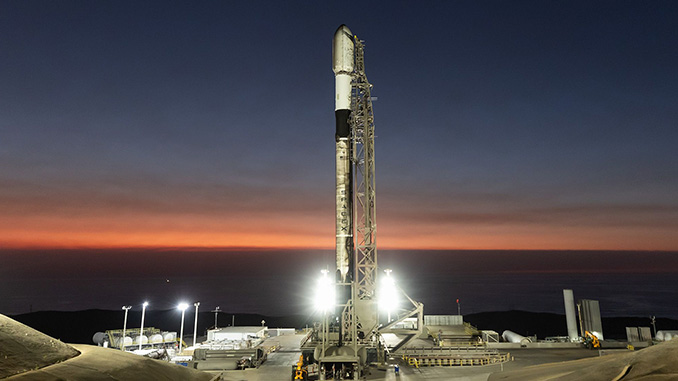
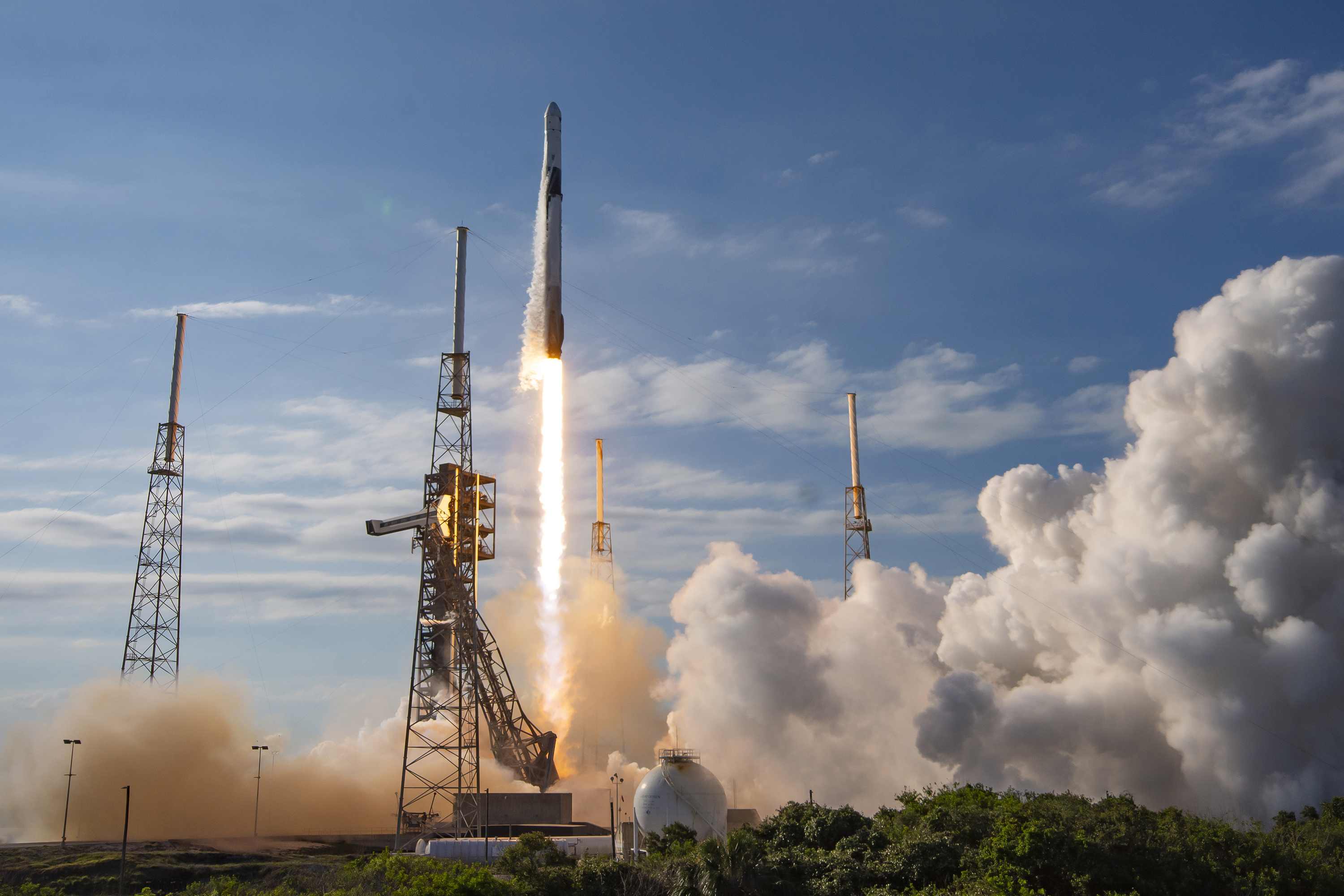
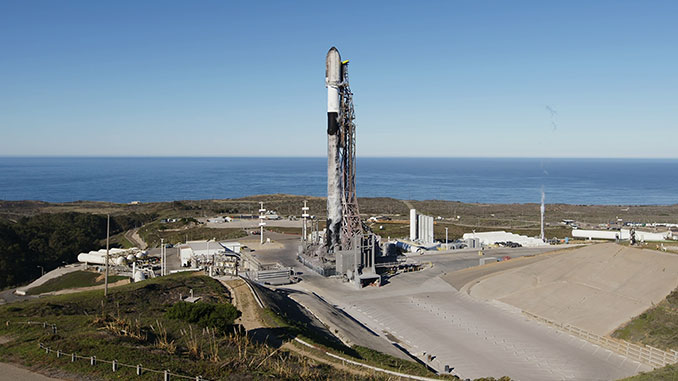
On May 24, 2026, a Falcon 9 lifted off from Launch Complex 40 at Cape Canaveral Space Force Station in Florida, carrying 29 Starlink satellites as part of the Starlink 10-47 mission. The launch window opened at 7:41 a.m. EDT. Less than 48 hours later, on May 26, another Falcon 9 rose from Space Launch Complex 4E at Vandenberg Space Force Base in California, this time with 24 Starlink satellites aboard the Starlink 17-37 mission, targeting liftoff at 7:50 a.m. PDT.
Neither mission is unusual by SpaceX standards — that is precisely the point. What sets this particular stretch apart is what the flight count reveals about how far the company has pushed routine launch operations in a single calendar year.
Sixty Orbital Flights Before Summer Even Arrives
Both missions were reported in proximity to SpaceX's 60th orbital flight of 2026, though the exact accounting differs slightly between the two dispatches — likely a reflection of how planned missions were tallied at the time of each report. What is clear is that SpaceX was crossing or approaching that threshold by late May, averaging roughly one launch every three days since January 1.
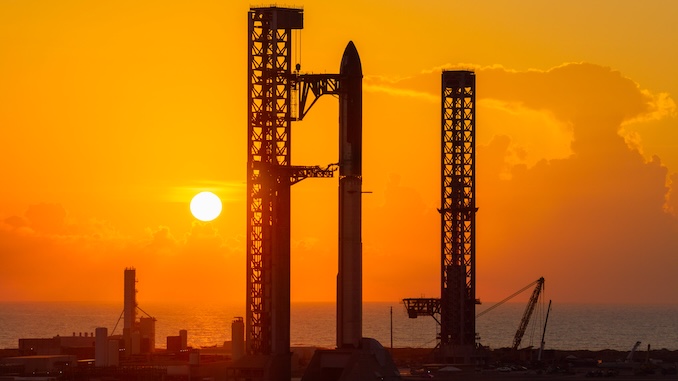
The fleet powering this cadence is anchored by the Falcon 9, with at least one Falcon Heavy flight also counted in the annual tally. The heavy-lift variant continues to handle high-energy payloads for government and commercial customers that require performance beyond the Falcon 9's reach. But it is the workhorse Falcon 9, with its reusable first-stage boosters, that underpins the sheer volume SpaceX now sustains.
Operating from two geographically separated launch sites is a deliberate strategic choice. Cape Canaveral serves orbital inclinations that favor equatorial and mid-latitude coverage, while Vandenberg allows access to polar and sun-synchronous orbits. Running both simultaneously removes scheduling bottlenecks that a single-site operation would inevitably face at this flight rate.
Starlink as Both the Cargo and the Engine
The Starlink constellation has grown to more than 7,000 active satellites in orbit by early 2026 estimates, making it by far the largest operational satellite network ever assembled. Each successive mission does not simply add capacity — it also cycles out older first-generation hardware in favor of upgraded satellites equipped with more capable inter-satellite laser links, which reduce dependence on ground stations for routing traffic.
SpaceX has repeatedly demonstrated that the economics of vertical integration — designing, building, launching, and operating the satellites and rockets under one roof — allow it to sustain a pace that no competitor currently replicates. Rocket Lab, which operates the Electron and is developing Neutron, and emerging players like Relativity Space, remain orders of magnitude below this launch frequency. Even established providers such as Arianespace or United Launch Alliance operate on entirely different timescales.
The longer-term question hovering over all of this is what happens when Starship reaches operational maturity. A single Starship mission is designed to deploy hundreds of satellites at once, which could compress the launch count required to maintain and expand the constellation dramatically. For now, however, the Falcon 9 production line shows no signs of slowing down.