Pad 4E rarely rests
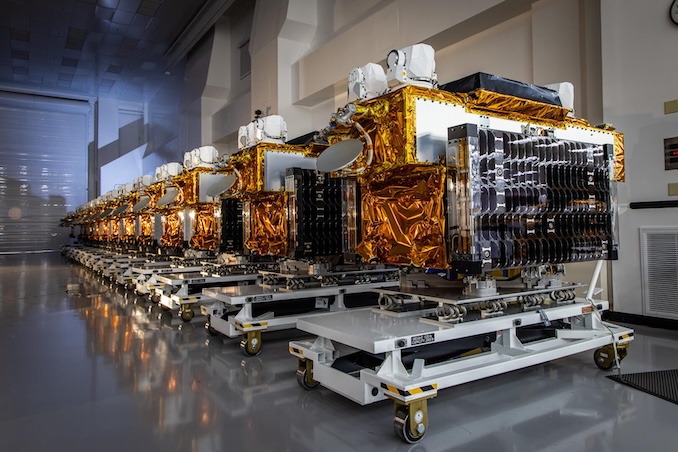
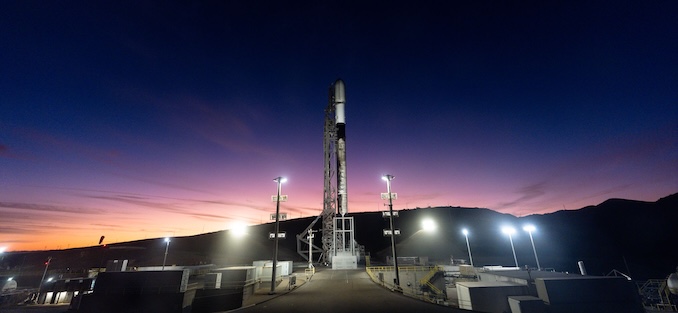
Launch pad 4E at Vandenberg Space Force Base in California has become one of the most consistently active orbital launch sites on Earth, and early May 2026 did nothing to change that reputation. On the evening of May 5, a Falcon 9 lifted off at 7:35 p.m. PDT — 02:35 UTC on May 6 — carrying 24 Starlink satellites into low Earth orbit. Designated Starlink 17-29, the mission was the 44th dedicated Starlink flight conducted by SpaceX since the start of the year, a figure that underscores just how relentlessly the company is building out and refreshing its broadband constellation.
Averaging roughly one Starlink-specific launch every three to four days across all its pads, SpaceX has turned satellite deployment into something closer to a logistics operation than an aerospace event.
South Korea's CAS500-2 leads a crowded rideshare
Just days earlier, in the early hours of May 3, Vandenberg hosted a markedly different kind of mission. A Falcon 9 lifted off just before midnight local time carrying 45 separate payloads, the most prominent among them being CAS500-2, a 500-kilogram Earth observation satellite developed by Korea Aerospace Industries (KAI). An upgraded follow-on to the original CAS500 launched in 2021, it was the first payload to separate from the rocket's upper stage, approximately one hour after liftoff.
Missions of this type, marketed by SpaceX under its Transporter rideshare program, give operators of all sizes — national space agencies, government bodies, and commercial startups alike — a practical route to orbit without bearing the cost of a dedicated vehicle. The inclusion of a South Korean government satellite reflects the increasingly international character of these flights.
A quieter interlude, or the calm before the storm?
Rounding out the early-May launch window was a Chinese Chang Zheng 7 rocket, adding an independent data point to what some observers described as a relatively measured stretch of activity — potentially a brief pause before a more demanding sequence ahead. That characterization, however, remains speculative at this stage, with no confirmed manifest details to support a specific surge in the near term.
What is well established is SpaceX's structural dominance of the small-to-medium payload market in low Earth orbit. The reusable Falcon 9 continues to attract both commercial and institutional customers from across the globe, with each rideshare mission demonstrating the economic case for shared access to space.
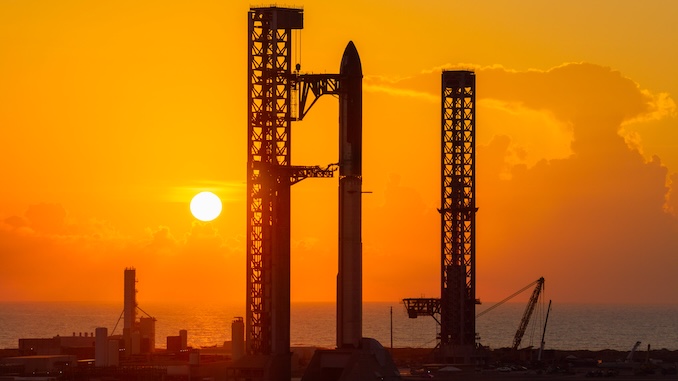
As 2026 progresses, the industry's attention is partly fixed on when — and how smoothly — Starship will begin absorbing some of the higher-capacity Starlink deployment missions. Until that transition becomes concrete, the Falcon 9 and pad 4E show no signs of slowing down.